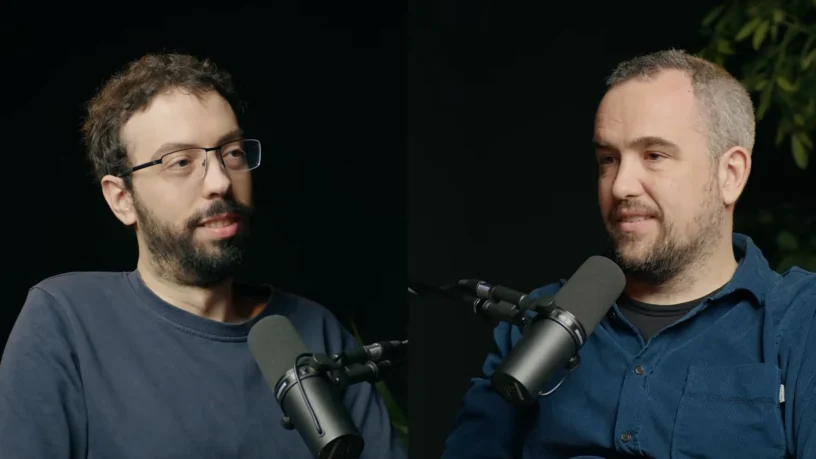


In the last episode of podcast of Itnig, Jordi Romero sits down opposite David San Martín, co-founder of Nothing, to unravel what lies behind one of the riskiest hardware bets of the decade.
The story of Nothing isn't your typical tech startup story. It's the story of seven people who left OnePlus in China to try and prove that hardware can still be exciting. David San Martín, co-founder of the brand, reveals in this talk the inner workings of a company that is already worth $1.3 billion, But it continues to deal with the mundane problems of any manufacturer: from factories in Shenzhen to the price of oil.
The leap into the void: from OnePlus to the birth of Nothing
The beginning was counterintuitive. Instead of launching a phone, they started with headphones. Why? Because of risk and scale. Hardware is a business with tight margins where one mistake can wipe you out. Leaving the comfortable OnePlus structure to set up a European company that manufactures in Asia has a purely economic explanation: The infrastructure does not exist in Europe. David is adamant: in China, if you need to replace a component, you have ten suppliers on the same street. In Europe, the logistics and costs would make the product unaffordable for the mass market.
Differentiation or death: Design versus the component crisis
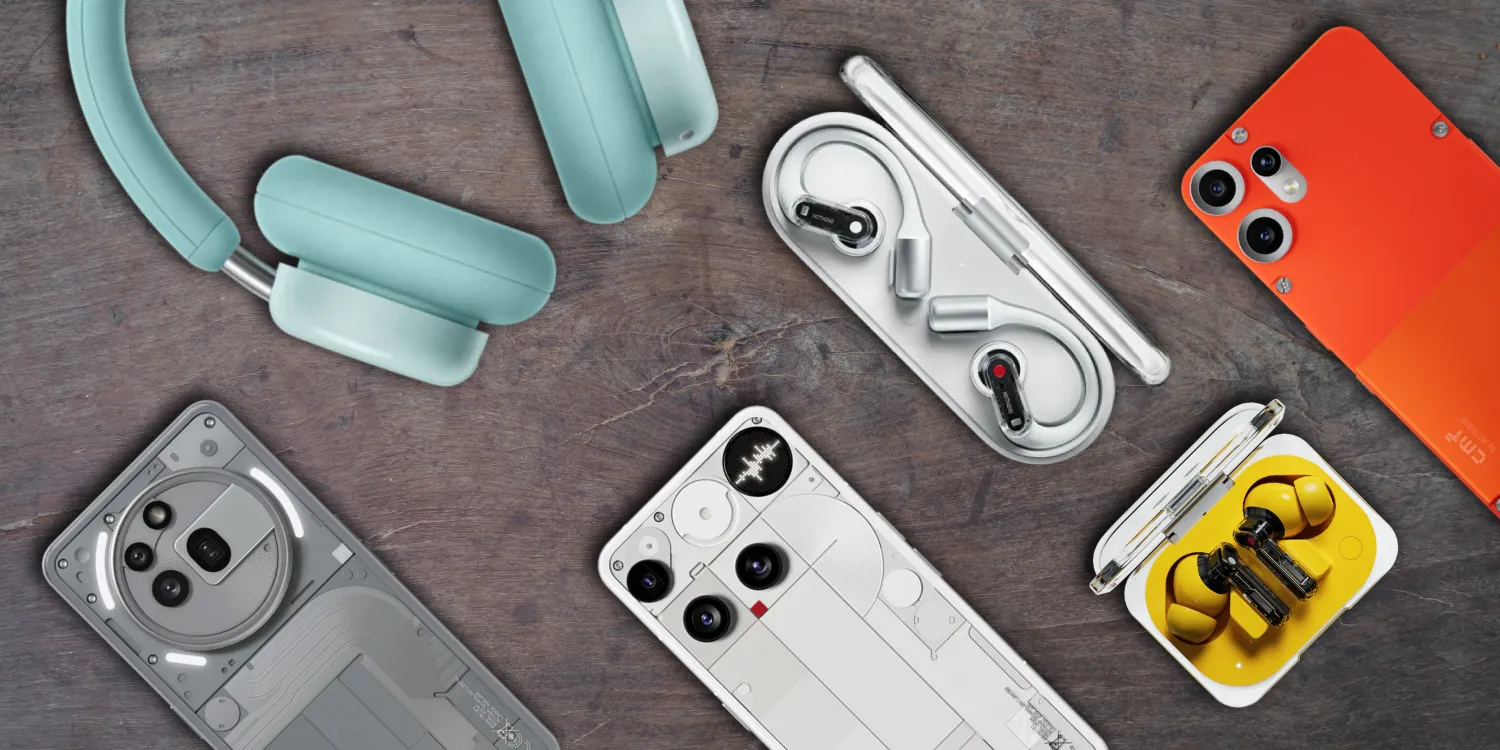
The co-founder of Nothing acknowledges that the market is stagnant. "If you put ten phones upside down, you can't tell which is which." Hence the obsession with transparent design and interface. Glyph, Inspired by hieroglyphics. But beyond the aesthetics, Nothing faces brutal macro-economic challenges.
The RAM memory crisis, Driven by the voracious appetite of AI, prices for the 200% have skyrocketed. A component that used to cost €150 can now fetch around €800. This has forced the brand to be strategic: they're not releasing a flagship every year because "it's not worth pushing the user to buy if there's no real leap.".
The 2026 rollout: Phone (4a), (4a) Pro and native AI
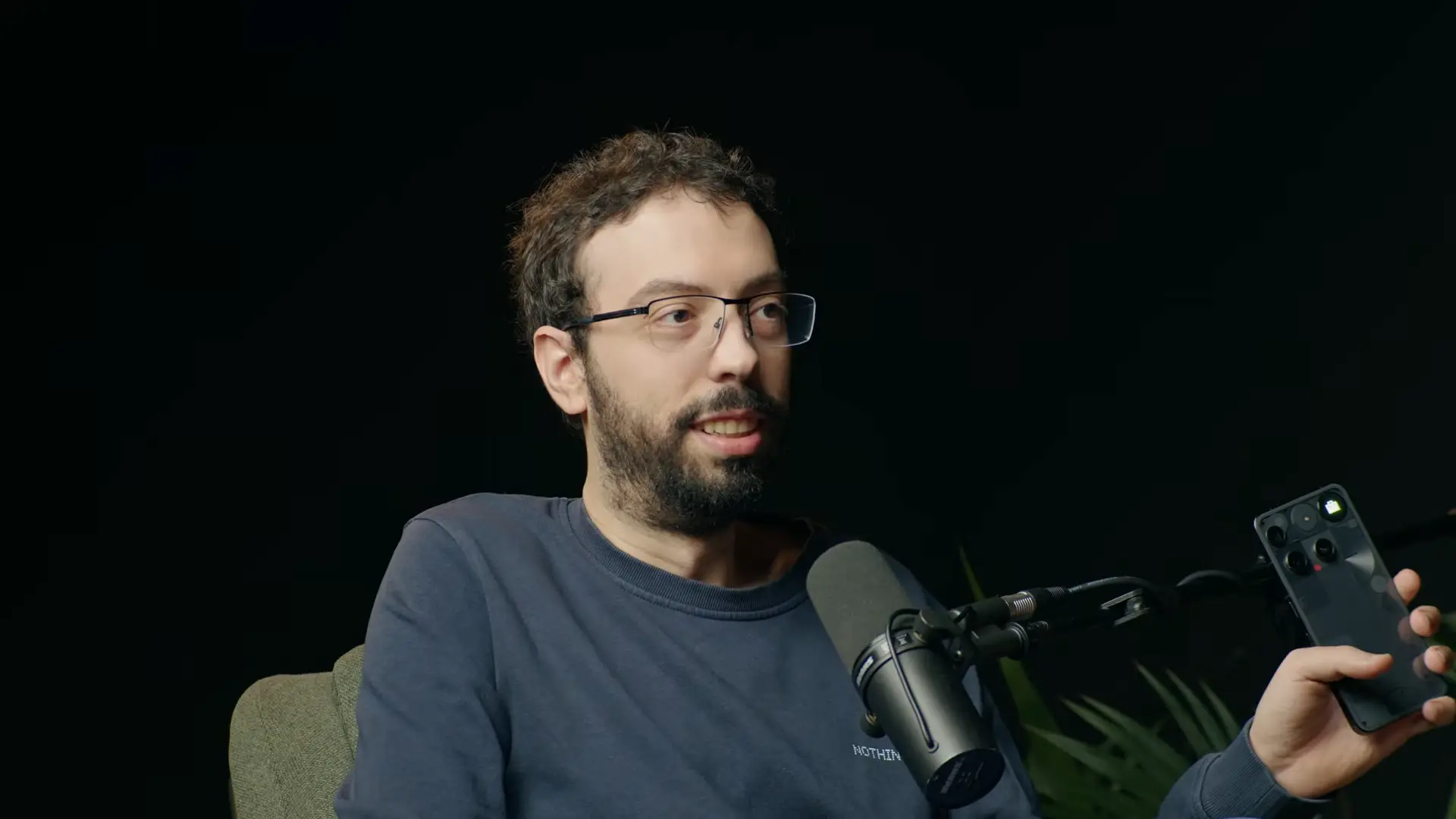
The new range reflects this maturity. Phone (4a) He opts for plastic for an engineering reason: it's more impact-resistant than glass. David explains the manufacturer's eternal dilemma: glass that doesn't scratch is harder, but shatters sooner; glass that withstands drops is softer and scratches just by looking at it.
ADVERTISING
Regarding the AI, Nothing shies away from standalone gadgets. They believe the smartphone will remain central. Their bet is on... Essential Playground, where users can use AI to create their own widgets (like one that scans emails and notifies you of arriving Amazon or DHL packages) without any programming knowledge. It's the first step towards an integration that, according to David, aims to "turn the Android system upside down." If you're interested in learning more about creating widgets via Playground, I recommend you read my first impressions after making several creations.
A community with a seat on the Council
One of its most unique aspects is its funding model. In addition to Tiger Global or Google Ventures, Nothing features 15,000 individual investors through crowdfunding. This isn't just marketing; they have a figure called Community Board Observer, A user elected by the community sits on the board of directors. "They give us a hard time," David admits. It's a way to ensure the company doesn't lose touch with the reality of the user who pays for the product.
Logistics, China and the human factor
Nothing's business is flying, literally. Because they're fast-moving consumer goods, they use airplanes to move stock, which directly links their costs to fuel prices. David reflects on China's efficiency, recalling how in Shenzhen Taxis were converted to electric vehicles overnight by decree. This speed contrasts sharply with European bureaucracy, but it also has its drawbacks.
ADVERTISING
Taxation and the reality of the "Founder" in Spain
In the more personal section, David speaks with unusual candor about his financial success. «If I could go back, I would set up a company to manage my shares.» He admits he didn’t foresee the company being worth €1.3 billion in five years, and now he faces Spanish taxation and a Exit Tax which severely penalizes success.
Beyond the money, he speaks of the stigma surrounding entrepreneurship in Spain and the legal responsibilities involved. Being an administrator means you can end up "well below zero" or even face criminal charges if things go wrong. "Money is just one component; what's important is where you're happy," he concludes, making it clear that behind the LEDs and the cutting-edge design lies a group of founders taking risks that keep them up at night.

Leave a Reply