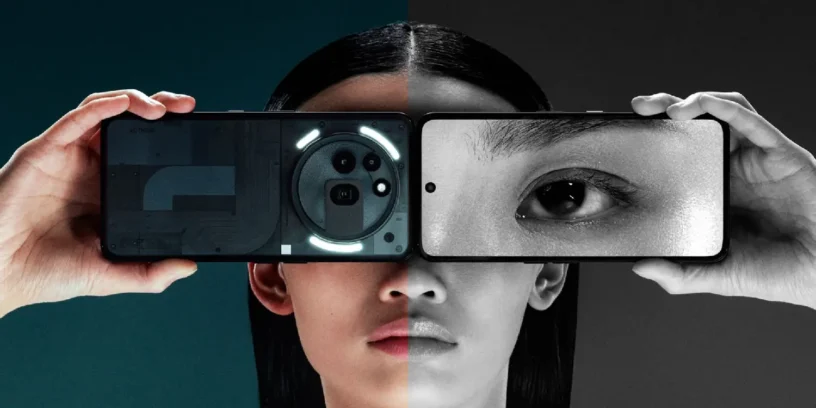


Taking a good photo isn't about having the latest camera on the market or a phone with a thousand lenses. Sometimes, with a device from years ago and a good eye, you can get impressive images. And if you have a Nothing Phone, you have a very capable tool; you just need to learn how to get the most out of it. Here are some basic tips to help you improve your photos, whether you're using a... Nothing Phone (1), he Nothing Phone (3a) Pro, he CMF Phone 2 Pro or with any other device.
The most important thing is not the camera, but the eye and what you want to tell
It might sound like a cliché, but it's absolutely true: it doesn't matter if you have a 15-year-old camera or the latest smartphone. If you have a good eye for photography, know how to find the right composition, look for the perfect angle, or find that spot with good light… the photo will be good.


Natural light is your best ally, so try to use it whenever you can. Forget the flash unless it's absolutely necessary And take advantage of the golden hours (sunrise or sunset) to capture photos with soft, spectacular tones. Paying attention to framing and composition is key. Don't always put the subject in the center, Try the rule of thirds, guidelines, or natural frames to give the image more impact.
And don't be afraid to move around and experiment with the angle: crouch down, climb to a high place, move closer or farther away. Changing your perspective can completely transform the story a photo tells. For example, turn your phone so the lenses are at the bottom and bring the device closer to the ground. Bam! It looks like a different place, a different photo!


Just because, A good photograph is not just technique: it's visual storytelling. Try to think about what feeling you want to convey. Tranquility? Surprise? Tenderness? A shadow on the wall, a glance, or a texture can say much more than a thousand words if you pay attention.
This means you don't need the best sensor or the latest phone model to take good photos. What's important is knowing what you're trying to convey and how to frame it. You can have a Nothing Phone (1), a Phone (2), or the future Nothing Phone (3): all are valid tools if you know what to do with them.
Take care to keep your lenses clean.
Another thing that might sound silly, but is super important: Keep the lenses clean and free of smudges or grease. Sometimes we take the photo and don't even realize that the camera is full of fingerprints or dust, which greatly affects the final quality.
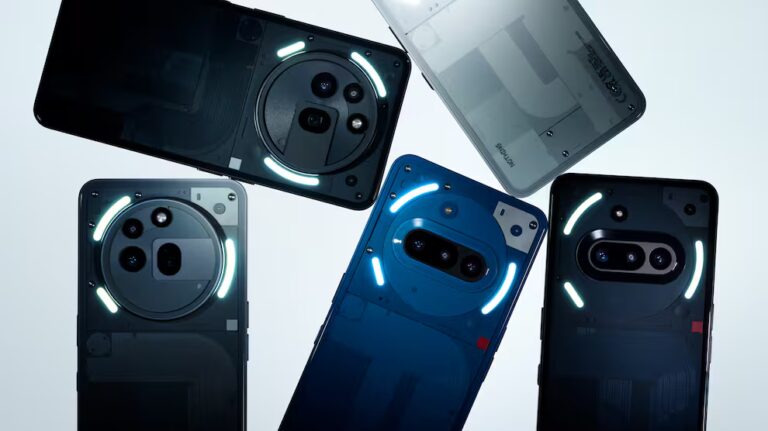
Ideally, clean the lenses with a soft cloth or lens-specific cleaning products. Avoid using dirty t-shirts or rough tissues that could scratch them. And be careful with the case: it shouldn't cover even half a millimeter of the lens, as that will also ruin the image.
Use the correct lens and avoid common mistakes
Knowing how to use the right lens is essential for taking good photos with your Nothing Phone. The wide-angle lens might seem tempting because it captures a lot, but It tends to lose quality at the edges. and it can introduce distortions or strange colors (the famous chromatic aberrations).
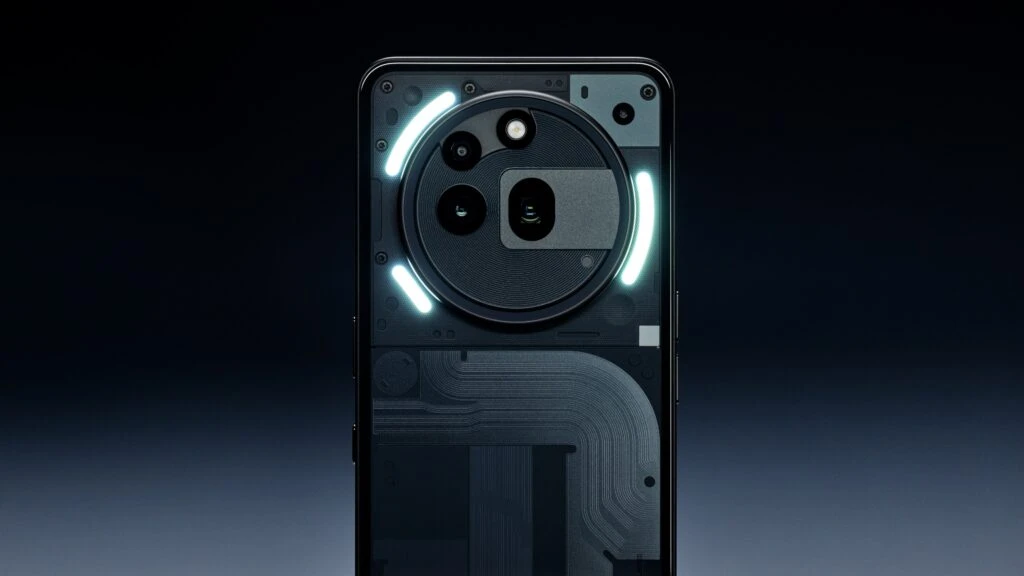
That's why I almost always recommend use main camera to ensure the best quality. And if your Nothing Phone has a telephoto lens like the Nothing Phone (3a) Pro, Use it when you want to zoom in on an object with real optical zoom, which preserves detail.


Avoid digital zoom: with the Phone (1) or (2), for example, Don't go above X2 if you don't want the sharpness to drop.. Whenever possible, get closer in person.
Also, if you have portrait mode, Use it wisely. It looks great when there's good light and a simple background, but if the cutout isn't done well, it can ruin the photo. If you can use portrait mode with a longer lens (like a telephoto), the result is usually much more natural and with a more authentic bokeh.
Don't settle for just one photo: play with exposure and HDR
A very common mistake is simply taking one photo in automatic mode and calling it a day. But sometimes, automatic post-processing messes things up: an overly exaggerated HDR, blown-out areas, or overly thick shadows.
The best approach is to take several photos of the same scene, experimenting with HDR on and off, and adjusting the exposure by increasing or decreasing the brightness. This increases your chances of getting a good shot. Also, if you tend to get nervous when taking photos, use the 3-second timer to prevent blurry images.


Edit your photos, but don't overdo it
Good editing can make a decent photo special. There's no need to complicate life: with the Snapseed app, For example, you can adjust brightness, contrast, color temperature, or focus in just a few seconds. The best part is that it allows you to give that A small personal touch that doesn't seem artificial. Don't get bogged down with weird filters or overdo the saturation if you're just starting out. As I like to say: less is more.
Learn from your mistakes, and from others.
Don't be afraid to review your old photos. Seeing what you did wrong (or right) helps you improve. Look at whether you accidentally cropped things out, framed the shot poorly, or overused an effect. You'll improve a lot through trial and error.
It also helps a lot View works by other photographers or creators. Instagram, Pinterest, and Reddit are full of inspiration. Pay attention to the light, the angle, the colors… and don't copy, but do get inspired.
Taking good photos with a "Nothing Phone" is more about technique, intention, and practice than having the latest technology. Follow these tips and you'll see how you improve, no matter what model you have. Remember, photography is about capturing moments and emotions, and that's entirely up to you.


Leave a Reply