

The Nothing's fourth generation headphones It arrives with the promise of polishing what was already a great product, the Nothing Ear (2024), and to close the gap with heavyweight competitors like the Apple AirPods. After two weeks of thorough testing Nothing Ear (3), the feeling is that the brand has achieved a qualitative leap in several key areas, although it still carries a few weak spots that should be top priority in future iterations.
Design and hardware: a premium evolution
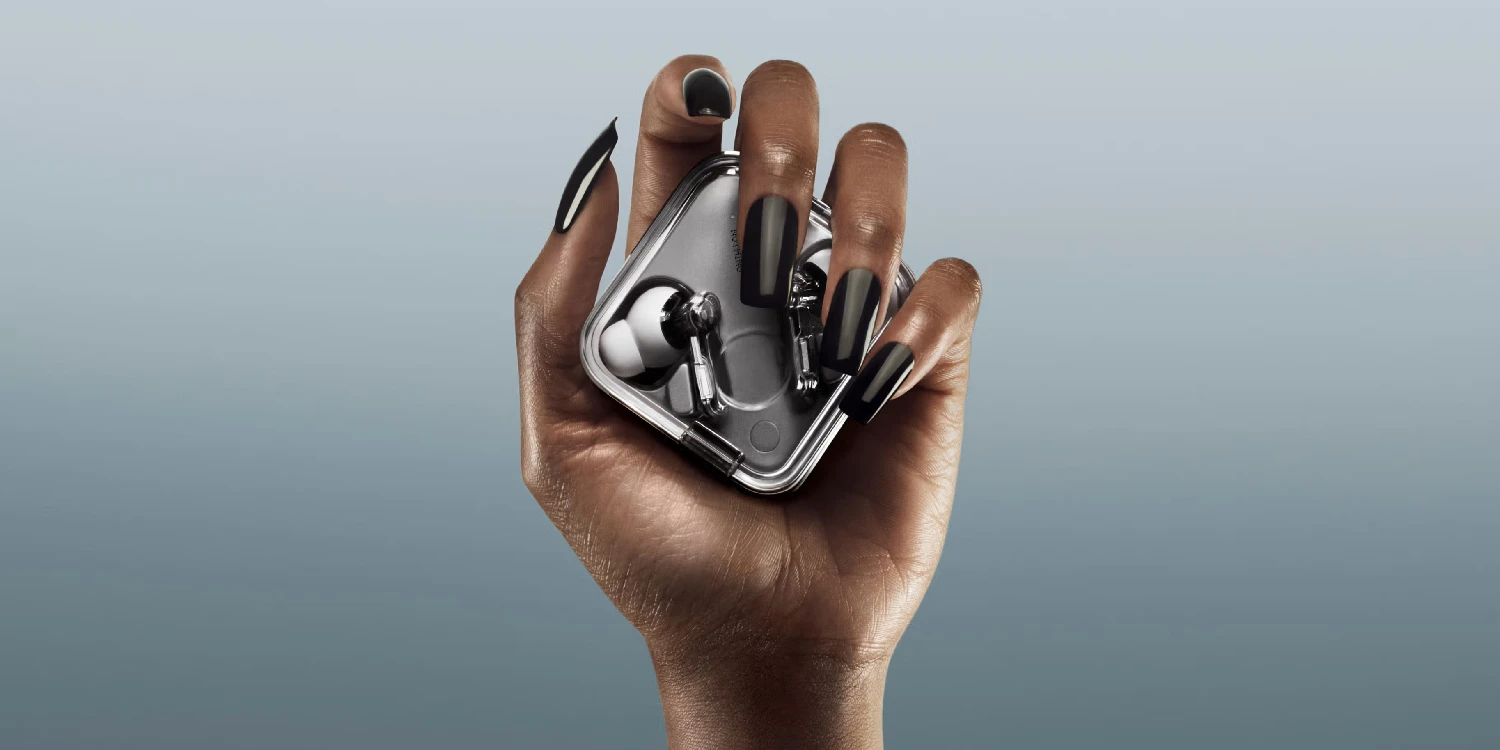
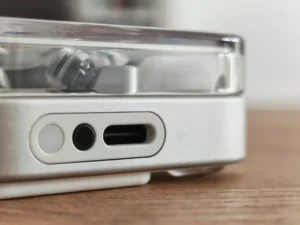
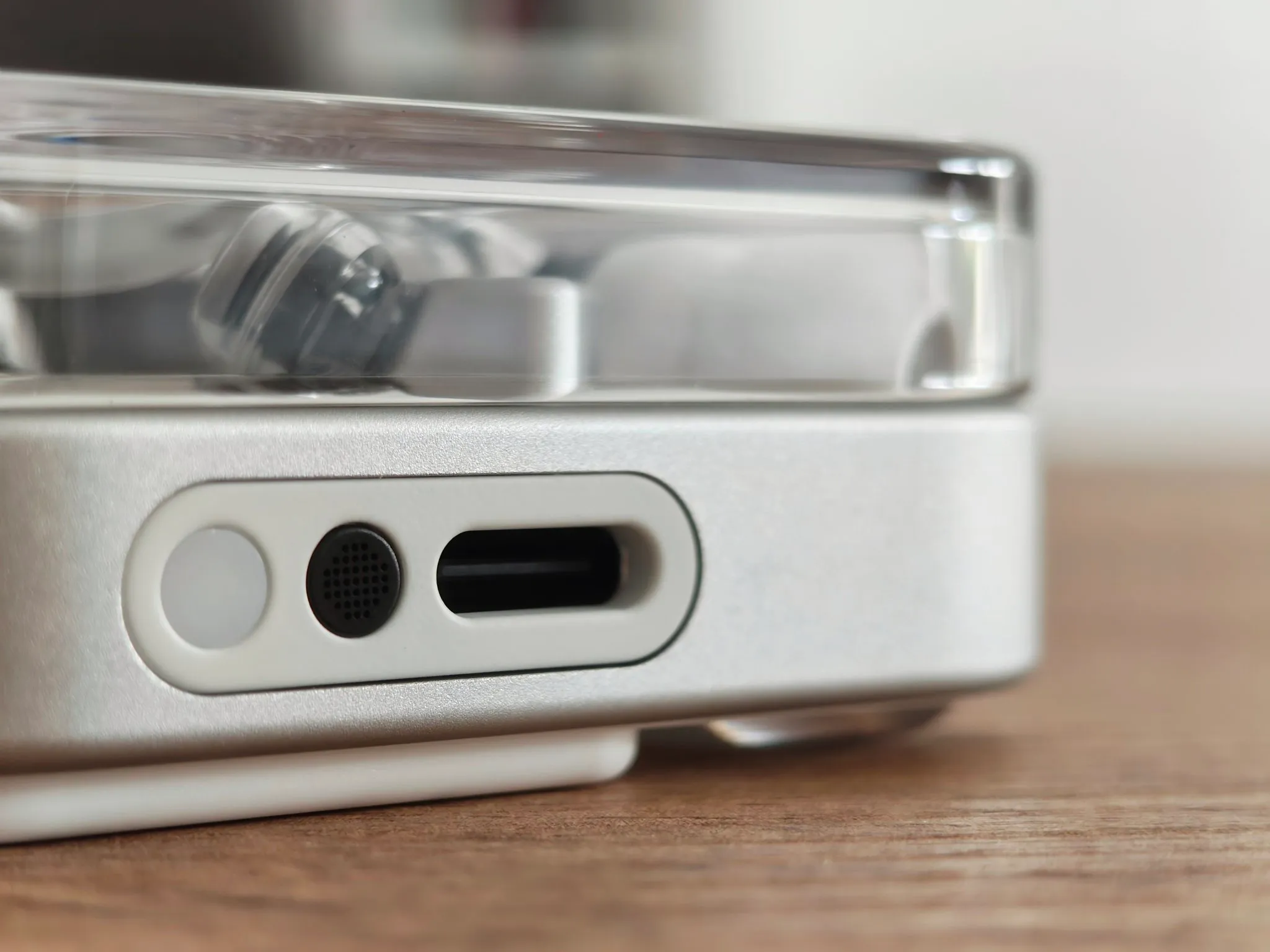
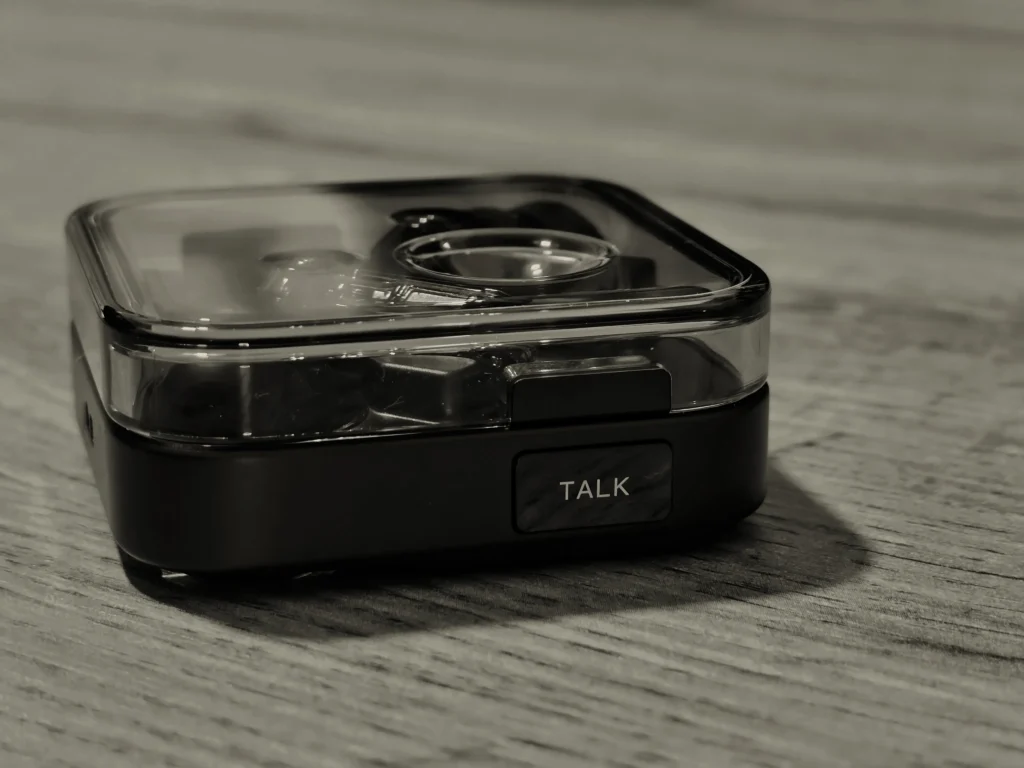
The design remains true to the brand's aesthetic, but significant improvements in build quality are noticeable. The case is the first indication of this approach. premium by incorporating a aluminum finishthat gives it a more pleasant feel, a sturdier build as a single-piece construction, and a more high-end look compared to its predecessor. The corners are more rounded, without any "plasticky" ridges, enhancing overall ergonomics when holding it.
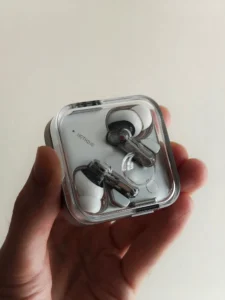
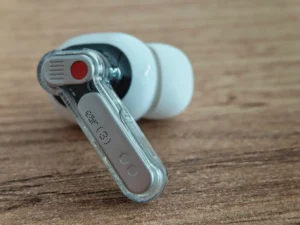
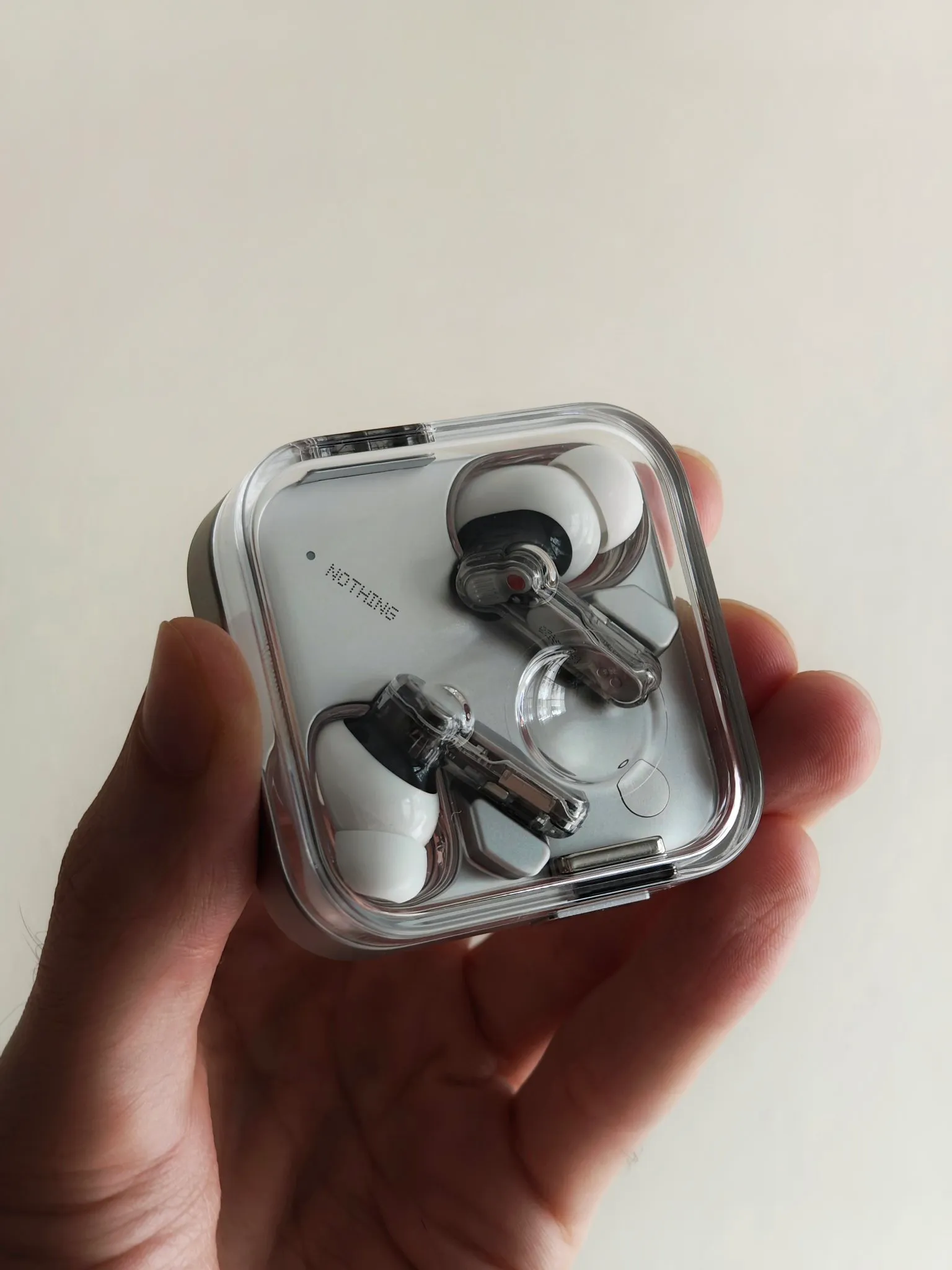
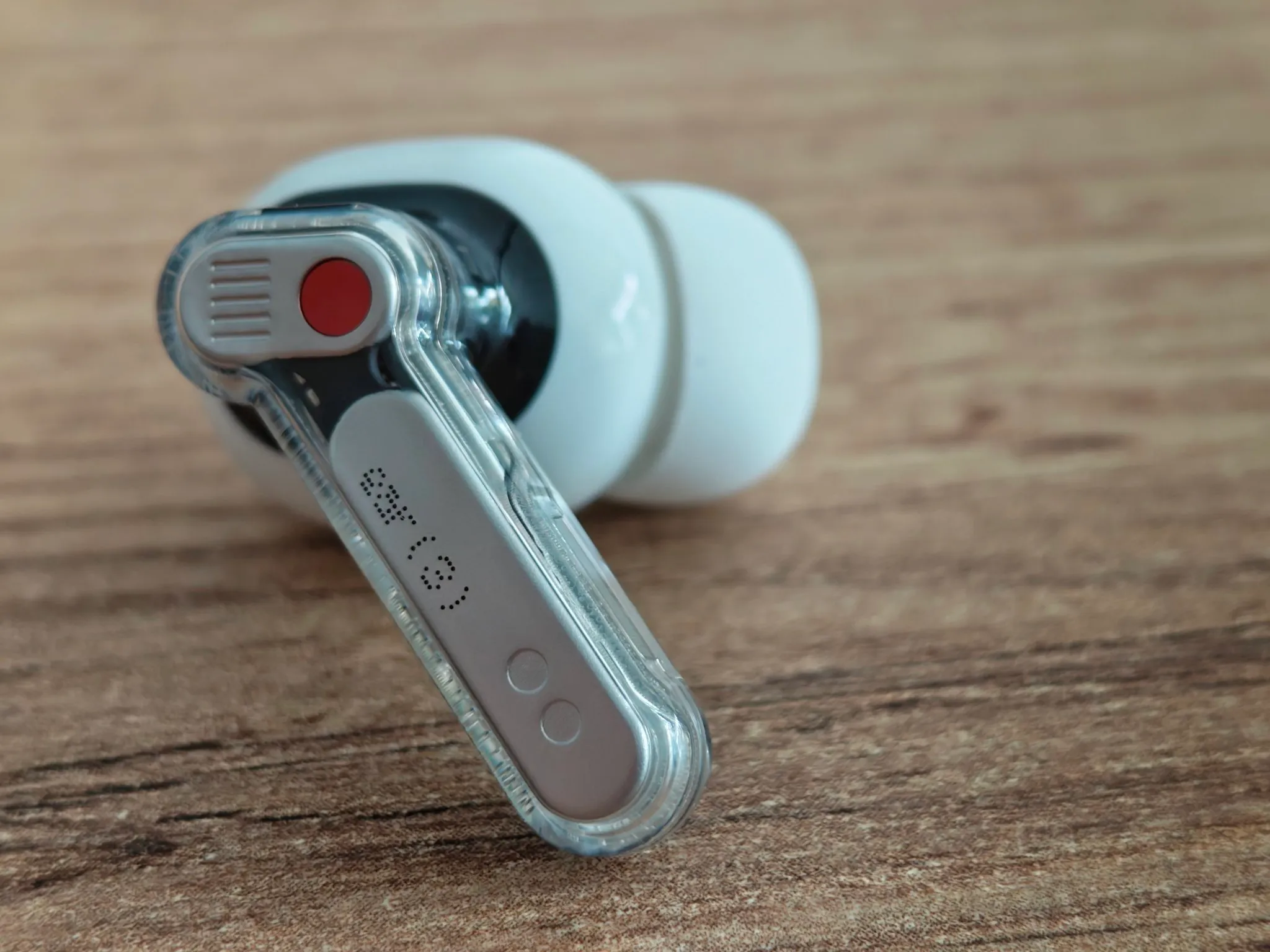
Regarding the earbuds, their shape has been slightly adjusted for greater comfort. Each earbud is a bit heavier, weighing 5.2 grams, although this increase doesn't hinder extended use. Nothing has placed special emphasis on ergonomics, claiming to have studied over 40 adjustment settings. The shaft, although slightly longer and thicker than the previous one, has a more natural angle. A key detail is the implementation of internal ventilation ducts designed to reduce pressure in the ear canal, making them less "clumsy" and noticeably more comfortable that the Nothing Ear (2024).
For example, when eating (and chewing) with the earbuds on, or going for a run with them, the fit is good, though every now and then I have to readjust them so the active ANC works more effectively. That said, my favorites for exercising or eating are still the Nothing Ear (Open)they are on another level in terms of comfort and grip.
ADVERTISING
The contents of the box and accessories include, alongside the Nothing Ear (3) earbuds and the charging case, three sizes of silicone ear tips (S, M, L), a USB-C to USB-C cable, and the quick start documentation.
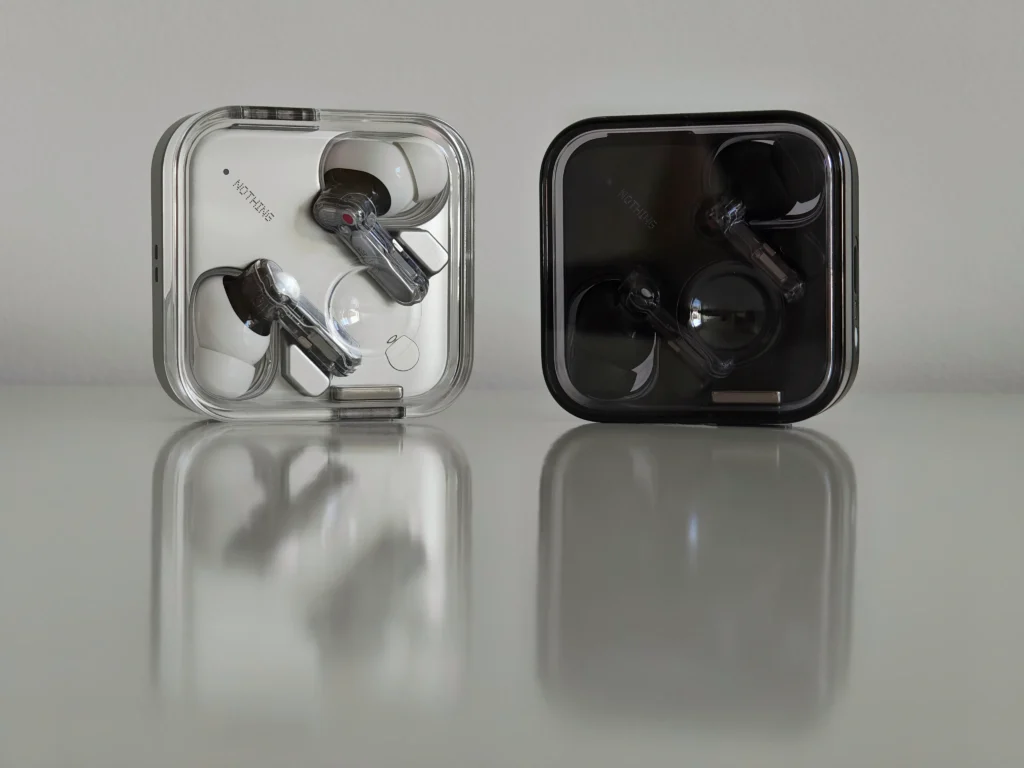
Silver or black?
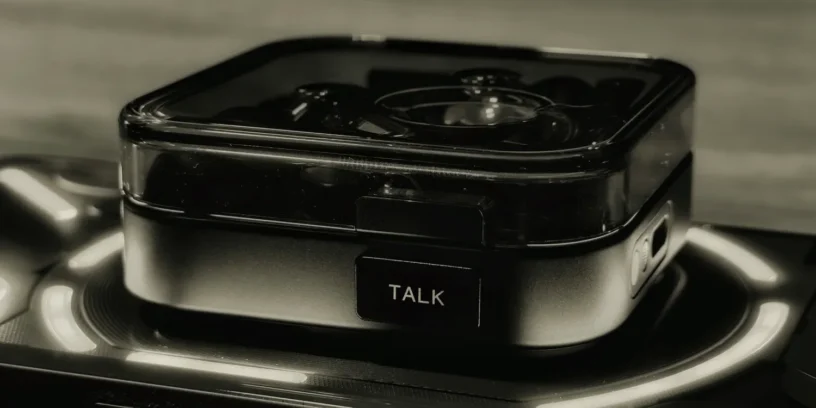
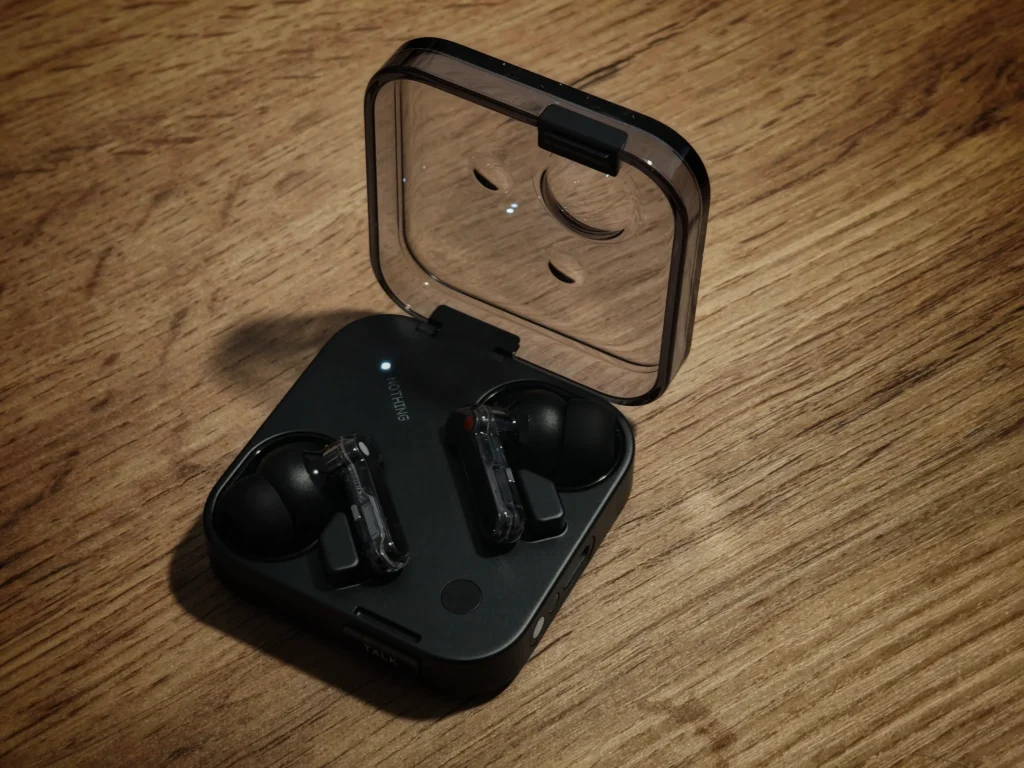
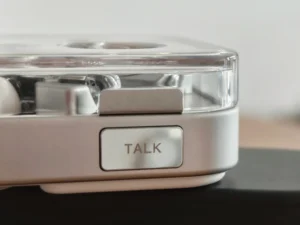
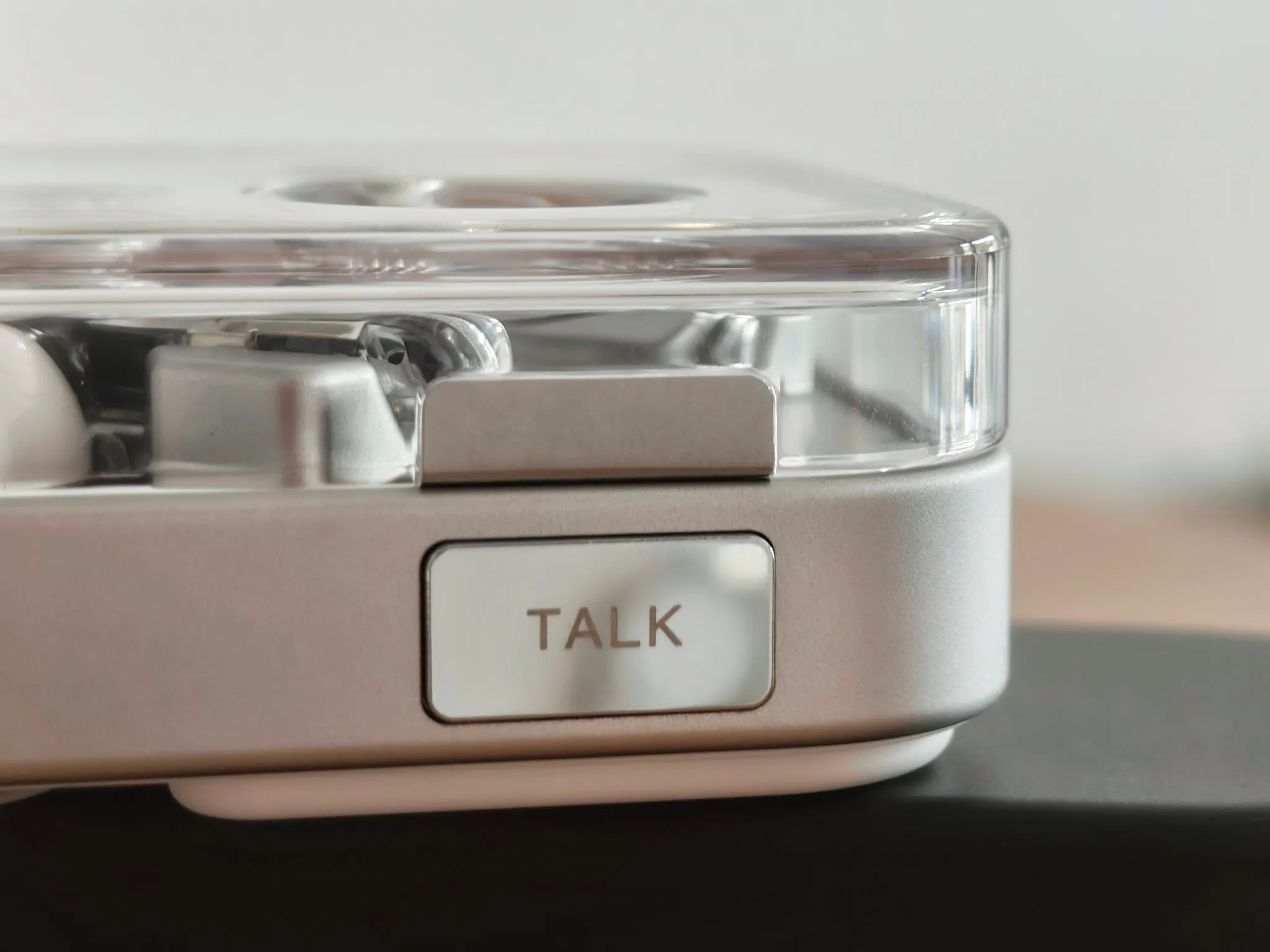
Normally, I think white (in this case, silver) is the best option, as you can easily appreciate the details. I have to say that if it weren't for that detail, I would prefer the black version. It's more elegant, feels more robust, and the "TALK" button stands out more. It's a shame it's a dust magnet, and unless you're in a very well-lit place, the details don't stand out as much.
The sound that sweeps Apple away
If there is a strong point in the Nothing Ear (2024), it was the sound, and the Ear (3) manage to surpass themselves. This step forward is largely thanks to the debut of a powerful new 12mm dynamic driver with a PMI diaphragm and TPU surround. You can feel a qualitative leap, with a superior ability to separate sounds and, above all, great bass that packs a punch. In this regard, I think the Nothing Ear (3) completely blow the AirPods Pro 2, which were already bested by Nothing's previous model. The ability to capture nuances without breaking any of the subtle details is simply spectacular.
To test this capability of this driver, among several topics, I used Rosalía's new song Berghain. It's a demanding song because of the a large number of sound layers, the voice heavily edited with reverb, and the blend of complex symphonic and electronic elements. And I can assure you that the result with the Nothing Ear (3) is simply brilliant, demonstrating the ability to accurately separate all elements of the track without saturating the bass or losing the treble.
An audio profile for each ear
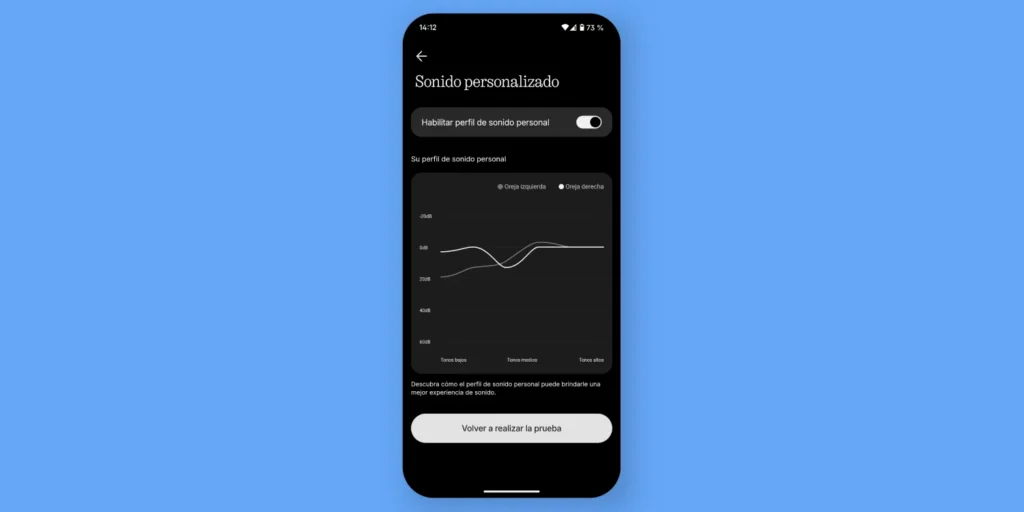
The experience gets even better thanks to the Personal Sound Profile feature within the Nothing X app. It performs a three-minute hearing test that adapts the audio profile to your specific hearing, which is a resounding success. Furthermore, in terms of connectivity, the Ear (3) have been updated to Bluetooth 5.4, incorporating support for the codec LDAC (Certified Hi-Res Audio)alongside AAC and SBC, guaranteeing high-fidelity audio transfer. For gamers, the low-latency mode manages to reduce total lag total below 120 ms.
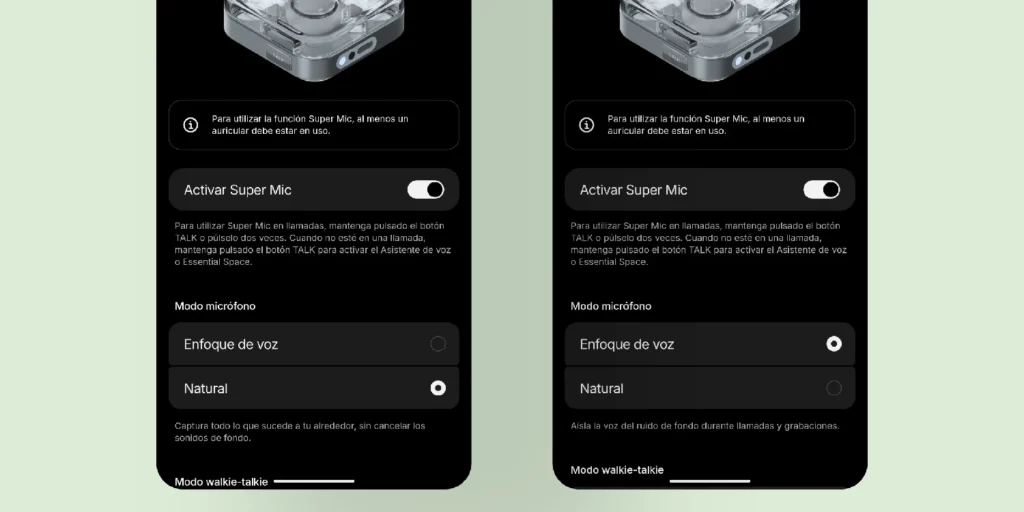
As for Bluetooth calls, they work flawlessly:voices sound crisp and clear, and only in very noisy environments might you notice a slightly robotic tone, though the conversation remains perfectly intelligible. If you make use of the Super Mic, you get a warmer, more detailed tone in "natural" mode, which was added in the latest update.
ANC, spatial mode, and the loss of bass in transparency mode
Here we find the great but main. While the audio is excellent, this quality seems to be tied to the mode ANC active. The difference is night and day, as switching to transparency or off mode causes the bass to drop off dramatically, making the sound feel more tinny and airy. My personal hypothesis is that this loss of serious symptoms is directly related to those internal ventilation ducts. While they're fantastic for adding extra comfort, they could be blurring the impact of the serious when ANC processing is not active to compensate. It's a curious limitation, as it forces me to keep ANC active to enjoy the best music quality.
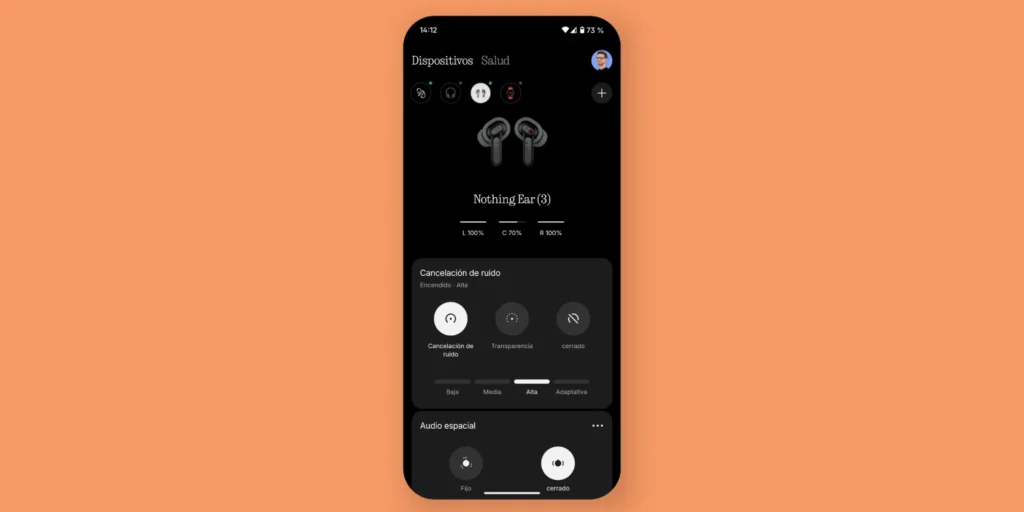
On top of this, the implementation of Space Mode is, frankly, something I wouldn't recommend using for music. Instead of creating an immersive soundstage, it produces a "noise" effect and the feeling of being trapped in a box. Perhaps its performance is better for TV series or games, but it doesn't justify its use for everyday music listening.
The Super Mic: it works, but it's missing a great opportunity.
The big news in terms of hardware is the incorporation of Super Mic, a system of dual MEMS microphones integrated into the case itself of charging to improve voice pickup in extremely noisy environments. While tests show a slight improvement in clarity and naturalness over microphones that already work well, I perceive it more as a "advertising hook" which as an essential characteristic.
I think Nothing missed an opportunity to turn it into a functional "lapel" microphone for content creators; it would have been much more appealing than its current use (voice notes and occasional calls).
The weak point: transparency mode and ANC
This remains the weakest and most urgent aspect to improve, despite Nothing's advanced specifications, which include real-time adaptive cancellation capable of adjusting the profile every 600 ms and fix leaks every 1.875 ms.
In my testing, I've been switching between these headphones and the Ear (2024) , and it's hard to notice any major differences in ANC mode. The transparency mode, although functional (better than the previous model), is still far from the performance of the AirPods, which remain the gold standard in this department.
ADVERTISING
The experience with transparency mode continues to be a point that personally disappoints me. It's true that it has noticeably improved compared to the previous model, now reaching an acceptable level. However, the annoying clogged-ear effect persists, especially when pronouncing certain consonants such as the letter M or N, although to a lesser extent than in the Ear (2024).
As a positive detail in the ANC, there have been corrected certain errors which the previous model presented, where sudden sound frequencies, such as the "click" when closing my dog's leash, were increased or accentuated by the system instead of attenuating them.
Controls, battery life, and the excellent Nothing X app
The Nothing X app solidifies itself as the crown jewel of these earbuds. Their software is exquisite, allowing you to configure detailed equalizers, use custom sound, and manage the dual connection (use with two devices simultaneously), which works perfectly.
However, the pinch controls (pressing the earbud stem) remain the biggest hurdle in terms of interaction. Although the app allows you to customize each gesture with multiple options, I really miss the convenience of the touch system on the AirPods Pro 2 for volume management. Currently, increasing or decreasing the volume is tedious and slow. Nothing should innovate in future installments and surprise us just as they did with the wonderful touch buttons of the Nothing Headphone (1).
In terms of battery life, the Ear (3) offers robust, average performance. Each earbud integrates 55 mAh and the case a capacity of 500 mAh. This translates to a range of up to 5.5 hours with the ANC active (reaching 22 hours with the case) and up 10 hours without ANC (reaching 38 hours with the charging case), a slight improvement over the Nothing Ear. Fast charging via USB-C allows for 10 hours of playback with just 10 minutes of charging, in addition to the Qi wireless charging.
Conclusions and purchase recommendation
The Nothing Ear (3) are undoubtedly earbuds with great value for money if you prioritize pure sound quality (with active ANC) and design. They have delivered a more premium product with excellentsound, clearly outperforming the competition when it comes to audio quality. Dual connectivity and the Nothing X app, with its wide range of customization options, are their strongest suits.
- Should you upgrade if you already have Nothing Ear (2024)? In my opinion, no. There isn't a sufficient qualitative leap in all areas to justify the investment.
- Should you buy them if you're upgrading from older models or lower-segment devices? Absolutely. They're a fantastic option if you're looking for some of the best sound on the market in their price range.
In short, they are brilliant headphones in the essentials, but their price of €180 already demands a higher level in the ANC and, above all, in transparency mode, aspects where Nothing has yet to quite hit the right note.
Nothing Ear Analysis (3)
- Design and build quality
- Comfort
- Sound quality
- Active Noise cancellation (ANC)
- Transparency mode
- Battery Life
- Controls and features
- Connectivity

Earvin Macias
I'm very tempted to buy the Nothing Ear 3.
I'm coming from the Sony WF1000XM5 and, although I liked them a lot, the left earpiece broke and the replacement costs little more than half of its original value.
Do you recommend the Nothing Ear 3 to replace my Sony headphones?
ruudhesp
Hi Earvin!
To be honest, coming from where you're coming from, I'd get them if... you have a Nothing Phone, if you like a sound where the bass takes precedence over a neutral sound.
The Sony headphones excel in ANC (they completely outperform Nothing here), but otherwise I think they're pretty much on par, each with its own style, advantages, and disadvantages. I'd also consider ergonomics, as they're quite different even though both are in-ear headphones.