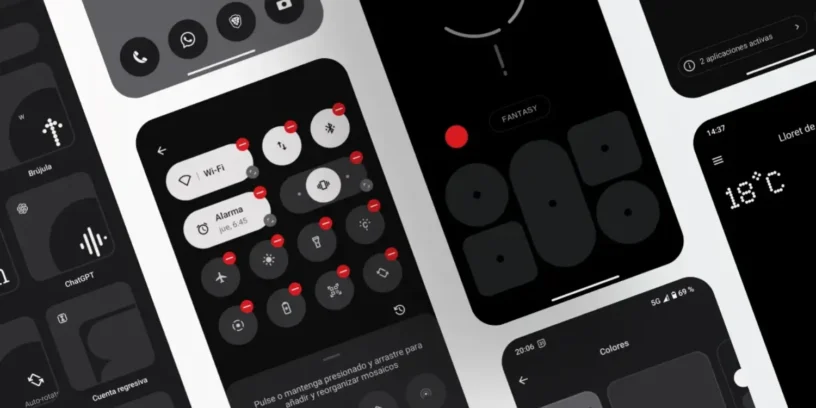

The small notification that appears annually in our smartphones of Nothing announcing the arrival of a new version of Nothing OS, Perhaps one of the most anticipated events. However, behind that simple pop-up Hidden within it lies one of the most complex feats of engineering and coordination in consumer technology.
It's not just software; it's the convergence of months of work, thousands of tests, and a commitment to delivering an experience that, ironically, feels invisible. With the upcoming release of Nothing OS 4.0, The company has seized the opportunity to give us details of the process (original article), step by step.
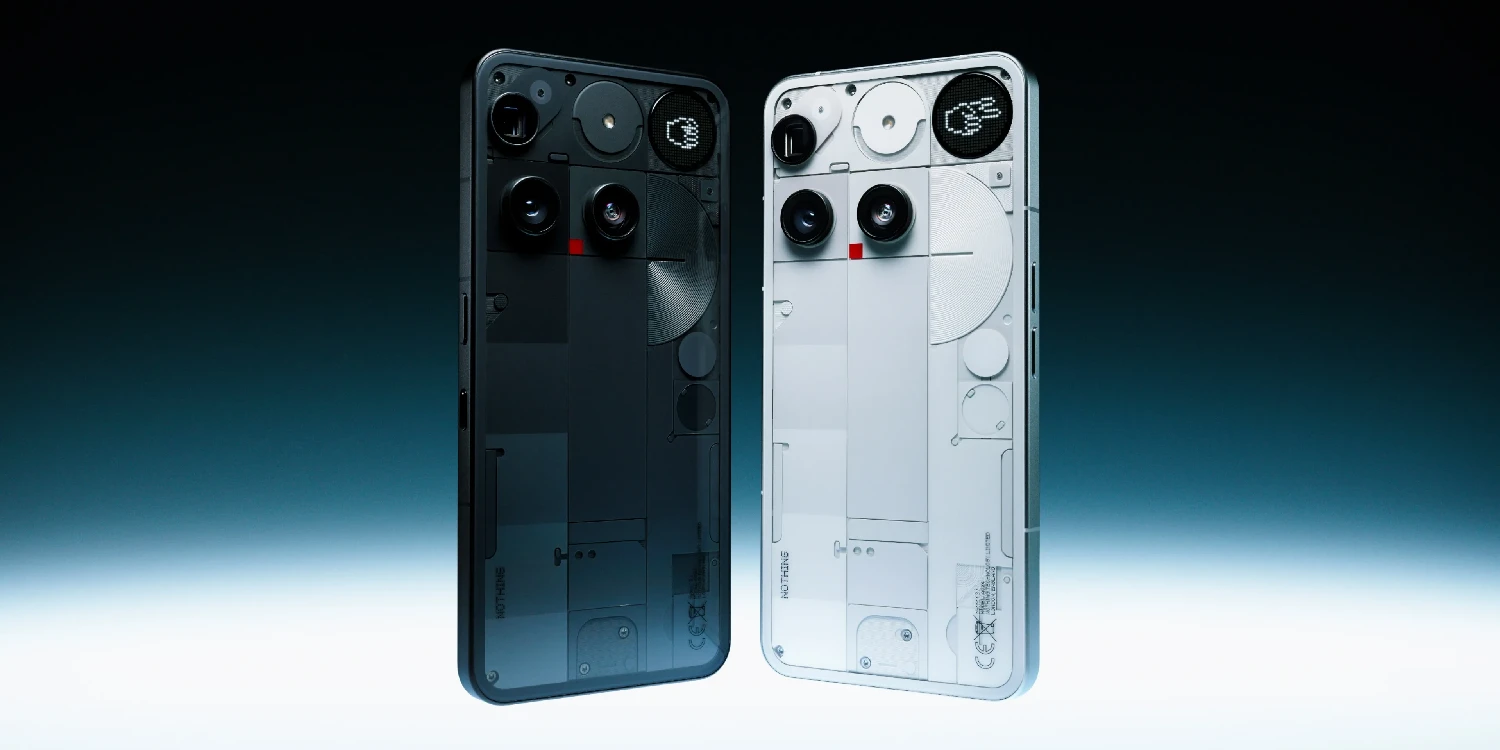
From my perspective, this development process is what truly defines the value of a brand as Nothing. It's not just about adding flashy features, but about the dedication to refining the core experience. Let's delve into how this technological "cake" is baked, from Google's source code to the fluidity we feel in our hands.
The foundation: AOSP and working with Google
Every Android operating system begins with the foundation laid by Google: he Android Open Source Project (AOSP). This is the heart, the framework essential, which includes the APIs, the kernels and the foundations of the system. If Google He sees it as a moment of excitement for new privacy, design, or intelligence features for manufacturers like Nothing, This is the start of a race against time to integrate and shape that base.
ADVERTISING
The key here is the anticipation. Nothing It begins its work long before the stable version of Android is released, using the Platform Development Kit of Google. This allows them to plan how their unique characteristics will evolve, such as Glyph Interface, within the new Android structure. In my opinion, this proactivity It's crucial. You can't wait for final stability to begin; you must understand the codebase as it develops for the subsequent merge to be efficient. The philosophy of Nothing to create an experience «"effortlessly effortless"» (effortless) is not an accident, but the result of understanding and working the AOSP from its very first lines.
The plate and the glaze: BSP and Nothing OS
If Google provides the base (AOSP), the partners of chipset Companies like Qualcomm or MediaTek are the ones who prepare the "dish" so that the cake can be served. They are in charge of the Board Support Package (BSP). This is the software that allows AOSP, which is universal, to communicate with the hardware specific to a phone, providing the drivers essential for the camera, screen, sensors, and power management. Without the BSP, the device would not start..
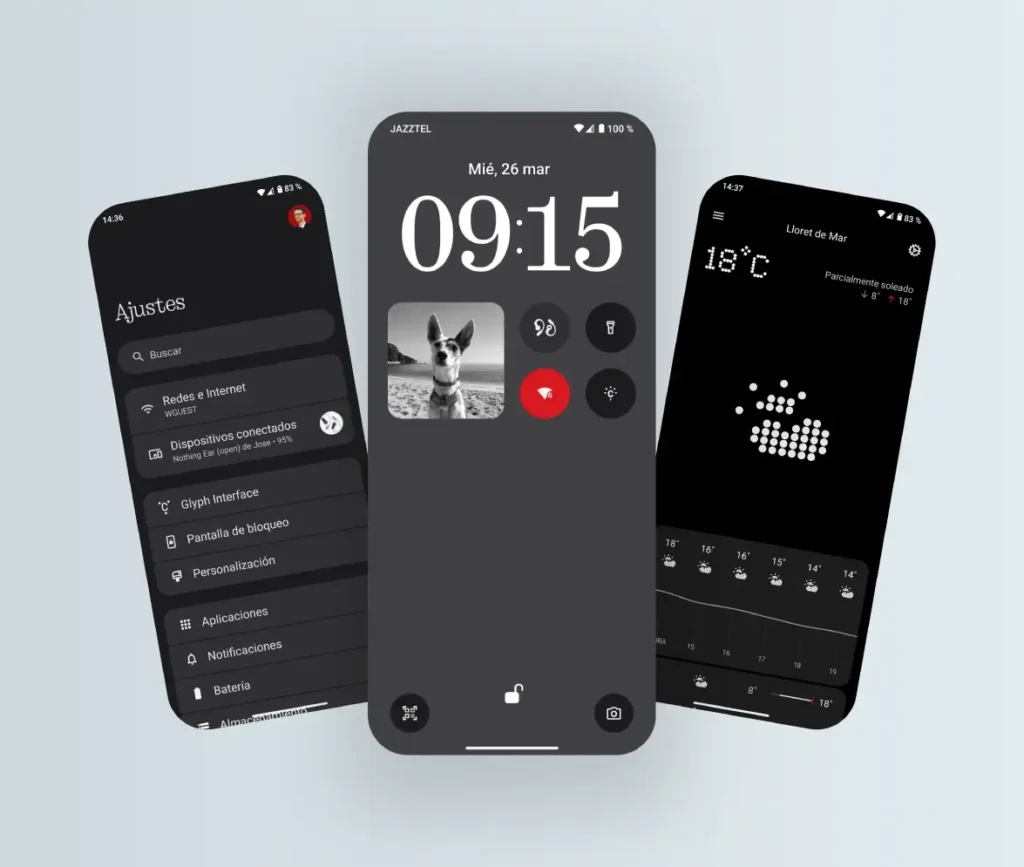
When Nothing You receive this BSP, and the phase where your identity comes to life begins. This is where Nothing OS It merges with the layer of hardware. What I find most impressive is the level of fine-tuning. It's not a simple "copy and paste." Each model, whether a flagship or a more affordable model, is individually tuned to optimize performance, battery life, animations, and connectivity.
The goal is for the OS to disappear into the background, to feel fast, fluid, and reliable. This is achieved by eliminating "visual noise" and focusing on features that provide real value. It's an approach I greatly appreciate, because in a market saturated with redundant features, the moderation and minimalist design of Nothing They are a breath of fresh air.
From dogfood to certification: the path to stability
Once all layers (AOSP, BSP and Nothing OSOnce the components have merged, the most intense phase begins: testing. The process involves several critical stages that guarantee quality:
- Dogfooding and Beta Interna: The software is tested by the employees themselves and a small circle of the community, such as their daily drivers. This is vital for capturing usability problems that only manifest themselves in real-world, everyday use.
- Open Beta: The wider community comes together, testing the system across a broader spectrum of carriers, regions, and applications. The phased, device-by-device release here is a smart strategy for isolating problems and avoid a massive impact.
- Google Certification (XTS): This is the ultimate test. The system must pass the entire set of tests. Extended Test Suite (XTS), including CTS, VTS, GTS, and STS. It is a rigorous check of Android standards compliance, security, and application behavior. A single failure requires correction, rebuilding, and resubmission.
This cycle of constant development, driven by the property The knowledge engineers have about its features ensures consistency. In the end, that small update of a few gigabytes is the sum of a technical choreography of six months or more, culminating in a controlled deployment to ensure maximum stability.
ADVERTISING
In conclusion, the beauty of an update of Nothing OS It resides not only in what it brings with it, but in the meticulousness of how it reaches our hands. It is a testament that the craft Craftsmanship and meticulous engineering are fundamental to a great user experience, even in the era of major software releases. The promise of a phone that feels "just right" depends on every piece of that complex machine working perfectly.



Leave a Reply