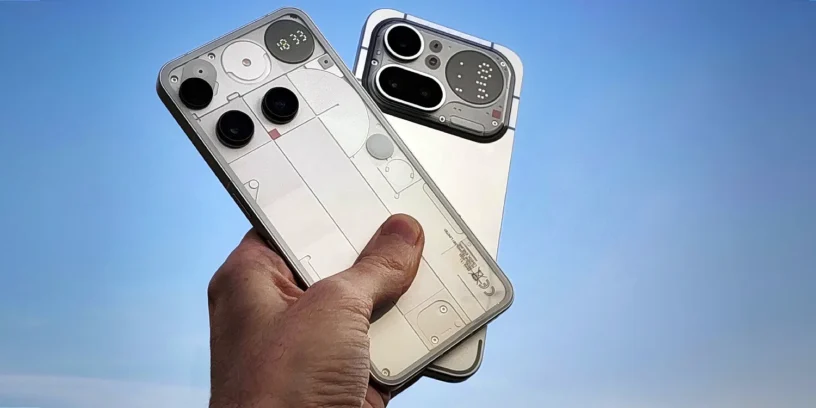


With the launch of Phone (4a) Pro we have witnessed a radical change in its design. What began as a non-negotiable hallmark, transparency, seems to be giving way to a new roadmap where engineering dictates the rules and forces Nothing to reinvent its foundations.
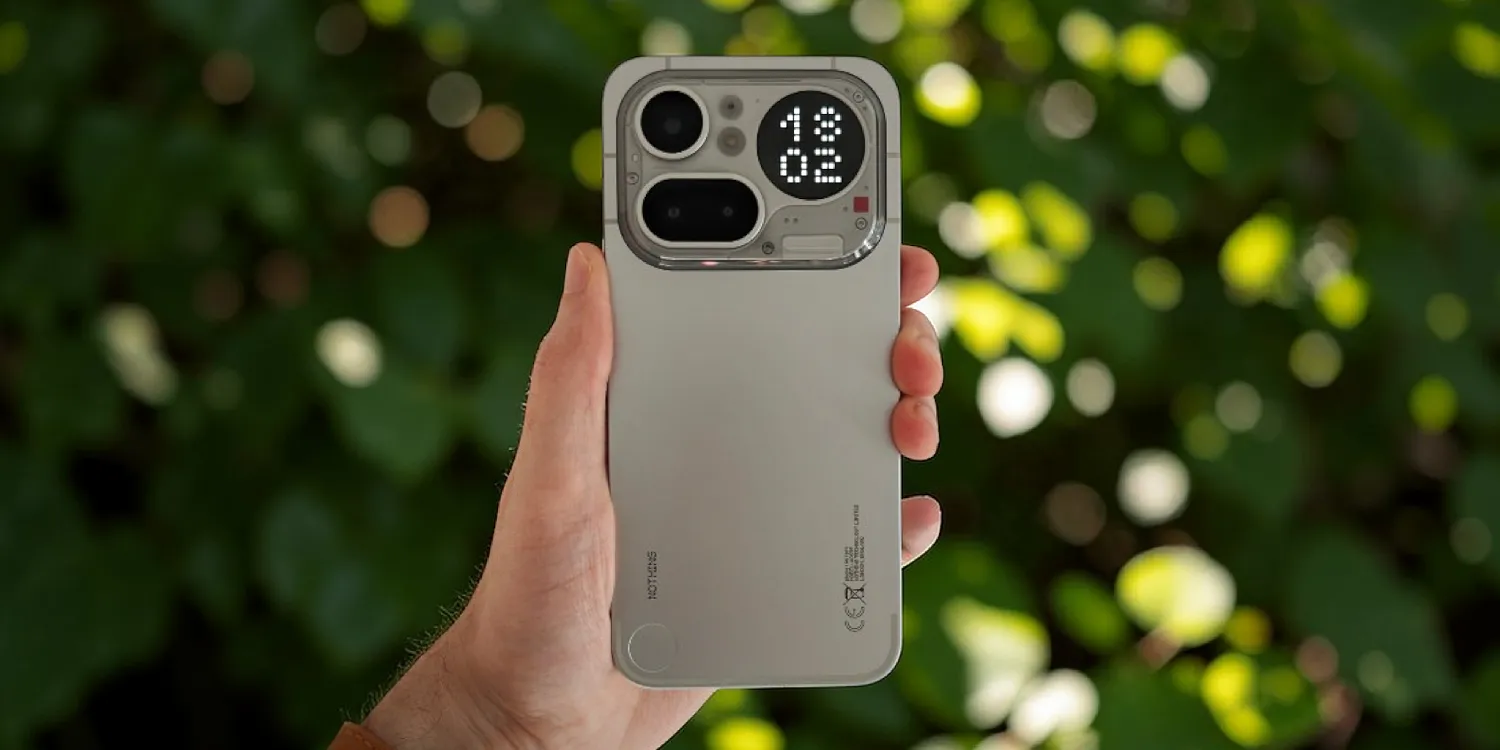
This paradigm shift, which we already saw in the Nothing Headphone (1) and has been consolidated with the Nothing Phone (4a) Pro, This suggests that the brand has quietly decided to resolve the problems that glass has been causing. It's not just a new style; it's the rebirth of a visual language where performance is no longer sacrificed on the altar of aesthetics. In my opinion, it will set the standard for what we'll see in the company's future mid-to-high-end devices.
The internal space and the jump in the steam chamber
One of the biggest obstacles to transparency is that it requires layers of textures and polycarbonate sheets to hide the internal mess of cables. Throughout its short history, Nothing has had to invest valuable space in decorative elements that didn't contribute to performance. With the Phone (4a) Pro, the company breaks that barrier and integrates a chassis that combines the back cover and structural frame into a single piece of aluminum.
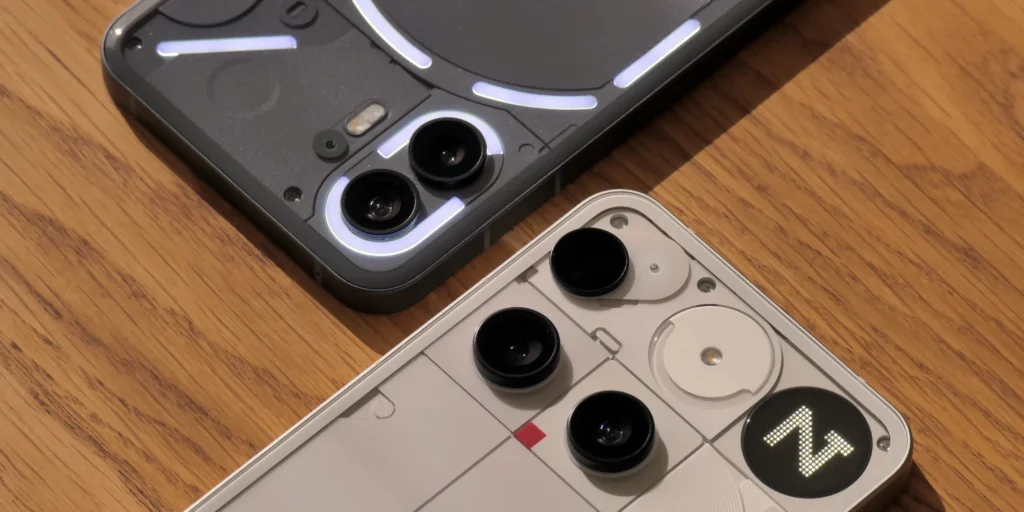
If we analyze the cooling system, the benefits of this new approach are clear. Nothing Phone (3) It is 9.0 mm thick and relies on a vapor chamber of 4,300 mm². Thanks to the space reclaimed by the unibody design, the Phone (4a) Pro reduces its profile to 7.95 mm and introduces a huge vapor chamber of 5,300 mm². It's a leap of almost 23% in the dissipation surface, adding more cooling power in a body that's 11.6% thinner.
Want to know more about the Phone (4a) Pro?
📲 Read my detailed analysis here.
Thermodynamics: the perfect synergy against heat
Temperature management was likely a major headache and a significant bottleneck that the iPhone 3 silently endured. To put it simply, materials like glass and plastic act like a "thermal blanket" that traps heat. The iPhone 3 has a very powerful processor, but because it's "surrounded" by glass, heat accumulates and the device struggles to dissipate it, reaching high temperatures under maximum workload.
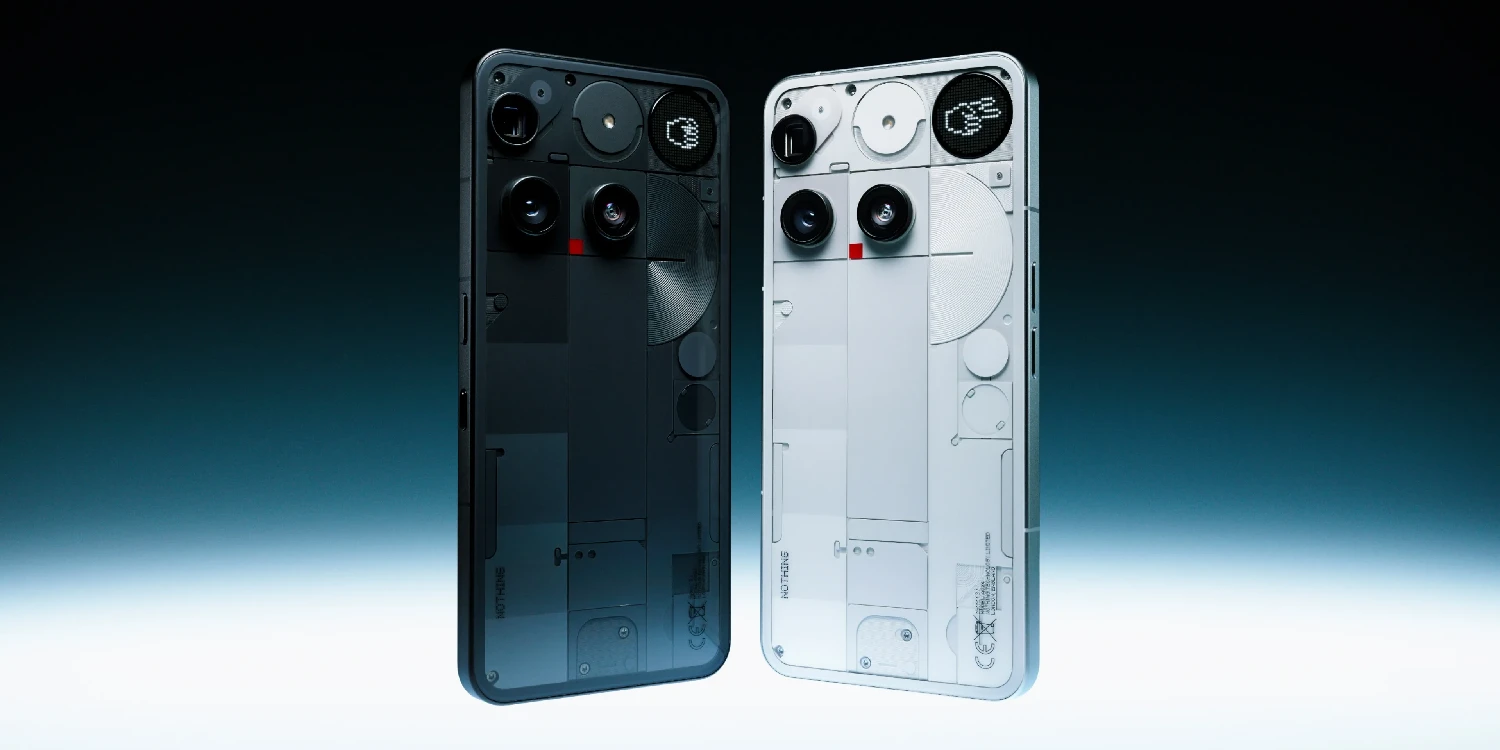
In contrast, this new design paradigm proposes a much more advanced and intelligent solution. Aluminum acts as a highway for energy, as it moves heat. over 150 times better than glass. The real magic lies in the synergy: the vapor chamber captures internal heat and immediately transfers it to the unibody chassis, which acts like a giant radiator. This eliminates thermal throttling and allows the device to maintain superior stability compared to the 80% in demanding games, operating at a substantially lower temperature under the same workload.
ADVERTISING
Weight optimization and industrial ergonomics
Weight is another area where metal proves this is the right approach. The Nothing Phone (3) tips the scales at 218 grams due to its heavy glass "sandwich" construction. The switch to unibody aluminum improves structural rigidity in a 42% and allows the overall weight to drop to... 210 grams.
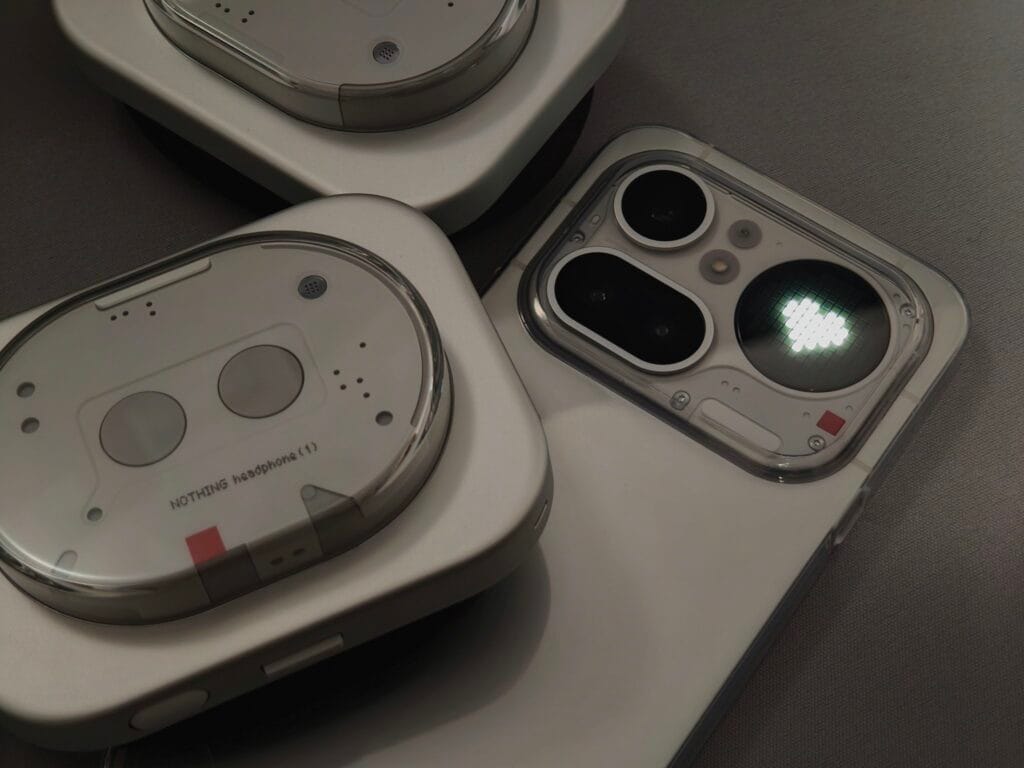
This weight reduction, combined with a slimmer profile, dramatically improves ergonomics, a vital factor now that the screen has grown to 6.83 inches. The aluminum protects the internal components from impacts and deformation much more effectively than glass. In my opinion, Nothing is prioritizing durability and everyday comfort, understanding that a "premium" product must be, above all, reliable and functional.
ADVERTISING
Are we looking at Nothing's new roadmap?
Nothing shows that he is aware of his evolutionIts greatest visual asset is also its biggest technical limitation. Transparency goes from being the centerpiece of the design to becoming a functional accent. However, they haven't lost their essence along the way: the iPhone (4a) Pro's camera module maintains that 100% Nothing DNA., being instantly recognizable in a sea of identical phones. It's a logical evolution: the Phone (4a) Pro inaugurates an architecture where performance shines alongside its design, although the latter is somewhat more restrained.
Are you enjoying this? You might be interested in this article:
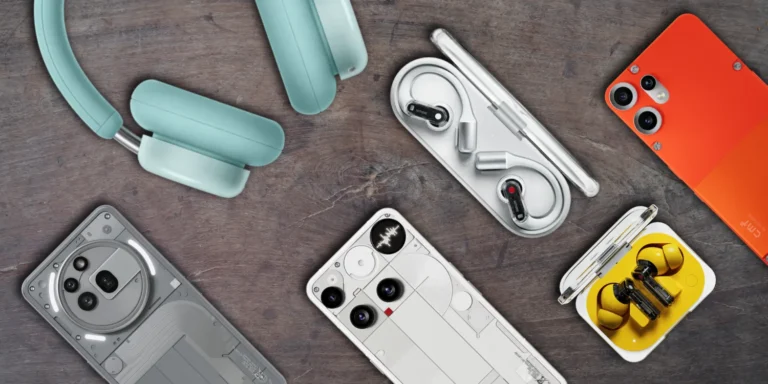
What you see (and what you don't) behind the glass of Nothing
Even so, this change opens up an interesting debate. Purist fans of the brand may feel that Nothing is becoming more "casual," moving away from the visual rebellion that set them apart. But... is it worth sacrificing technical improvements for the iconic design of the transparent panels?
I'd like to know what you think: Do you prefer a Nothing Phone that maintains its transparent aesthetic at all costs, or do you applaud this step towards technical efficiency? Let me know in the comments!



Leave a Reply