I'd been wanting to track my health data, and especially my sleep patterns, for a while, but I was frankly fed up with the limitations of smartwatches. After watching countless videos and reading countless articles looking for something different, I decided to try the Google Fitbit Air. A month later, I've realized that the best thing about this activity tracker isn't just how well it measures sleep, but precisely everything it lacks: the screen.
You already know that from time to time I talk about products that have nothing to do with Nothing , but that I've fallen in love with because of their uniqueness, design, or practicality. That's exactly what happened to me with the Fitbit Air.
In this "review" I'm not going to talk about how it tracks data, or whether it does it better or worse. There are already dozens of videos for that. Spoiler: it tracks pretty well according to several specialists who literally perform scientific tests to measure the effectiveness of its sensors. I'm going to explain my real reasons why it won me over.
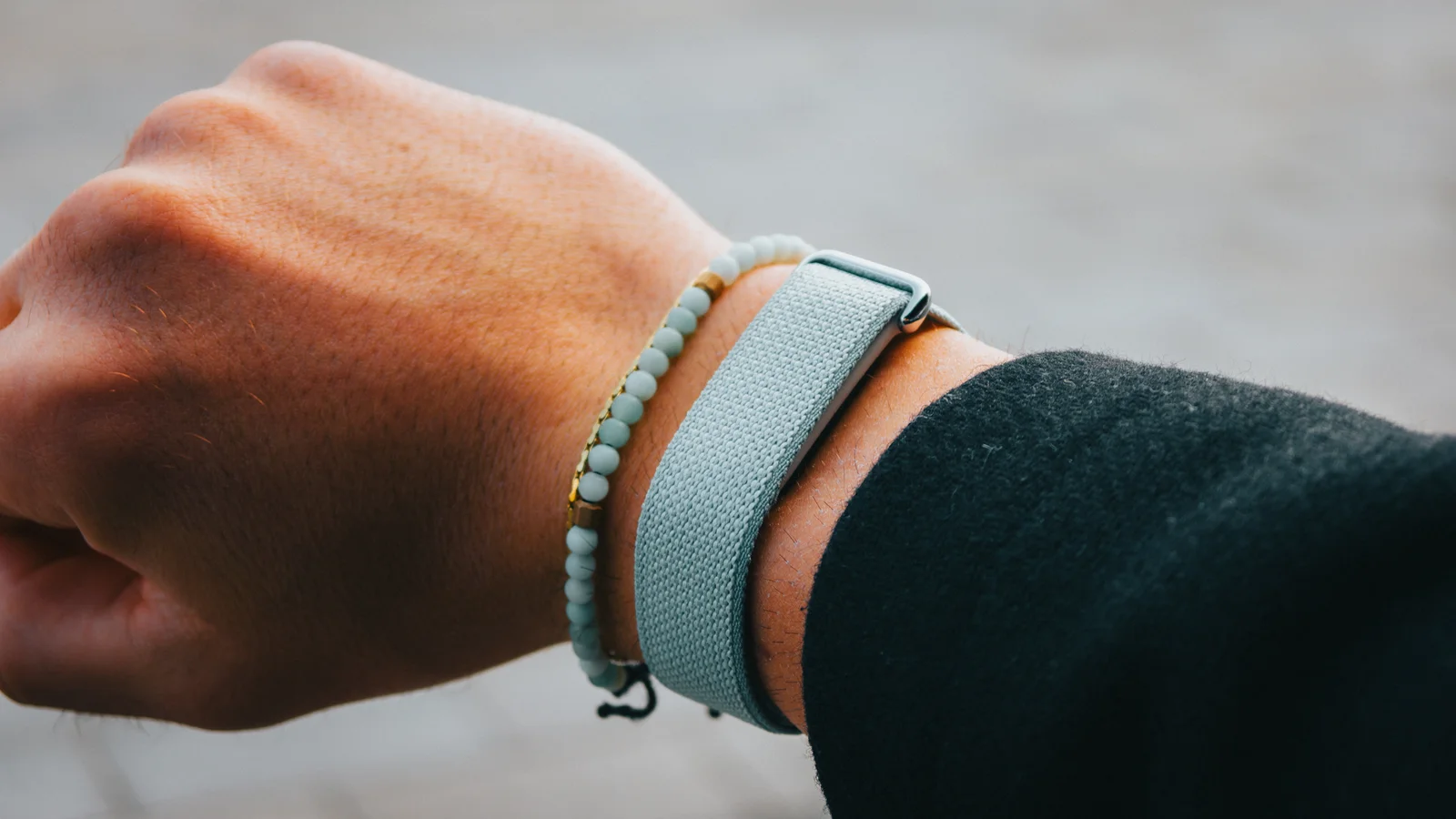
To put my old watches back on without losing a single piece of data
Those of you who know me know that I'm truly passionate about watches. However, I spent years tied to wearing a smartwatch on my wrist because if I decided not to wear it one day, I was left with a gap in my health and step data that annoyed me to no end. In the end, I had a small collection of watches gathering dust at home because I almost never wore them.
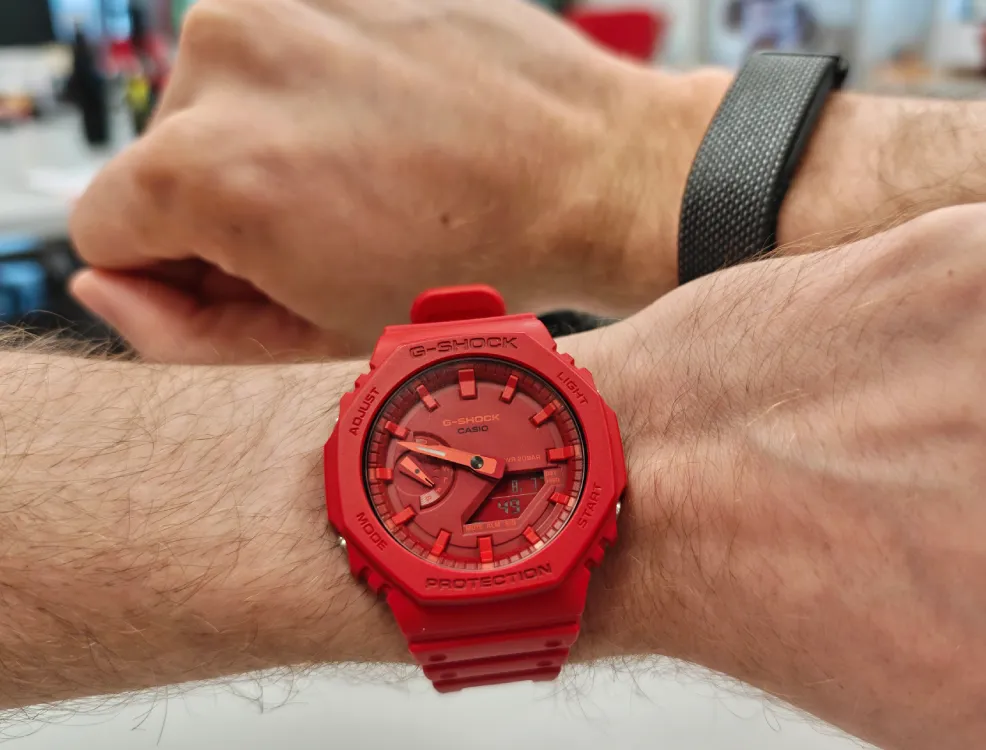
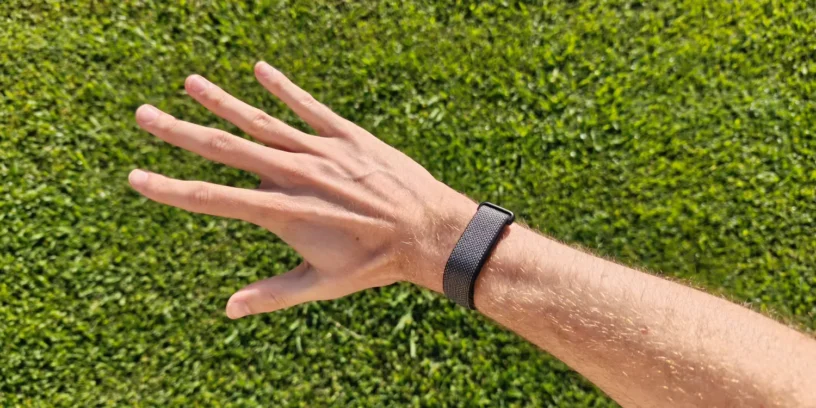
The Google Fitbit Air has been the perfect solution to this dilemma. Since it's such a discreet accessory, I wear it on my right wrist, leaving my left wrist completely free to wear whatever watch I like each day. Just being able to wear my traditional watches again makes the purchase worthwhile.
Real disconnection: zero noise
Another compelling reason for making the switch was the search for some digital peace. With a smartwatch, you inevitably fall into the usual trap: you activate notifications, calls, app alerts, and spend the day enduring a constant barrage of vibrations and constantly checking your wrist.
ADVERTISING
With this bracelet, you receive absolutely nothing. No calls, no messages, no alerts of any kind. For me, it's like wearing just another decorative item on my wrist that goes completely unnoticed.
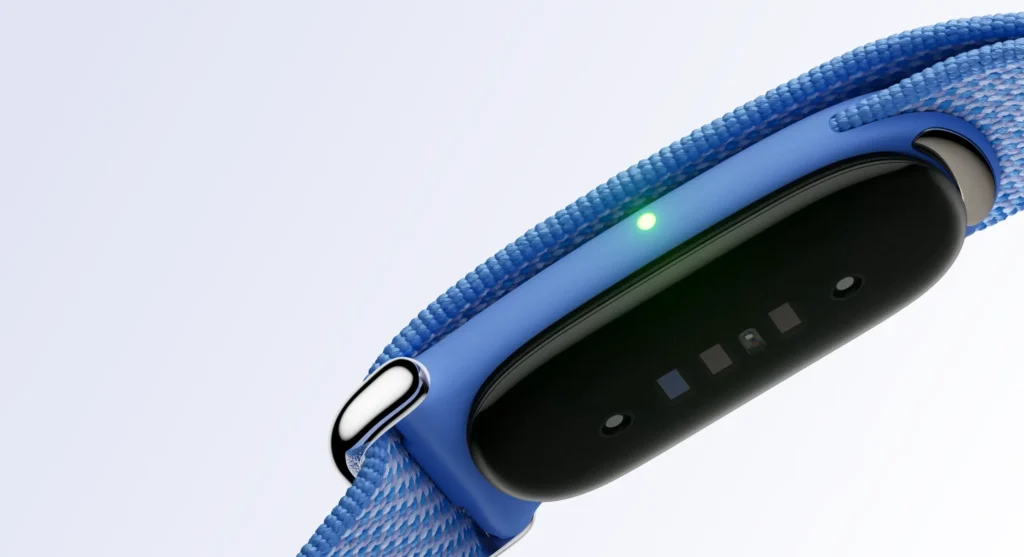
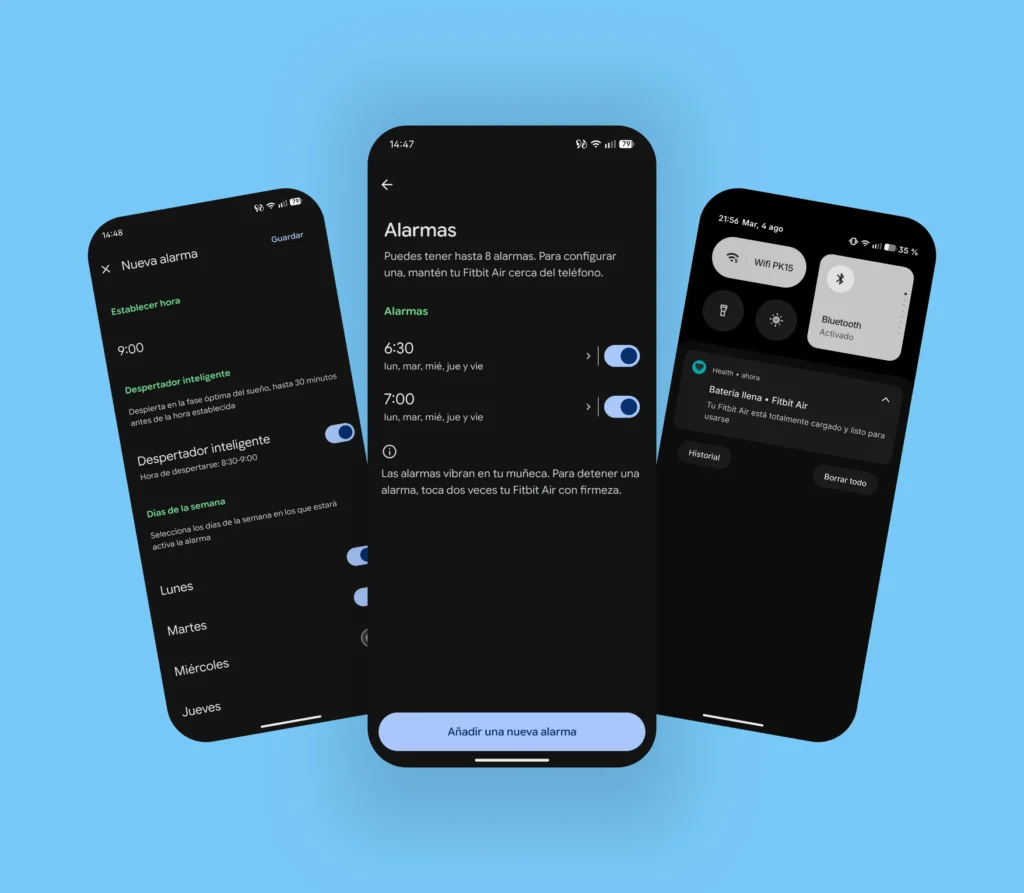
Interestingly, within this zero-interruption philosophy, there's one notification you will receive, and I think it's a brilliant touch: when you plug it in to charge and it reaches 100%, the app sends a notification to your phone to let you know it's ready to be put back on. It's a small thing, but incredibly useful for not leaving it behind on the table. Oh! And if you double-tap the band, a small LED on the side shows the battery's charging status without having to open the app.
Silent alarms
The only thing I ask for (and which is essential for me when buying a smart band or smartwatch) is that it has a vibration alarm. You set what time you want to wake up and the band alerts you with a vibration on your wrist (there are two intensity levels, I even use the lower one) so as not to disturb other people sleeping in the same room with typical loud alarms. This is the only "alert" it gives me all day long. If you add to this the essential notifications from my Nothing Phone, they make the perfect combo for disconnecting as much as possible from the digital world.
A snapshot of rest designed for real life
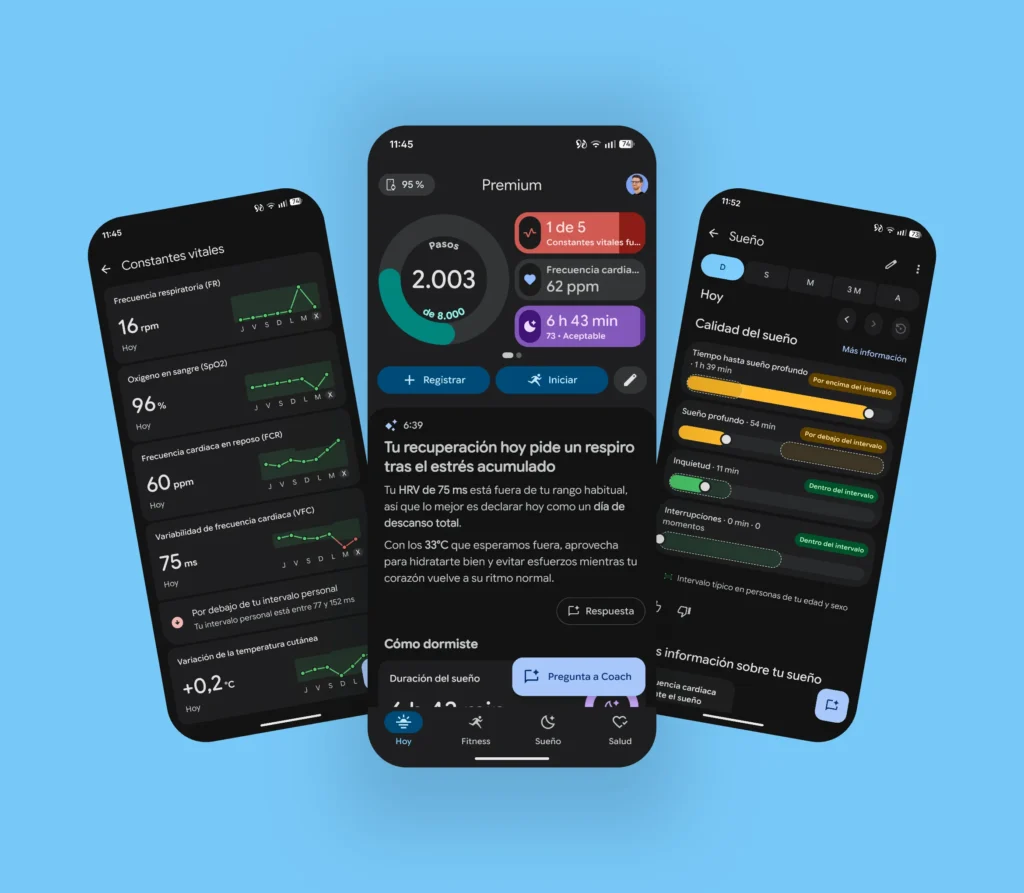
Beyond the basic count, what I'm finding truly amazing is how it interprets metrics like your status of recovery, the heart rate variability and the resting heart rate. I'm not someone who exercises a lot, but I do have quite a few family responsibilities and a young daughter who requires a lot of time and makes more than one night complicated.
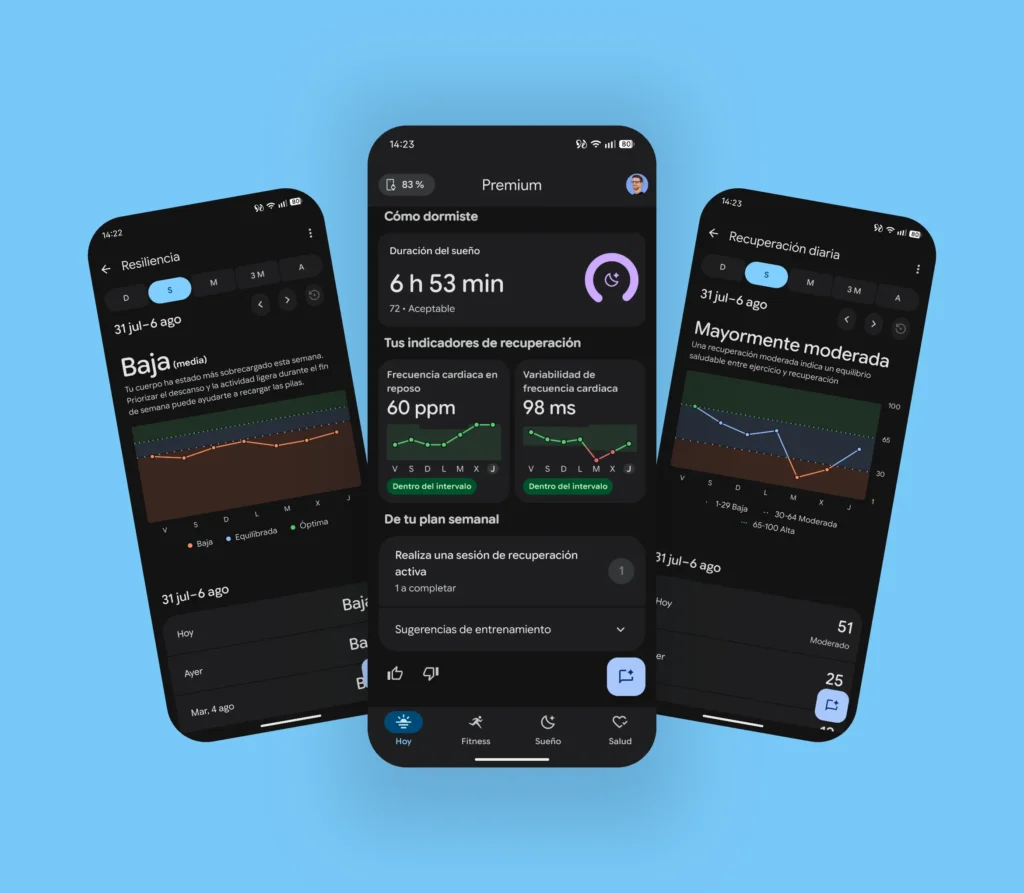
The bracelet perfectly captures those moments when you wake up in the middle of the night and gives you a pretty accurate reflection of how well you slept. When I see those recovery and resilience indicators plummet, I know exactly that I have to try to go to bed earlier that day to compensate. Seeing so clearly where my physical limits are helps me regulate myself day to day, and honestly, it makes a huge difference.
Comfortable and lightweight
In terms of ergonomics, it's also solved a personal problem for me. I don't like wearing watches that are too tight or too high on my wrist. I prefer them loose and close to my hand. However, the health sensors on any device need to be snug and positioned higher than the wrist bone to take accurate readings. Wearing a smartwatch that tight felt uncomfortable to me, but that's not the case with this band.
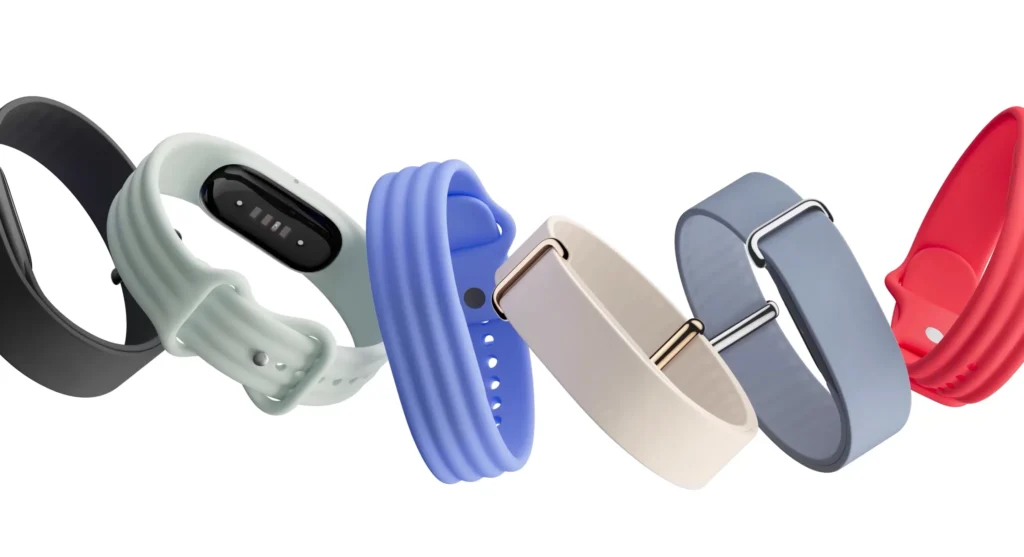
Being such a lightweight and compact product (it's almost half the width of a Whoop), I got used to it quickly, even though I didn't usually wear anything on my right wrist before getting the Fitbit Air. It feels like a simple, barely noticeable band, making it ideal for sleeping without you even noticing it's there.
A battery that will last you all week without breaking your records
Since it doesn't have a screen, the battery lasts about a week. Some might think it should last longer since it's not using energy for a panel, but considering how tiny and lightweight it is, I think it's a more than acceptable balance.
Furthermore, the charging routine doesn't interrupt the continuity of nightly measurements. Simply leave it charging while you shower or have breakfast occasionally. In just over an hour, it's back to 100% and ready to continue collecting data.
ADVERTISING
Who is the Google Fitbit Air for (and who isn't it for)?
At this point, it's worth making it very clear what type of product this is. If you're looking for an advanced sports device to map your outdoor runs without carrying your phone, this isn't the band for you, as it lacks built-in GPS and relies on your mobile's location to track routes. Nor should you consider buying it if you're interested in receiving notifications or having all your information right on your wrist.
It's designed for those seeking constant monitoring of their overall physical health and sleep, 24 hours a day. It's ideal for motivation, providing continuous analysis of how your physical condition is evolving, and raising awareness of your sleep habits, all while remaining discreet and in the background.
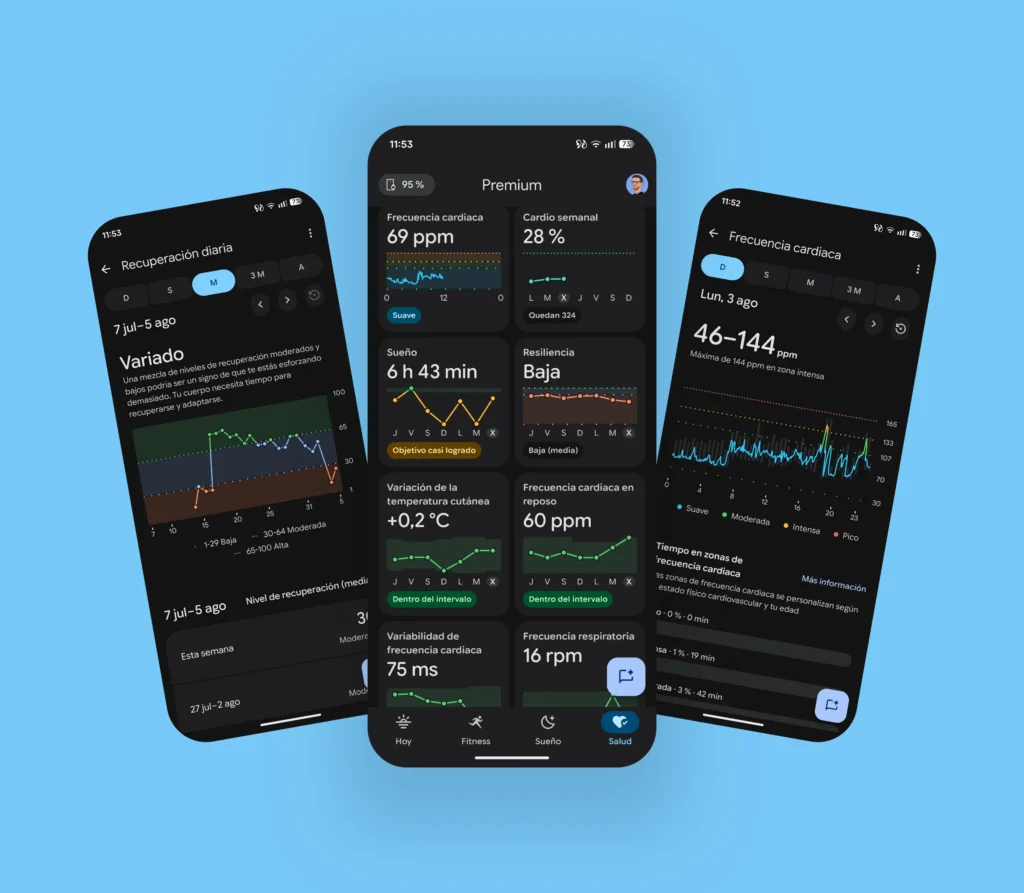
The Google Fitbit Air isn't a smartwatch, nor does it pretend to be, and criticizing it for not telling the time or displaying notifications shows a lack of understanding of its target audience. It's a device designed to silently monitor your health, provide a clear analysis of your fitness when you open the app on your phone, and, above all, give you back the freedom to wear any watch you like. If you're looking to disconnect from daily noise without sacrificing health data collection, it's a fantastic option.



José
I completely agree with your assessment. The only thing holding me back is that the most substantial metrics are only available with a paid subscription. It's true that six months are free, but… I'm keeping an eye on Garmin; they've released one that's twice as expensive (I'm keeping an eye on it for future discounts), and Garmin's measurements are among the best, from what I understand. I've owned a Fitbit, and if they offered what they offer in the six free months for a longer period, I would have bought it without hesitation. Thanks for the amazing work you do on this blog.
ruudhesp
Hey namesake! (I'm Jose too :P)
Just a couple of points, it's 3 free months of the AI Coach, not 6 months.
Essentially, the metrics and data it offers are the same with or without a subscription; the only difference is that you don't have the coach to automatically analyze data by asking questions, requesting training plans, etc. But the data itself is exactly the same whether you pay or don't.
Thank you for your message <3