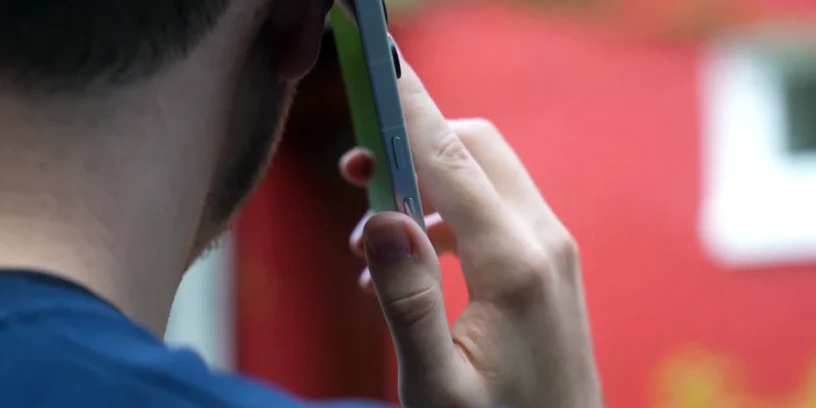
The Nothing brand continues to demonstrate that it has a clear vision: to offer an experience of software Minimalist, but with smart features that truly make a difference. The latest news we have about Essential Space This is a clear example of this approach: the call recording Direct. This function, which is activated simply by pressing and holding the "essential key", promises to give us back the peace of mind of not having to take hurried notes, allowing the user to "concentrate and be present in their conversation", while the phone takes care of remembering the important details.
However, behind this attractive functionality lies a big question for those of us who live in the Old Continent: Will Nothing be able to implement it in Europe without running into the strict regulatory framework? My opinion, based on experience and data, is that it is possible, but with nuances and caution.

Essential Space: Functionality and Initial Deployment
The rollout of call recording in Essential Space is an ambitious move. The brand has announced its launch for October 7th in key markets such as the UK, India, Japan, South Korea, the Philippines, Thailand, Malaysia, and Indonesia, and it will be available for the following models: 3, 3a and 3a Pro. The mechanics are remarkably simple: simply hold down the Essential key during a call to start recording. This is a nod to Nothing's philosophy of making things easy and accessible, and a clear added value for those who need to document conversations, whether for professional or personal reasons.
The promise that "Essential Space remembers the details" goes beyond a simple audio file. Presumably, Nothing will integrate a smart transcription or summary, which would make the feature a truly powerful productivity tool. However, the fact that Europe is excluded from this initial launch leads us directly to analyze the legal hurdle.
The European legal barrier: mutual consent vs. one-party consent
The big obstacle in the way is the privacy and data protection regulations of the European Union, in particular the General Data Protection Regulation (GDPR), in addition to specific national legislation. The key to everything lies in the difference between the one-party consent and the consent of both parties.

In countries like Spain, the jurisprudence of the Supreme Court establishes that it is legal Recording a conversation in which one is a participant, without needing to inform the other party, is permitted as long as the recording is not shared with third parties (which would constitute a crime of revealing secrets or violating the right to privacy). In other words, in Spain, the consent of one party (the one recording) is sufficient.
Nevertheless, Google (the owner of Android, the basis of Nothing OS) has historically adopted a much more restrictive stance globally, and especially in Europe, for fear of legal ramifications in countries with laws of consent of both parties. In many European jurisdictions, and especially under the spirit of the GDPR, it is required to explicit consent of all participants to process their personal data (including their voice).

The possible solution: notice to both parties
This is where a solution already adopted by other manufacturers and Nothing itself in some regions comes into play: the notice to both parties. According to Nothing's own documentation, in many jurisdictions where authorization from both parties is required, both parties are notified that the call is being recorded. This is typically done with a audible beep or a voice message at the beginning of the recording.
If Nothing implements a two-way notification system—that is, the other person hears a clear message like "This call is being recorded" right when the essential key is pressed—, The legal risk in Europe is considerably minimized. This mechanism turns silence and the continuation of the call into a Implied passive consent, which may be sufficient under certain interpretations of the GDPR, especially if accompanied by a clear legal basis (such as the "legitimate interest" to document a verbal agreement, provided that the interlocutor's interest in privacy does not prevail).
If you want to stay up to date with the latest news from Nothing, Follow me on Twitter/X.



Eric Roda
I believe that notifying both parties severely limits the primary function of call recording, which, in my view, is to allow the person recording to verify information without the other party being able to knowingly distort the communication. I don't think that should be the solution.
ruudhesp
I agree, Eric. I think the idea behind Nothing is to record calls to help you synthesize or organize ideas you've discussed, rather than recording them for your own security.