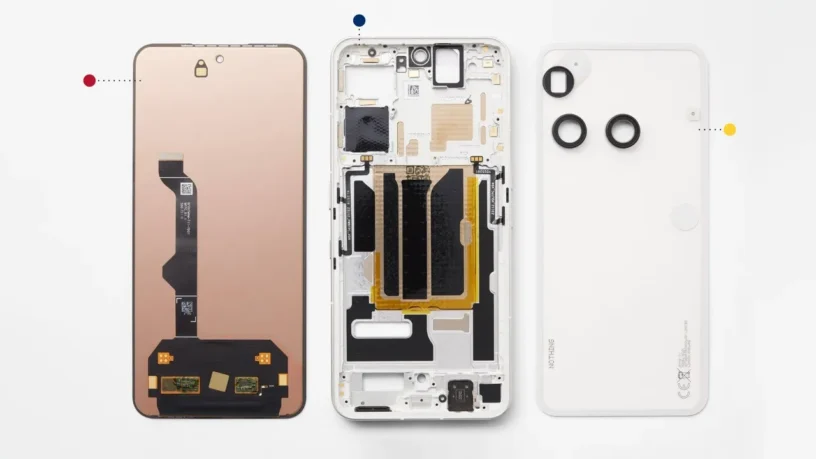


Carl Pei has recently shared an analysis about the current state of the mobile industry, which serves as a warning for the global market. According to the founder of Nothing, 2026 represents a historic turning point: the business model based on the The annual reduction in component costs has ended. This situation is forcing brands to rethink their pricing and hardware strategies.
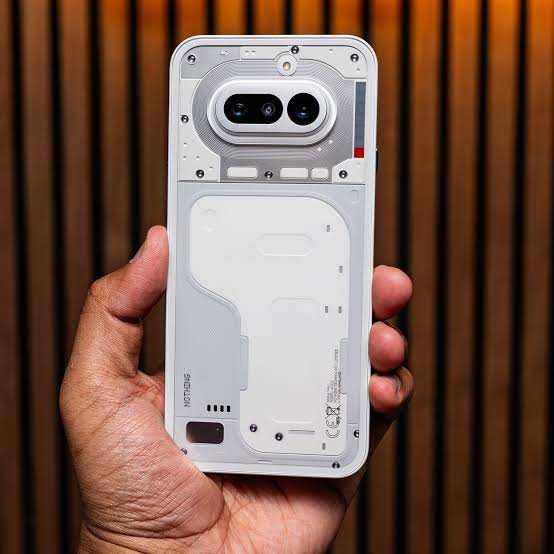
The impact of artificial intelligence on hardware
The main cause of this structural change is not found in phone factories, but in data centers. The explosion of Artificial intelligence has generated a massive demand for memory., This directly competes with the production capacity of silicon wafers destined for smartphones. For the first time in fifteen years, mobile phone manufacturers cannot assume that storage or RAM will be cheaper than the previous year.
The data presented by Carl Pei They are conclusive: Memory costs have tripled In some cases, components that historically remained below $20 are now climbing towards the $100 in high-end models. This creates a scenario where memory becomes the determining factor in the total manufacturing cost.
ADVERTISING
Nothing's response and the price adjustment
For Nothing, this supply crisis has direct consequences for its product catalog. The company has confirmed that Prices will increase across their entire portfolio. of smartphones. A concrete example is the product upgrades during this first quarter to standards such as UFS 3.1, This technical improvement, combined with silicon inflation, will impact the final sale price.
Unlike large conglomerates that rely on volume and winning the "spec war," Nothing tries to position this obstacle as an opportunity. The brand has operated from its inception without the economies of scale of the tech giants, which has forced them to prioritize software and visual identity. In a market where components are prohibitively expensive, the added value through design becomes the main differentiator.

A market with fewer options and higher prices
When Carl Pei mentions that the low and mid-range segments could be reduced by a 20%, he is referring to a forced contraction of supply. Manufacturing budget phones is no longer profitable. If the cost of memory rises dramatically, brands can no longer sell a device at competitive prices without losing money. This will cause... Many models will disappear from the catalog or that their prices automatically rise to the next level.
As a result, consumers will find themselves in a much more limited market. Brands that based their entire strategy on offering "lots of gigabytes for a low price" will no longer be able to maintain that position. By 2026, the mid-range market as we knew it will be obsolete. endangered, pushing users towards more expensive models or towards devices with reduced technical specifications.
ADVERTISING
The end of the spec race
This scenario marks the end of an era where raw performance was the main selling point. If hardware costs continue to rise, the industry will be forced to compete exclusively on the quality of user experience and in software optimization. For Nothing, this paradigm shift is the arena where they hope to solidify their offering against a competition that now needs to learn to sell more than just numbers in a box.




Leave a Reply