
I've almost always been loyal to clear cases. When you have a device with the aesthetics of the Nothing, it's only natural to want to show off its design and its light show. But, folks, there's an elephant in the room, and it's time we talked about it frankly: sooner or later, ALL clear cases that actually protect your phone are going to yellow.
In my articles I usually recommend the Spigen transparent options because they fit like a glove and are the ones that take the longest to degrade. They generally start losing their crystal-clear tone at the edges after six months, and by a year, that yellowing is more than evident. That said, if I compare them to other, cheaper alternatives that turn completely yellow in just two or three months, there's no contest; Spigen wins hands down, even though it suffers the same fate in the long run. However, tired of having to pay for a new case every year, I've decided to give the ZeroOne design another try, an old acquaintance I already used back in the day with the Nothing Phone (2).
ADVERTISING
Goodbye to true transparency, hello to layered design
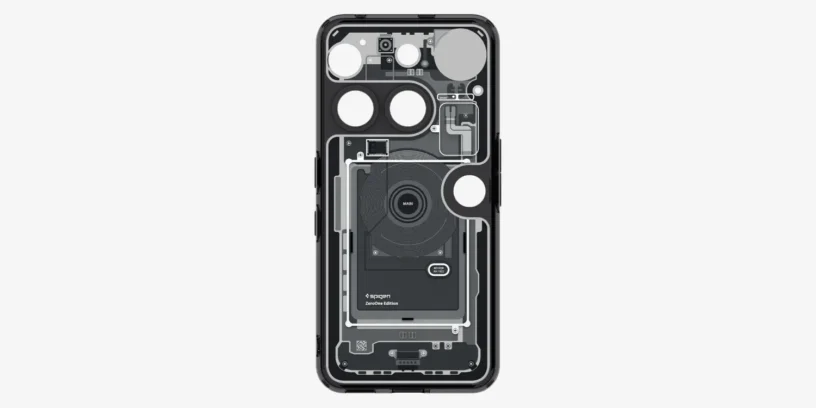
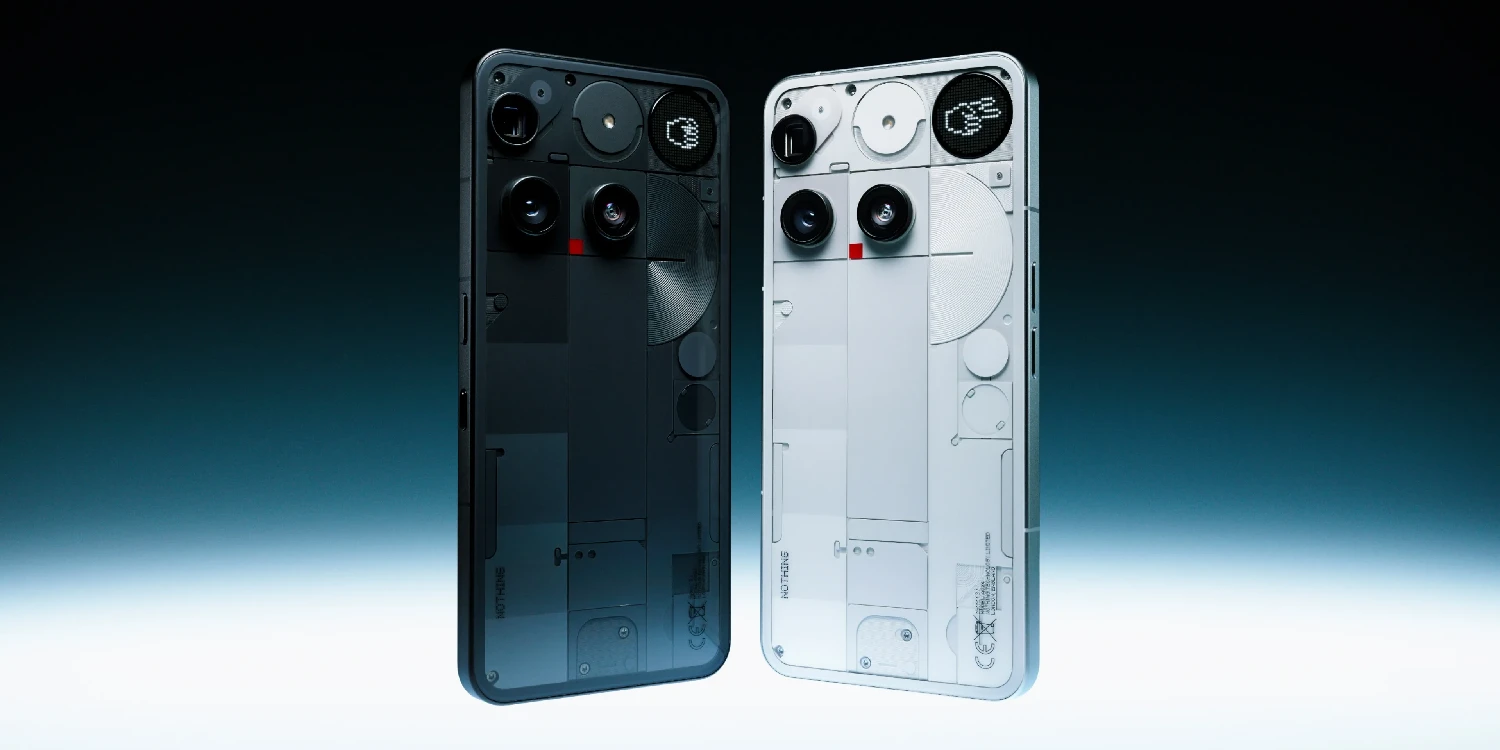
By attaching the Spigen Ultra Hybrid ZeroOne, we lose the brand's official transparencies, but we gain a printed design that spectacularly simulates them. It's remarkable how they've achieved such a striking depth effect using different layers of printing on the back. I know that die-hard fans of the original Nothing design will consider this a true sacrilege. I myself have my doubts because I sometimes miss the clean look of the bare phone, but I can't deny that these "new" simulated transparencies have tremendous appeal.
📱 Buy Spigen ZeroOne case for the Nothing Phone 3 – Click here
The real strength of this case is that it DOES NOT yellow. To understand this, you need to know that most cases combine two materials: polycarbonate (PC) on the back—which withstands the test of time perfectly—and thermoplastic polyurethane (TPU) on the edges and delicate areas like the cameras. This is where the problem lies, since transparent TPU always degrades. It doesn't matter if they promise anti-yellowing technology; it will happen eventually. What makes the Spigen ZeroOne different? Its TPU areas are tinted a matte black. When the material starts to degrade, the tint itself will hide the yellowing. Thanks to this, you get an accessory that will easily last the entire lifespan of your smartphone.
Impressions after several weeks of use
Using a case like this also brings some changes to your daily experience with the device. On the plus side, the grip is excellent and it's slightly less slippery than the brand's conventional clear cases. Furthermore, the button construction is impeccable; they maintain a firm and very satisfying click. You also won't have any compatibility issues, as it works perfectly with wireless charging and respects the Glyph Matrix without obstructing any of the rear light strips. It's worth noting that this particular model doesn't include Spigen's OneTap (MagSafe) magnetic technology, so it's focused purely on traditional protection.
ADVERTISING
On the other hand, you should be aware that the phone feels noticeably heavier due to the robust materials. Finally, I confess I was a little worried about how it would look combined with my Nothing Phone (3) in white, fearing the change would be too drastic. However, the reality is that the contrast between the dark chassis of the case and the white background and the details of the Glyph interface looks great, giving it a very mature, industrial feel that perfectly complements the essence of the brand.
📱 Buy Spigen ZeroOne case for the Nothing Phone 3 – Click here

Leave a Reply