Nothing's smartphone ecosystem gains a new member with the arrival of the Nothing Phone (4b), a device that officially inaugurates the "b" series« And it arrives as the new affordable entry point to the brand. This device inherits aesthetic and functional elements from the higher-end models in the (4a) series, with the aim of democratizing the experience of Nothing OS. However, venturing into the entry-level range involves accepting a series of limitations and technical compromises that should be analyzed in detail.
Recognizable design: unibody polycarbonate body
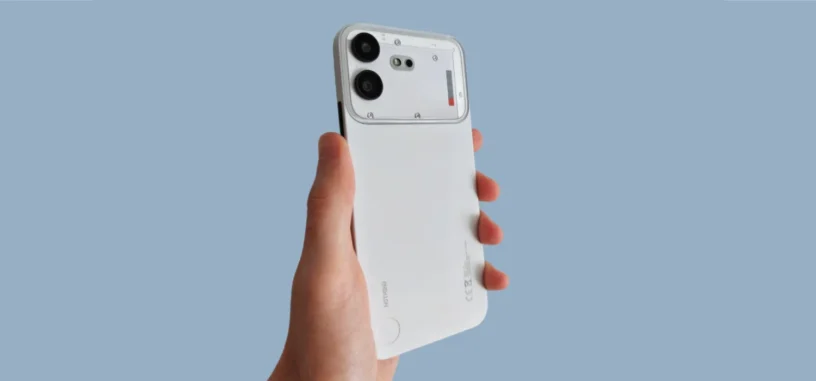
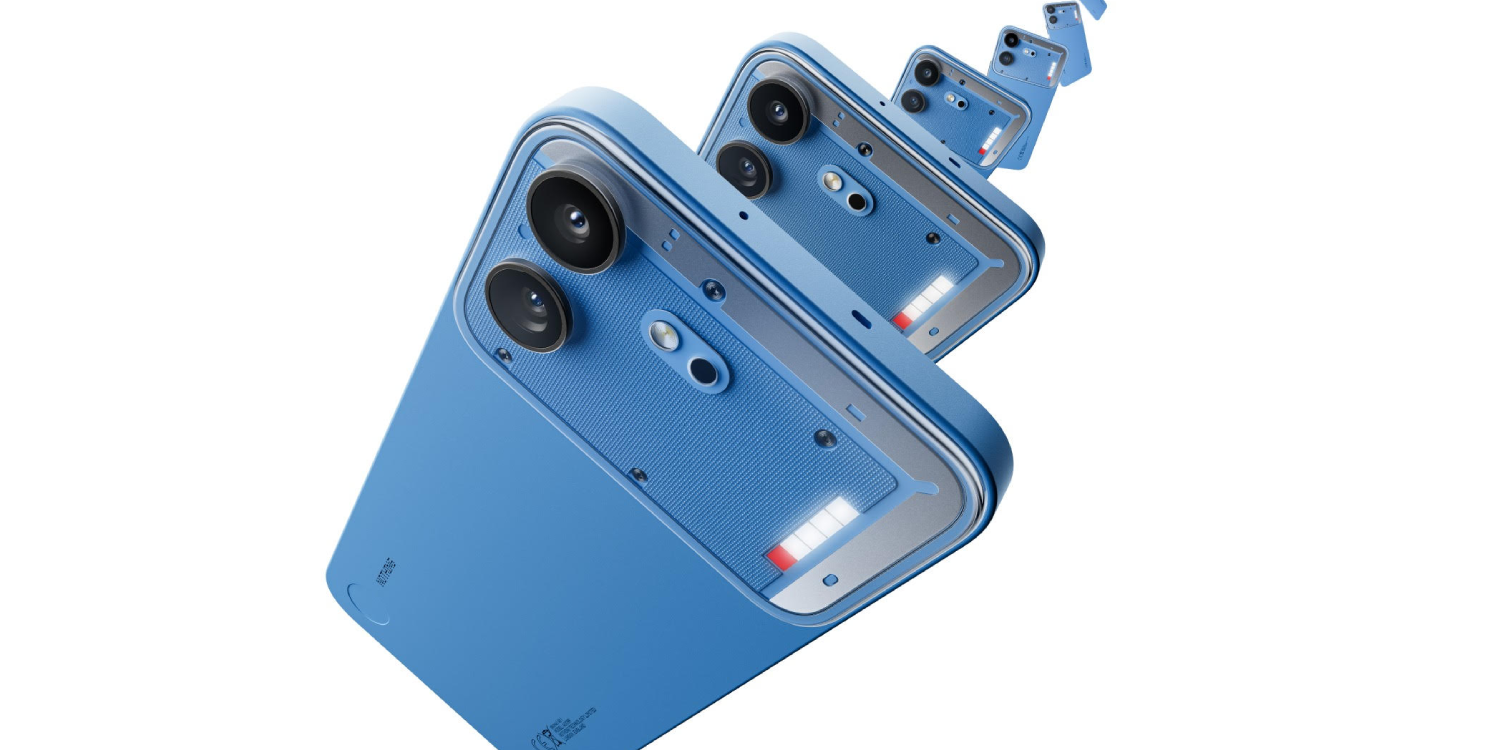
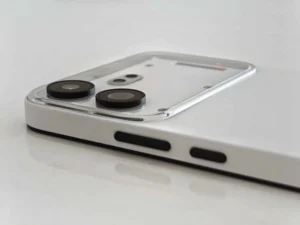
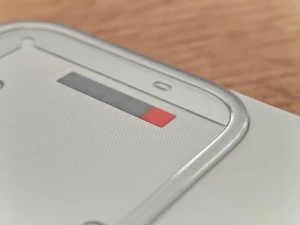
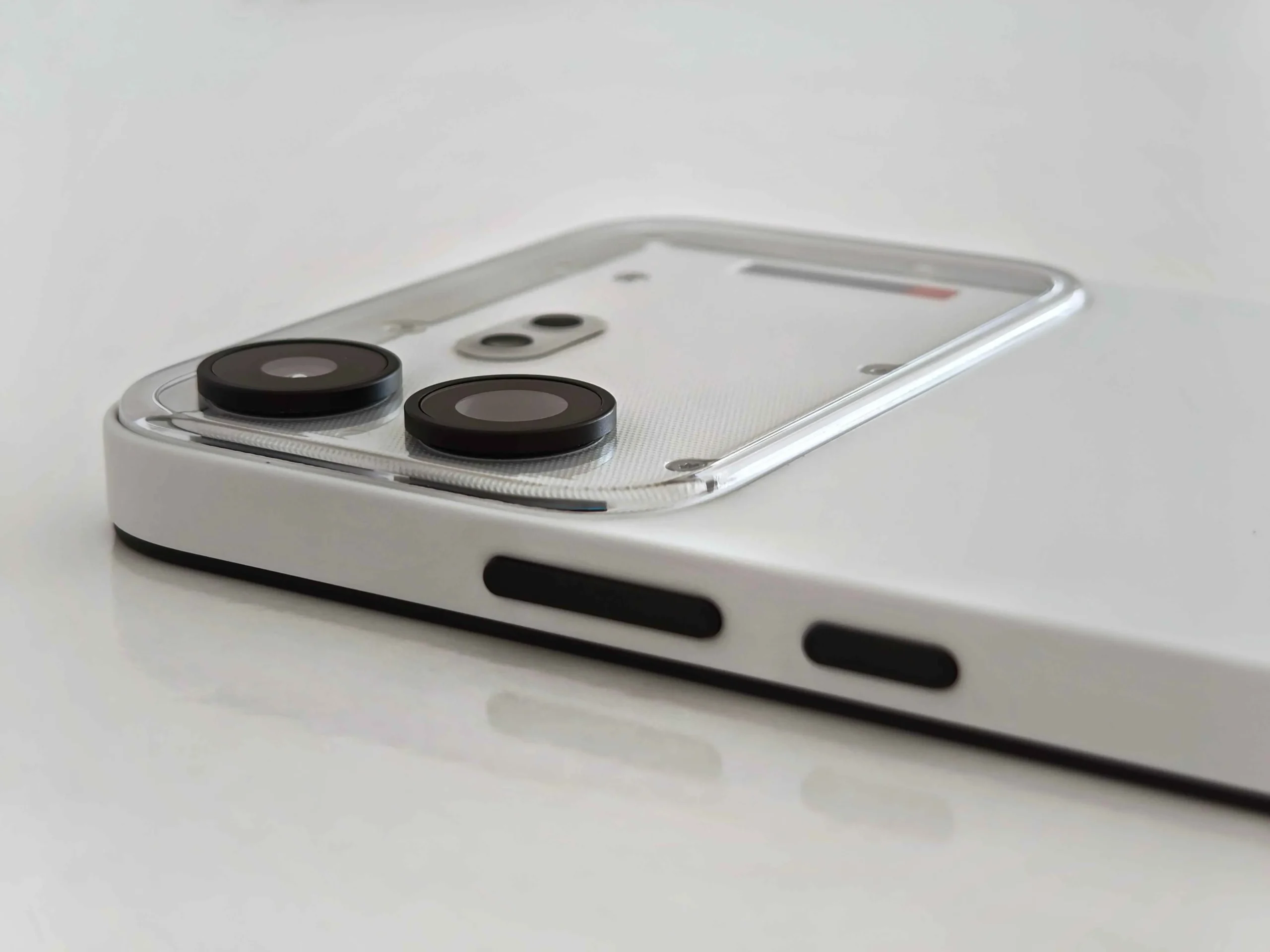
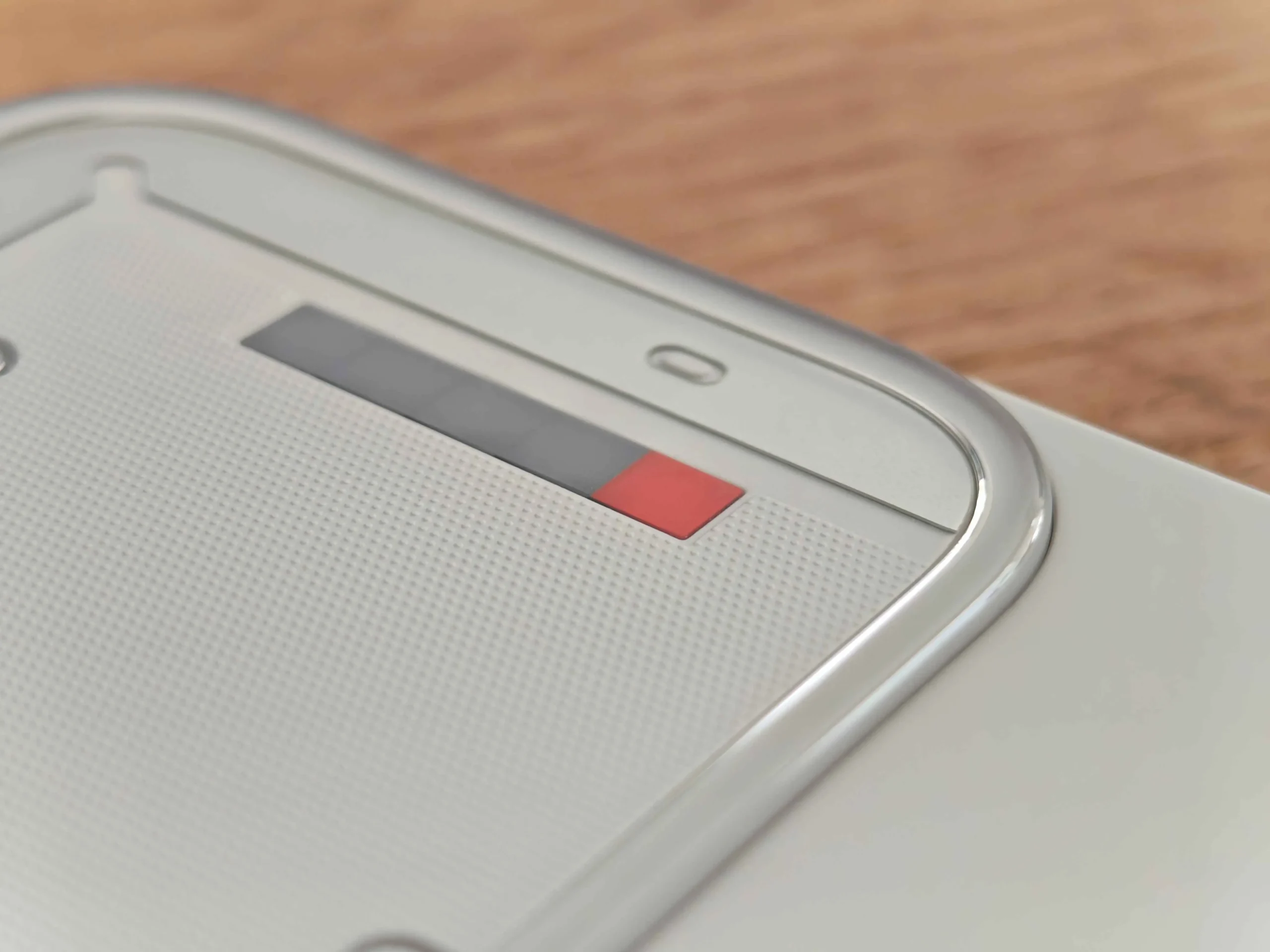
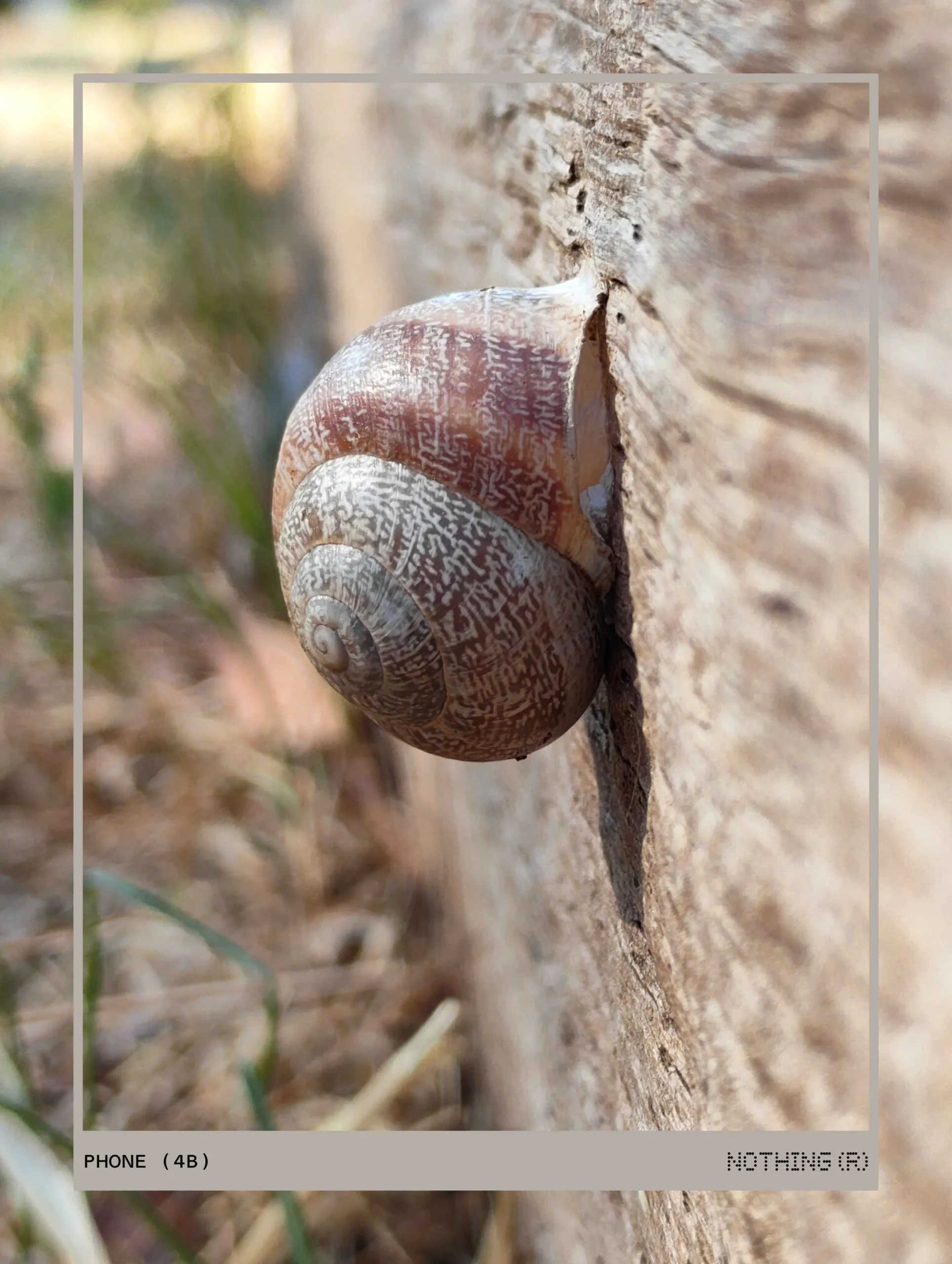
Aesthetically, the Phone (4b) directly blends the unibody design of Phone (4a) Pro and the Glyph Bar simplified of Phone (4a). In terms of materials, it features a unibody construction polycarbonate it's highly durable and features three layers of protection (primer, color, and UV topcoat) to minimize fingerprints. After testing it for a few days, the feel in the hand is really pleasant, very smooth, especially if you decide to use it without a case.
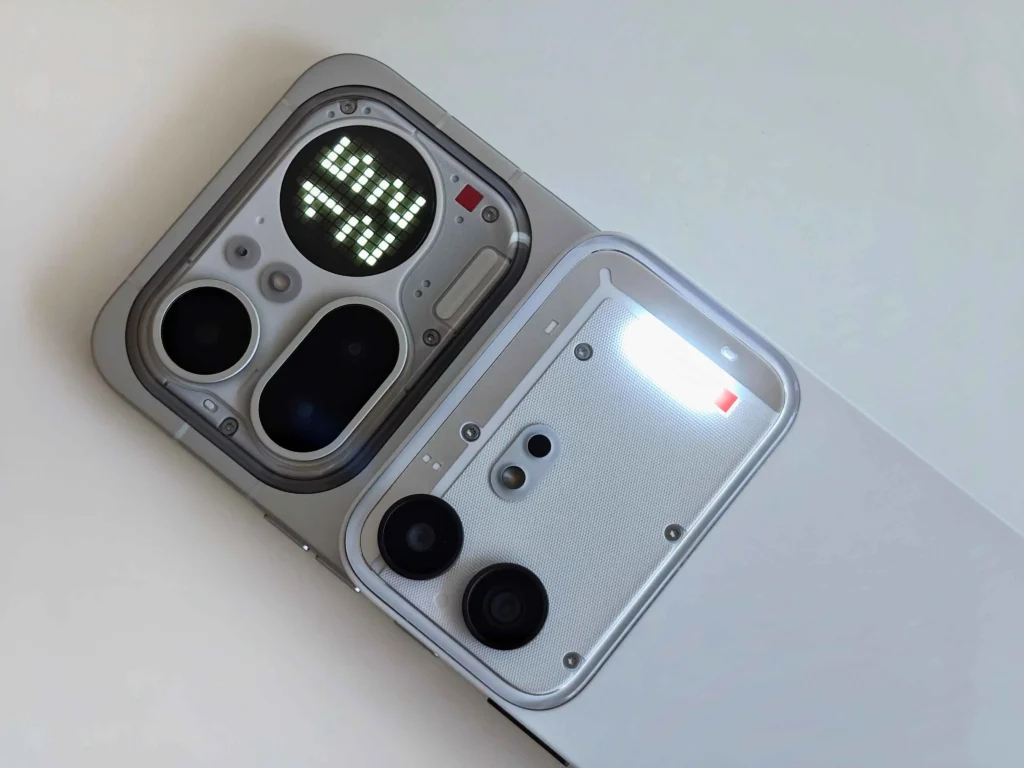
Although the finish mimics the brand's signature transparency, its design is flatter. In my opinion, the design prioritizes ornamentation this time. It boasts a fantastic finish, but embraces a clearly simpler and more minimalist approach. It doesn't appear to have a multi-layered camera module, unlike the iPhone (4a) Pro, which is noticeably more prominent upon closer inspection. Furthermore, the phone features a purely plastic build with certification IP64. This means it's dust and water resistant. It weighs 210 grams, making it a relatively substantial phone to hold.
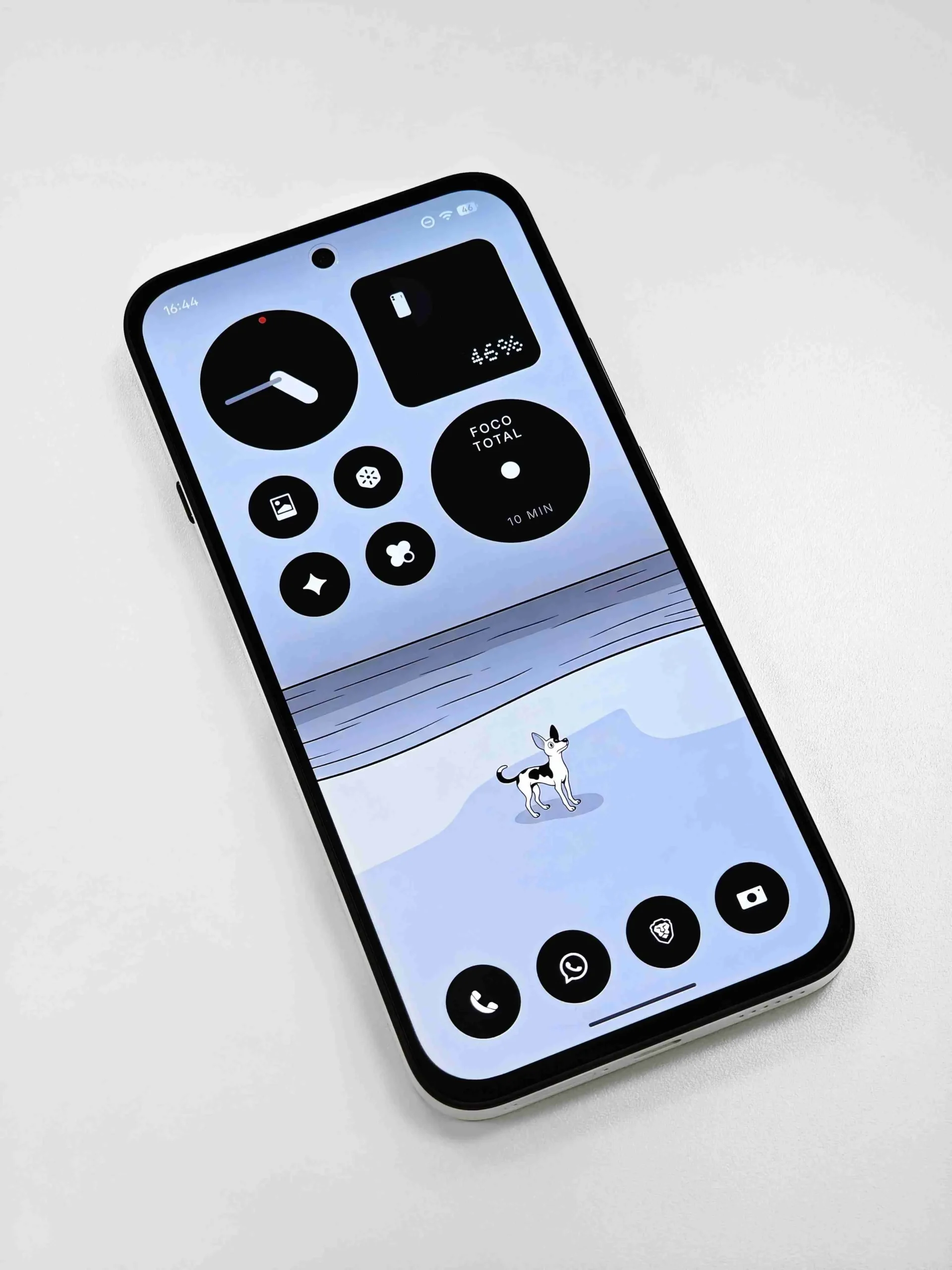
On the front we find a panel Samsung Super AMOLED rigid 6.77-inch display with Full HD+ resolution (2344 x 1080 pixels) and an adaptive refresh rate of 120 Hz, with a lower pixel density than the (a) range and an asymmetrical bezel at the bottom. The screen reaches a peak brightness of up to 2000 nits and offers a PWM frequency of 480 Hz to reduce eye strain.
Audio: a carefully crafted section
Nothing integrates into the Phone (4b) two high-definition stereo speakers which achieve a clear and balanced sound. It also features 160 levels of volume control, allowing for much more precise adjustments than conventional systems and making each volume change feel natural. Without a doubt, the device offers a remarkable audio experience.
ADVERTISING
The burden of RAM memory: Carl Pei's prediction
At the heart of the device operates the processor Snapdragon 6 Gen 4, A Qualcomm chip manufactured in a 4nm process by TSMC that offers solid performance for everyday tasks, social media and moderate gaming, backed by a 4400 mm² vapor chamber to manage temperatures.
However, the performance section runs headlong into a severe limitation that the company's CEO, Carl Pei, himself acknowledges, he already anticipated it at the timethe direct impact of exorbitant memory component prices on the global market. To keep the terminal's cost within a reasonable price range, the Nothing Phone (4b) has to resort to slower technologies.
The device implements RAM memory of type LPDDR4X strictly limited to 8 GB, without offering the option to purchase variants with greater hardware capacity, and combines it with a mass storage type UFS 2.2. This configuration will reduce transfer and read/write speeds compared to current mid-range standards, affecting the smoothness of intensive multitasking in the long run and impacting the phone's lifespan. Ultimately, these technical compromises are the price to pay for placing the device at the lower end of the market, at 329 euros.
Cameras and autonomy: technical pros and cons
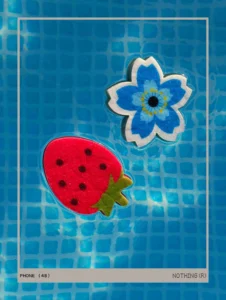
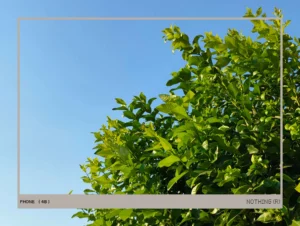
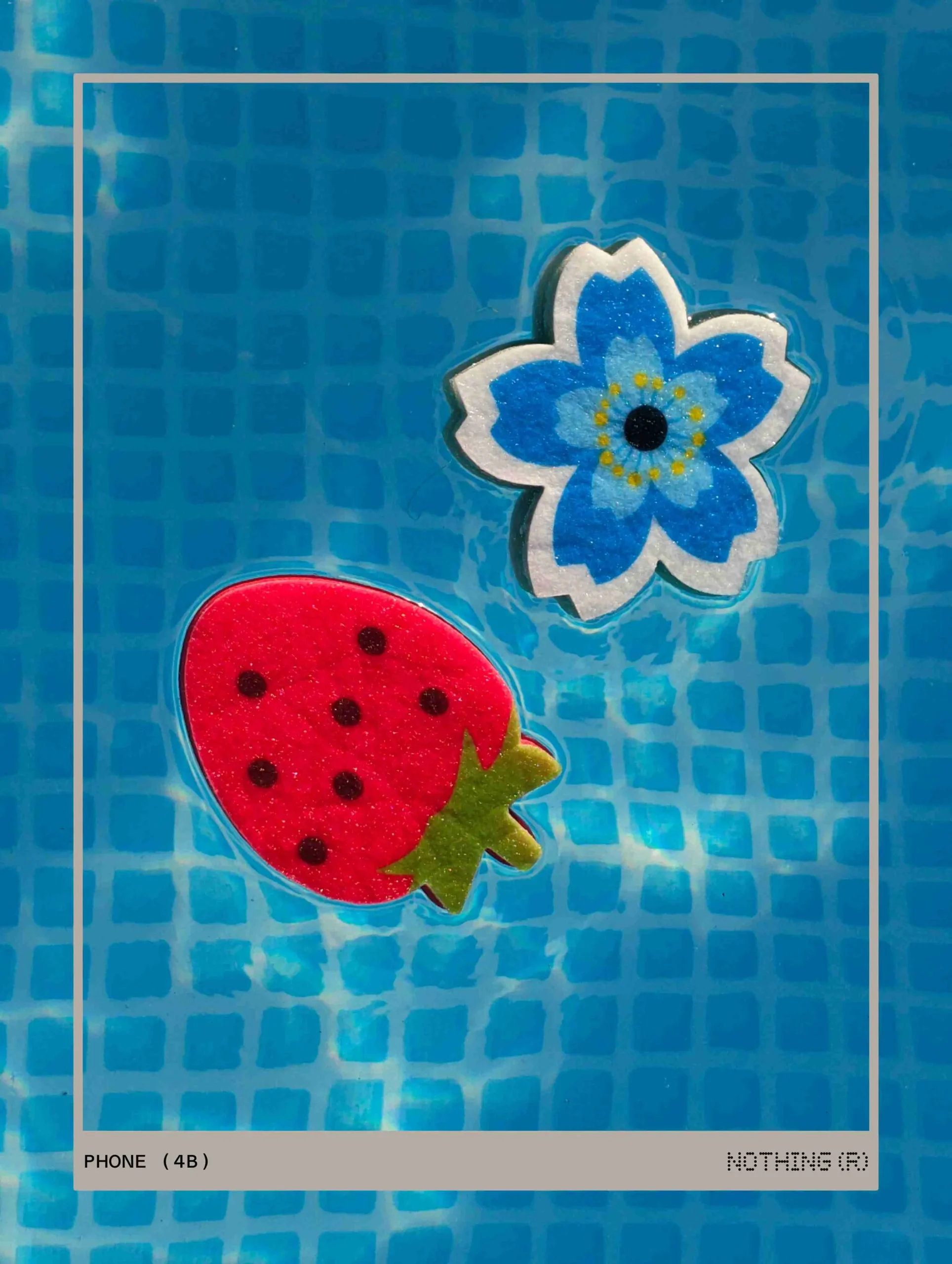
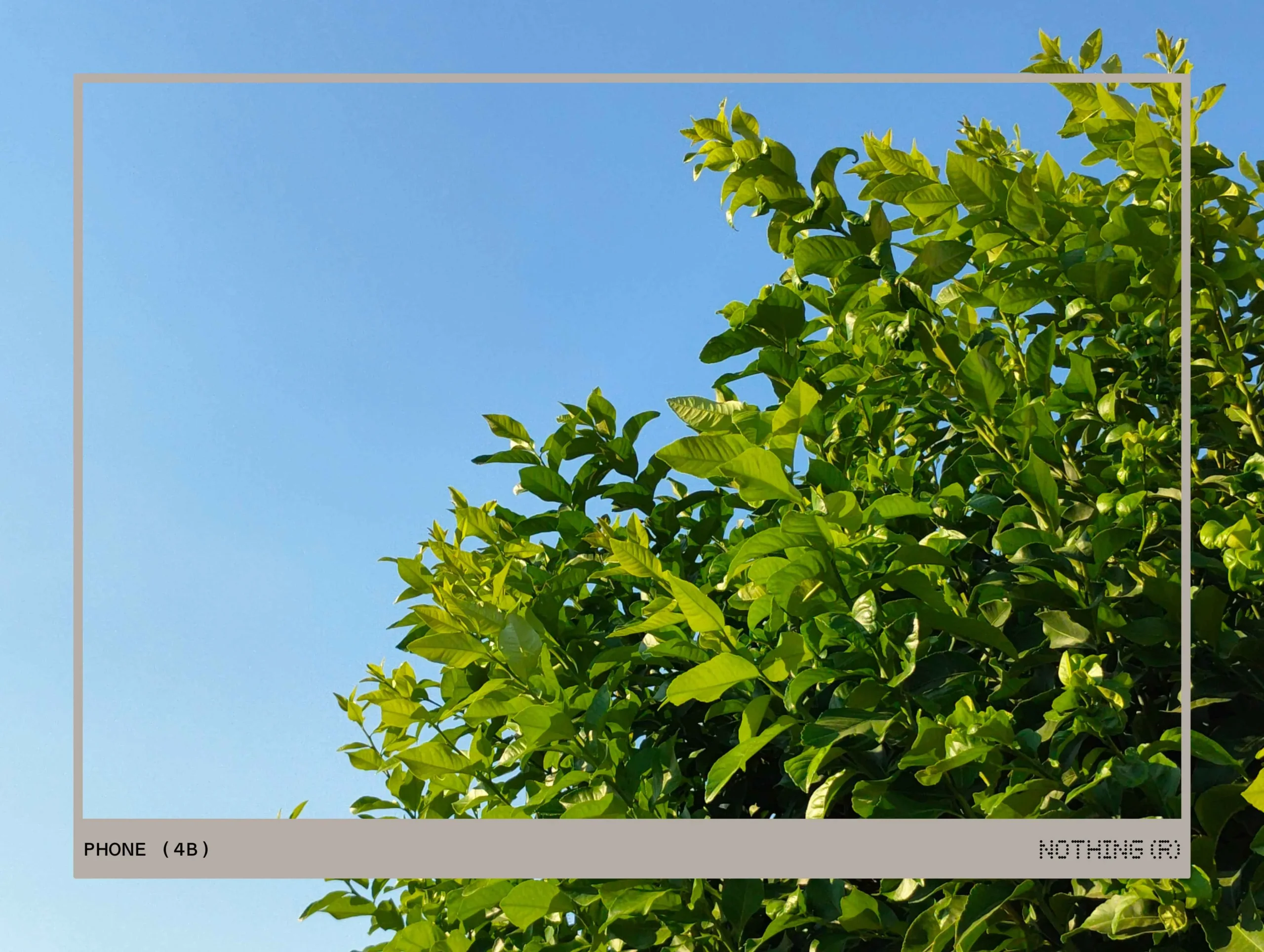
The iPhone 4b's rear camera system features a noticeable contrast between its two lenses. The main camera uses a sensor Samsung 50 MP with an f/1.8 aperture that features optical and electronic image stabilization (OIS + EIS), capable of recording video in resolution 4K at 30 fps. This sensor takes advantage of the TrueLens Engine 4 processing engine and the Ultra XDR algorithm that Nothing developed in collaboration with Google. Conversely, the secondary ultra-wide-angle camera suffers a very drastic reduction (which we already saw in its larger siblings), leaving it with barely 8 MP with a small 1/4″ sensor, sharpness will be compromised and noise will be introduced in complex lighting situations or indoors. The front camera boasts a 16 MP sensor.



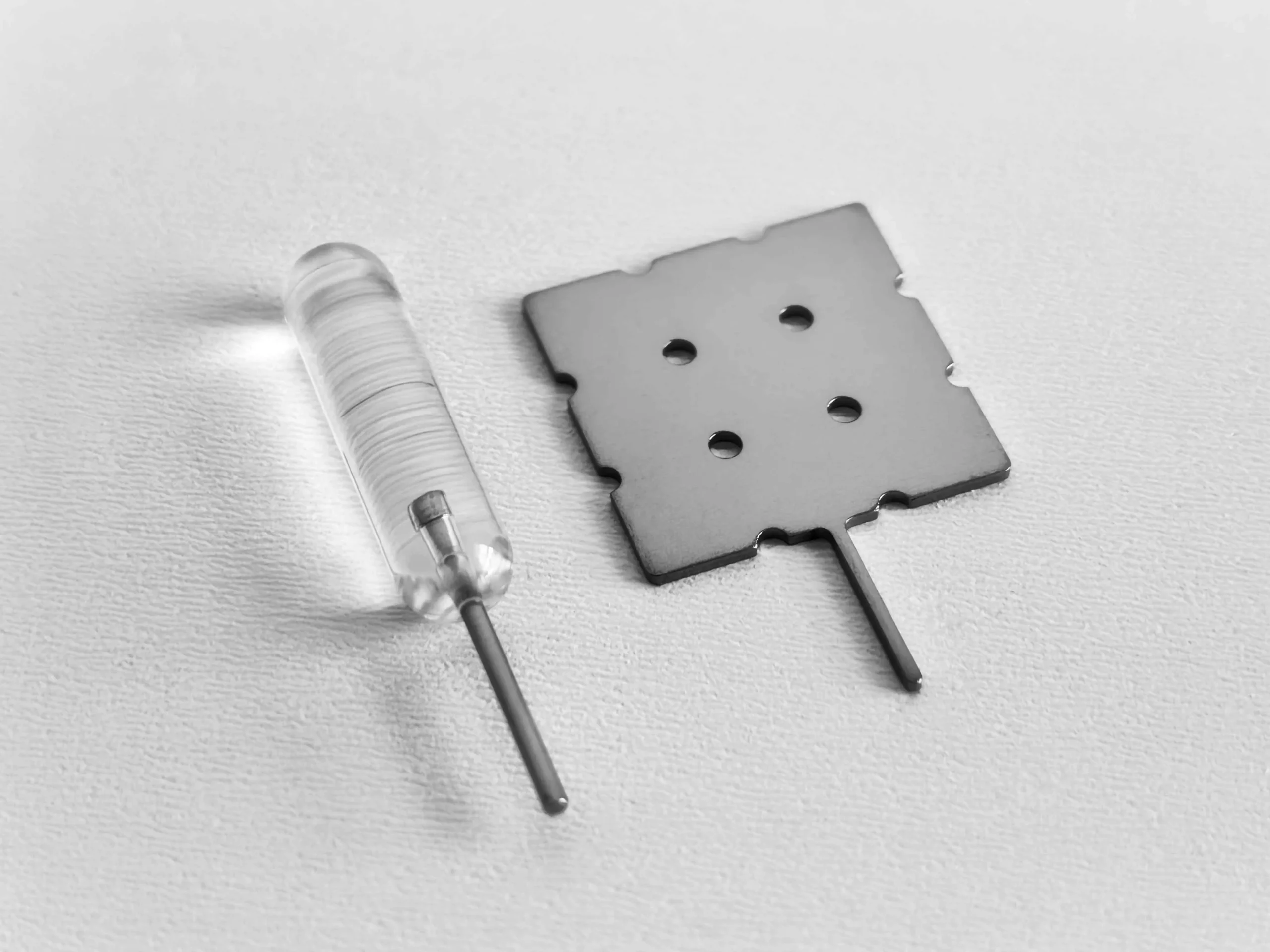
Regarding autonomy, the global version incorporates a battery of 5200 mAh (which reaches 6000 mAh exclusively in the Indian market). Thanks to the processor's efficiency, the device promises extensive daily usage figures. The charging power reaches 33 W, It takes about 80 minutes to fully charge the 1-to-100%. On the other hand, it's appreciated that it includes a protective case and a pre-applied screen protector, items that other brands tend to omit. As a curious detail, they've replaced the SIM eject tool; it's gone from being transparent to having a flat metal base.


Software and creative features
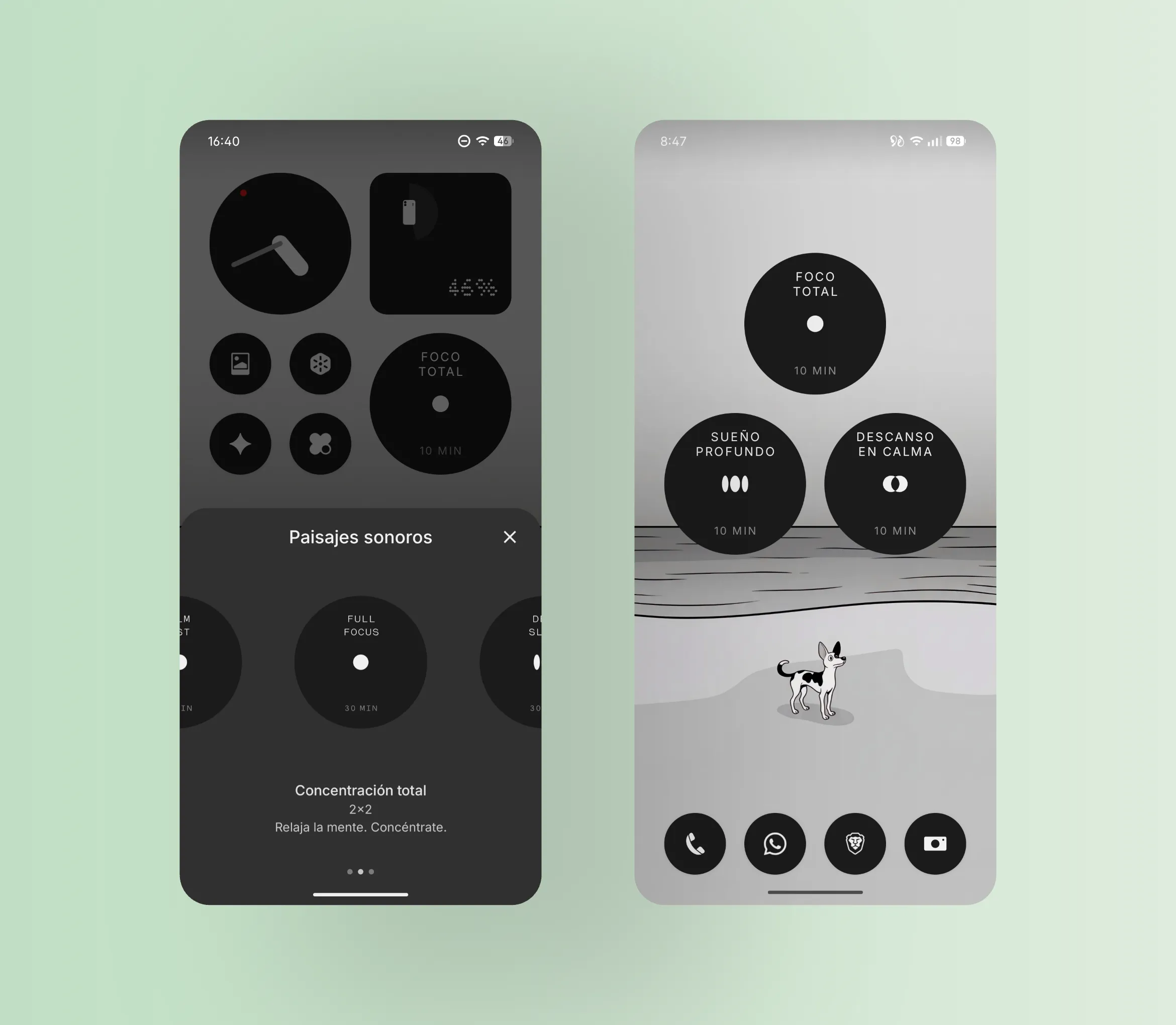
The phone comes with all the new features of Nothing OS 4.1, based on Android 16, enhancing the user experience with several new software features and creative tools. The system debuts the "Soundscapes" widget, which generates personalized audio environments with options like "deep sleep" or "calm rest" to facilitate relaxation.
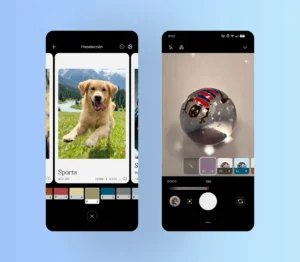
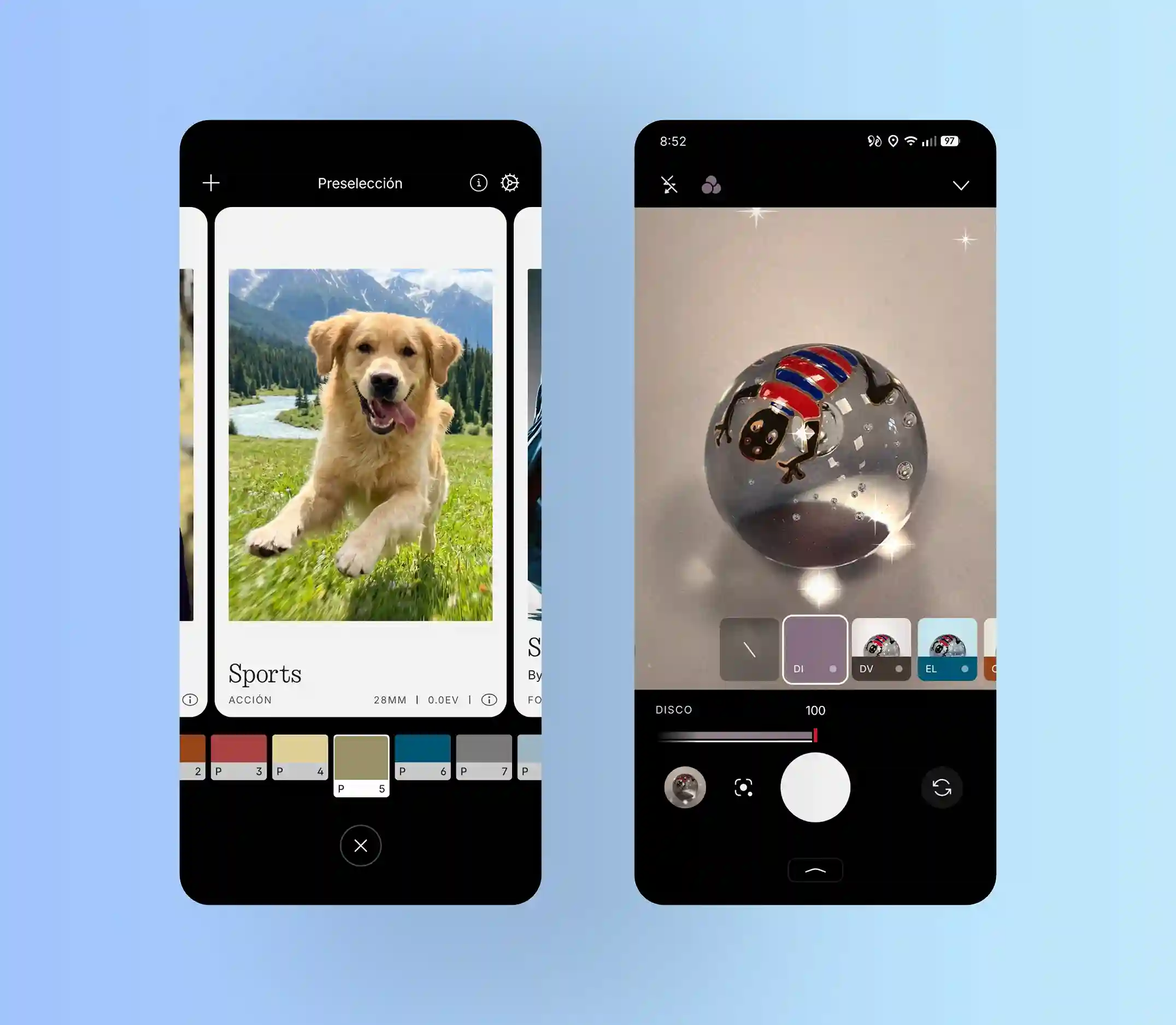
In the photography section, the brand introduces the exclusive Disco and DV filters, in addition to expanding the preset catalog with a specific action mode called "Sports" to capture moving objects with greater clarity.
The function of dual recording It stands out particularly because it allows simultaneous recording with the front and rear cameras. Finally, the device integrates all the Essential AI tools, such as Essential Space to organize content and access Nothing Playground to explore community-created applications.
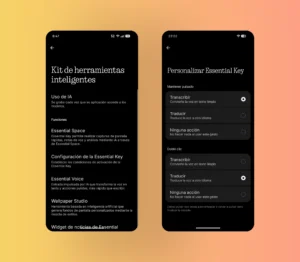
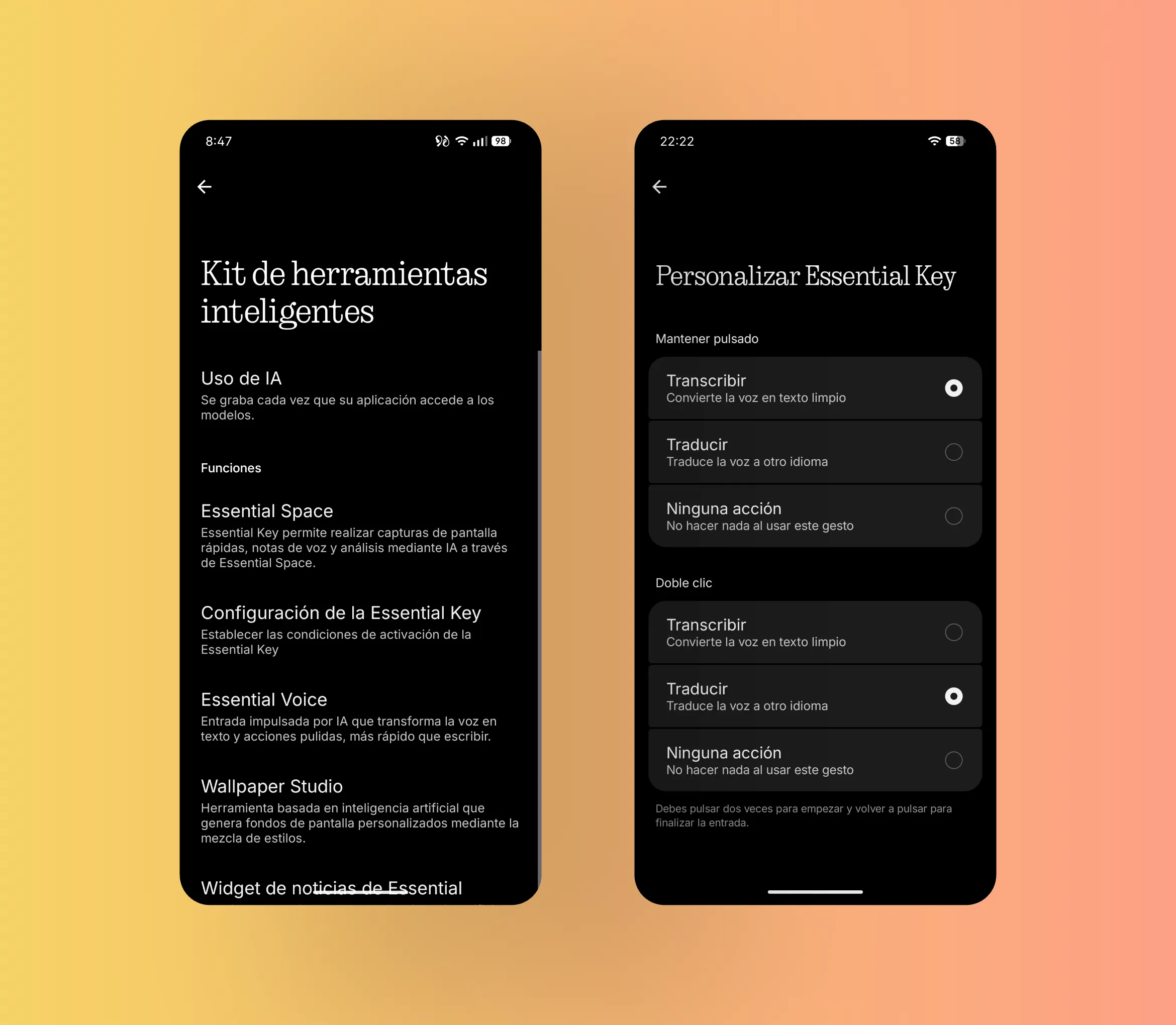
Essential Voice it's also available, and I've noticed a new feature: you can customize the function of the Essential Key in this section, choosing whether it transcribe or translate depending on whether you double-tap or hold down the button.
A balanced entry point with sacrifices
The Nothing Phone (4b) arrives as a differentiated design option for the entry-level range with noteworthy software support for its category: it offers 3 years of updates The system comes with 6 years of security patches. Its operating system, speakers, main sensor, and high-capacity battery are among its clear strengths. However, users should be aware that the reductions in RAM speed, due to the current economic situation regarding components, negatively impact raw performance, which could suffer over time.
ADVERTISING
For the next few weeks, this will be my daily device, for work, chatting, taking photos, managing social media, and even playing the occasional game. Will its specs be enough to handle my daily needs? You'll be able to read my review soon, stay tuned to my X profile.



Leave a Reply