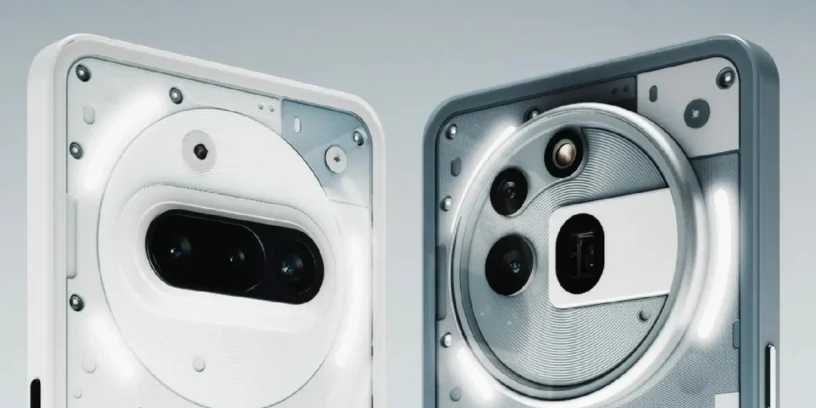
Recently, Nothing has published an article on their website explaining the decision to include UFS 2.2 in it Phone (3a) instead of a faster standard like UFS 3.1. What does Nothing have to say about this? The company has argued that it's not about cutting costs, but rather a strategy to optimize the user experience where it really matters.
The truth about UFS 2.2 on the iPhone (3a): real performance vs. speculation
When it comes to building a smartphone, finding the balance between performance, cost, and user experience It's essential. It's not about offering the best in every aspect without considering the impact on the final price, but about prioritizing the features that truly make a difference in daily use. This is the case with the Nothing Phone (3a) and their decision to integrate UFS 2.2 instead of a more advanced standard like UFS 3.1.
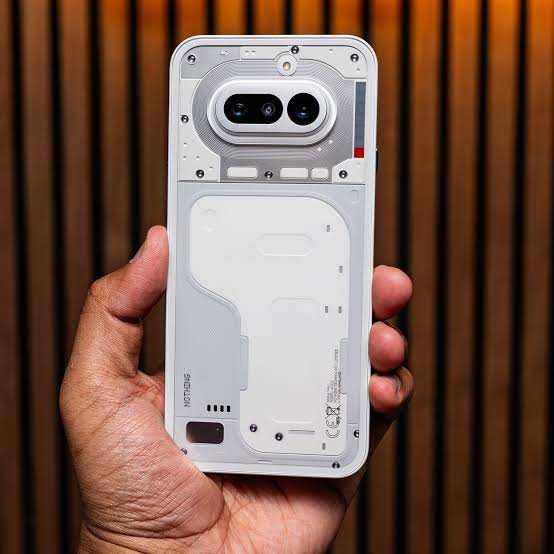
UFS 2.2 is not a cost-cutting measure, but a strategic decision
When talking about storage, it's easy to fall into the numbers trap. UFS 3.1 has a higher number than UFS 2.2, so it should be better, right? On paper, yes. But in practice, the difference is minimal in most cases. smartphone performance It doesn't depend solely on storage speed, but on a combination of RAM, CPU and software optimization. That's where it comes into play Nothing OS, Designed to offer a smooth and fast experience, compensating for any theoretical differences in storage speed.
Is there a noticeable difference between UFS 2.2 and UFS 3.1 in everyday use?
For most tasks like browsing the internet, sending messages, or social media, The difference between UFS 2.2 and UFS 3.1 is practically imperceptible. Applications open almost simultaneously, and except for very specific tasks such as install heavy games or transfer large files, UFS 3.1 does not provide a significant improvement in the real-world experience.
Read and write speeds: real context
Storage performance is measured in sequential read/write (transferring data in bulk) and random read/write (access to scattered fragments of information). Random speed is key in everyday life, as it influences Load applications, open games, and keep background processes running..


Thanks to the optimizations of Nothing OS, he Phone (3a) It maintains agile and fluid performance, making the differences with UFS 3.1 minimal in most scenarios.
Efficient system management and app loading
In addition to hardware, software optimization is key. Nothing OS uses Smart Clean, a system that Removes unnecessary temporary files and reorganizes stored data, This optimizes application access and loading speeds, ensuring a smooth multitasking experience and speeds comparable to devices with UFS 3.1.

What about gaming performance?
Many users think that faster storage means better performance in video games, But in reality, the frames per second and game stability They depend more on the processor and thermal management. Thanks to the combination of the Snapdragon 7s Gen 3 and Nothing OS, The Phone (3a) offers solid performance in demanding titles such as BGMI and Genshin Impact, without depending exclusively on storage speed.


Is UFS 2.2 future-proof enough?
One of the most common debates is the UFS 2.2's ability to remain relevant in the coming years. However, the reality is that the long-term performance of a smartphone depends not only on its storage, but also on... how hardware and software work together. With constant updates and optimizations in Nothing OS, The Phone (3a) will remain fluid and functional for years.
Furthermore, most modern applications are designed to adapt to different hardware configurations, This means that the use of UFS 2.2 will not be a limitation in the near future.
Balance is key
According to Nohting, the decision to opt for UFS 2.2 in the Nothing Phone (3a) It wasn't a sacrifice, but a well-calculated choice to balance performance, cost, and real-world experience. Instead of focusing on marketing figures, Nothing has put its effort into optimizing the software and ensuring a smooth user experience, which is what really matters.
In short, given the supposedly negligible difference between UFS 2.2 and 3.1, Nothing preferred not to increase the price or improve other aspects of the phone without further raising the final cost. What do you think? Let me know in the comments!



Leave a Reply