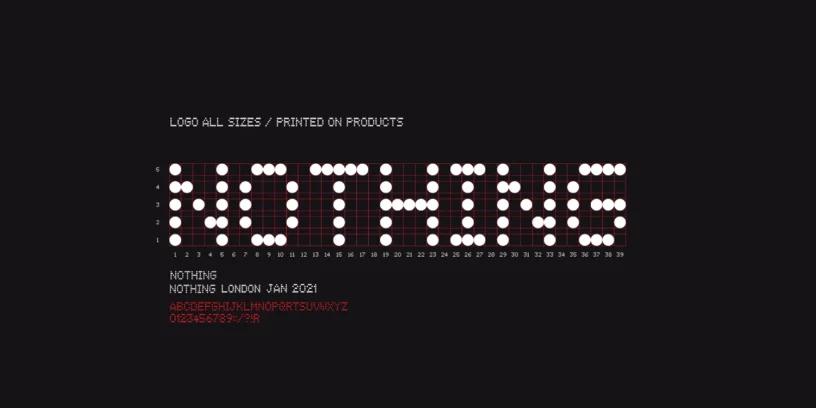


Since its founding in 2020 by Carl Pei, Nothing has presented itself as a different, provocative brand with a minimalist philosophy that breaks with the traditional norms of the technology sector. A few weeks ago I told you about What lies behind the transparencies of their devices. Today I ask myself another question that continues to generate curiosity among both fans and detractors: Why is it called "Nothing"? What's the point of naming a technology company that? And how does that name impact its products, strategy, and future?
The origin of the name "Nothing"«
According to himself Carl Pei, The name "Nothing" emerged as a declaration of intent. In a world saturated with technology that competes for our attention every second, their goal was to create products that did not interfere with the user's life, but rather that they be integrated naturally. "We want technology to disappear, to remain in the background, to be like nothing," he said in one of his first interviews.

This concept is deeply rooted in the minimalism, both visually and functionally. The name "Nothing" is not just a provocative marketing exercise; It's a philosophy which aims to differentiate itself from the overloaded and complex approach of other brands. By choosing this name, they seek to represent the idea of absence of noise, distraction, visual or functional saturation.
Is this a response to other companies like Apple or Samsung?
In a way, yes. While brands like Apple They opt for closed ecosystems and an increasingly uniform aesthetic, or Samsung While some companies launch devices with an endless list of features and variations, Nothing proposes a contrary idea: less is more.
Nothing is a brand that, instead of shouting "innovation" in its staging, decides to sprout "identity" from all sides. It moves away from market noise and the obsession with specifications to focus on design, experience, and visual and functional consistency. And that starts with the name.
How is "Nothing" reflected in their products?
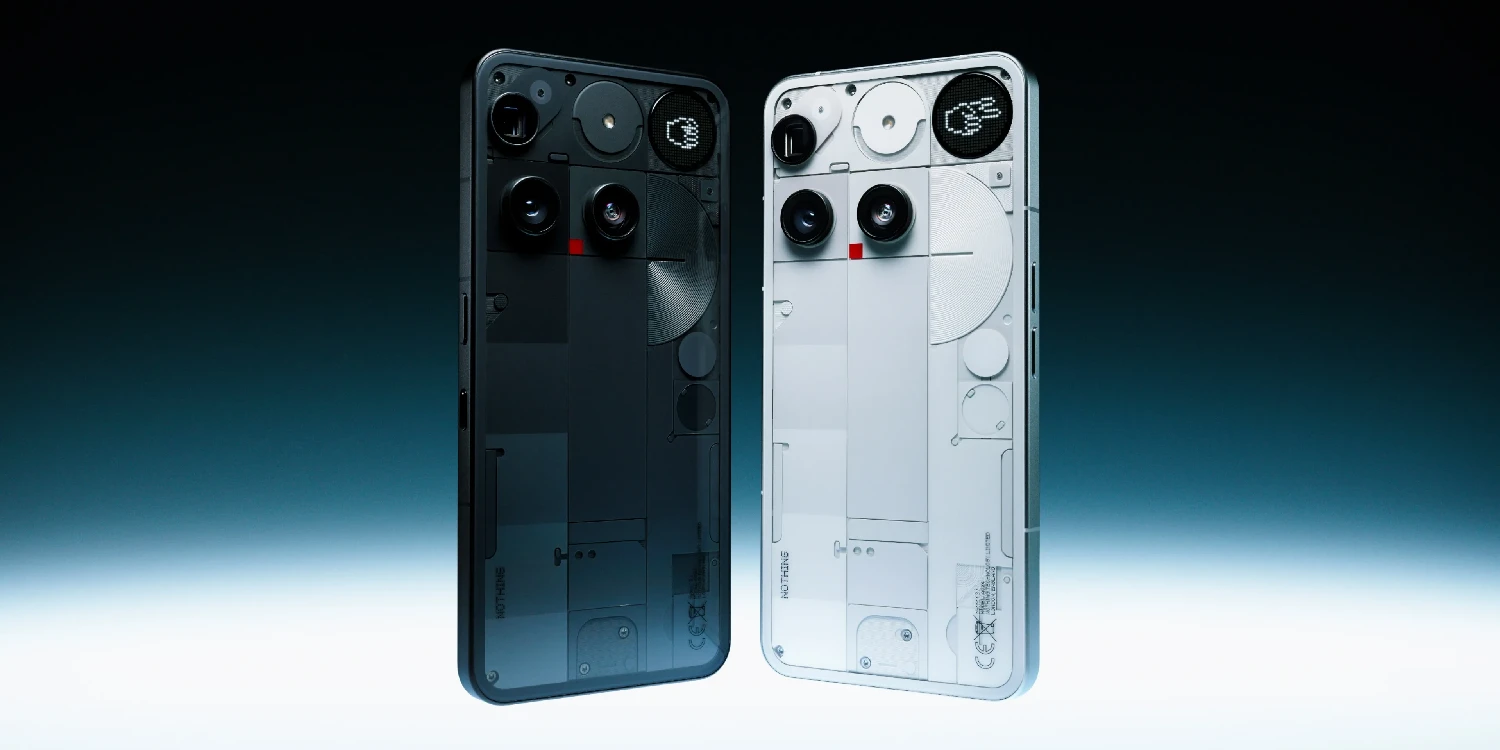
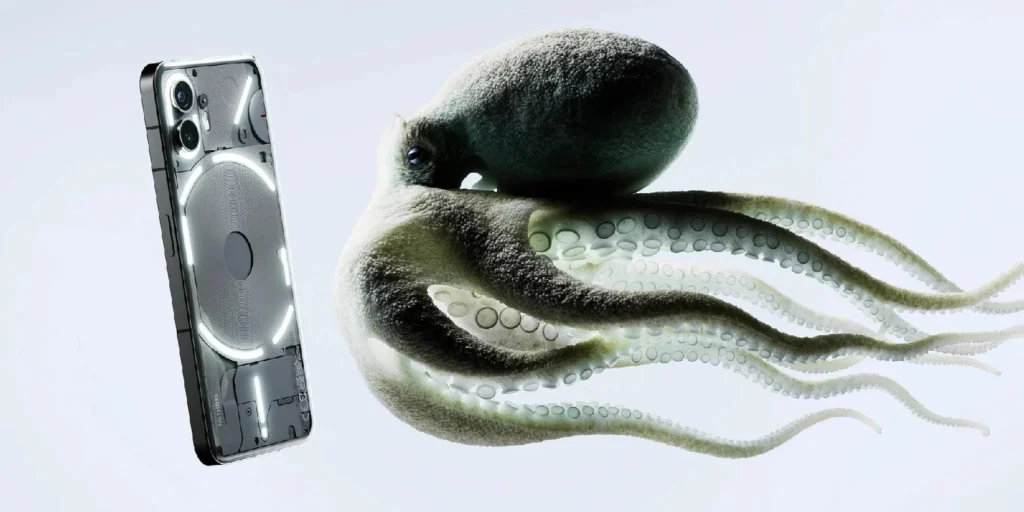
While we won't delve into their specifications, it's worth noting how the name translates into the design and philosophy of their products. From the transparent Nothing Ear (1) until the Nothing Phone (3a) With their Glyph interface, they all share a clean, almost ethereal visual approach that fits with the idea of "nothing.".
Transparency in their products is not just an aesthetic issue. It's a visual metaphor for what the brand wants to communicate: honest products, without artifice, without hiding what they are. A way of showing that Nothing doesn't pretend to be more than it is, nor to cover up its essence with unnecessary layers.
Is it a risky name or a stroke of genius?
Both. Being called Nothing in a world where brands struggle to differentiate themselves and be recognizable might seem like a contradiction. How do you build a strong brand identity by literally calling yourself "Nothing"? How do you convince someone to buy a "Nothing mobile phone" or "Nothing headphones"?
And beyond that, It may sound ridiculous. Some see it as a joke, something irrelevant or insignificant. A name like that could have remained a passing jest, something bland, soulless. But The merit lies in how they have managed to give it meaning and solidity over time. Branding, product design, communication, and above all, consistency have transformed that once risky name into a synonym for a unique identity.

In fact, Carl Pei himself revealed in an interview that The name "Nothing" came up during a conversation with her younger sister. While discussing potential names for the company, such as "Stone" or "Next," his sister considered them tacky or even embarrassing. It was then that Pei suggested "Nothing," and received his sister's approval. This moment was key in deciding on the brand name.
They have transformed something seemingly weak into a strong statement, Just like Apple did back in the day. Nobody thought a computer brand with a fruit name would become the most influential company in the world. Something similar has happened with Nothing, albeit on a smaller scale: what seemed irrelevant, now makes the difference. That's the key to good branding: to transform a simple or even absurd idea into a solid, professional, and recognizable image in the long term.
The name generates intrigue, curiosity, and conversation. It is memorable precisely because of its contradiction. And even more so in an industry where saturation is the norm, Nothing stands out not only for what it is, but for what it is. doesn't want to be.
Is there any precedent for this type of naming?
Yes, but not so literally. Brands like Google o Apple They've already proven that you don't need to call yourself a "TechCorp" to succeed in technology. Minimalism and breaking with tradition are nothing new.
However, Nothing takes that philosophy to the extreme., adopting a word that represents emptiness, absence. That's unusual and risky. Some people even interpret it as mockery or a lack of ambition. But Carl Pei has been clear: his goal is not to flood the market with more technology, but reinvent the user's relationship with it.
How might that name affect things in the long run?
This is where the name can work both for and against you. On the one hand, minimalist branding has potential if it remains consistent and doesn't stray from its core principles. But there's also a limit. As the company grows, adds products, expands categories… How do you maintain the consistency of "Nothing" when you have a complete ecosystem?
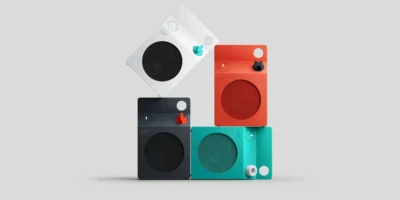
We are already seeing signs of expansion with the CMF by Nothing, These are more affordable products, but sold under a different sub-brand. This suggests that even Nothing itself understands that the concept has its limits and that not everything can fall under that umbrella.

In the long run, if they don't maintain that philosophy, the name could become a liability rather than an asset. The brand will need to... continue to communicate your reasoning effectively, so that it doesn't remain a mere naming curiosity.
A name that is anything but nothing
Nothing isn't called that by chance. The name encapsulates its commitment to minimalism, transparency, and disruption in a stagnant sector. It may seem contradictory, even absurd, but It's one of their greatest branding successes.. It sparks conversation, builds brand image, and gives it a clearly differentiated approach compared to the rest of the market.
However, their future success will depend on that philosophy not being diluted. Because if "Nothing" starts to resemble everything else, then its name will no longer make sense.



Leave a Reply