In a world where we receive hundreds of digital stimuli daily, the Phone (1) Nothing wasn't born just to be different, but to be functional. The premise of the Glyph interface It has always been clear: to allow us to take a break from the screen by filtering out unnecessary noise. Its main purpose is that only the really important notifications manage to capture our attention, allowing us to ignore the rest without the fear of missing something vital. With the announcement of Phone (4a), This philosophy of "notifying with intention" reaches its point of greatest technical maturity.
The path from the Phone glyphs (1) to the LED matrix
When Nothing launched its first device, the five rear LED strips were a statement of intent. It was proof that hardware could help us reduce screen time. With the Phone (2), The fragmentation of the strips allowed for more dynamic functions like Glyph Progress, but the definitive leap came with the Phone (3) and his Glyph Matrix.
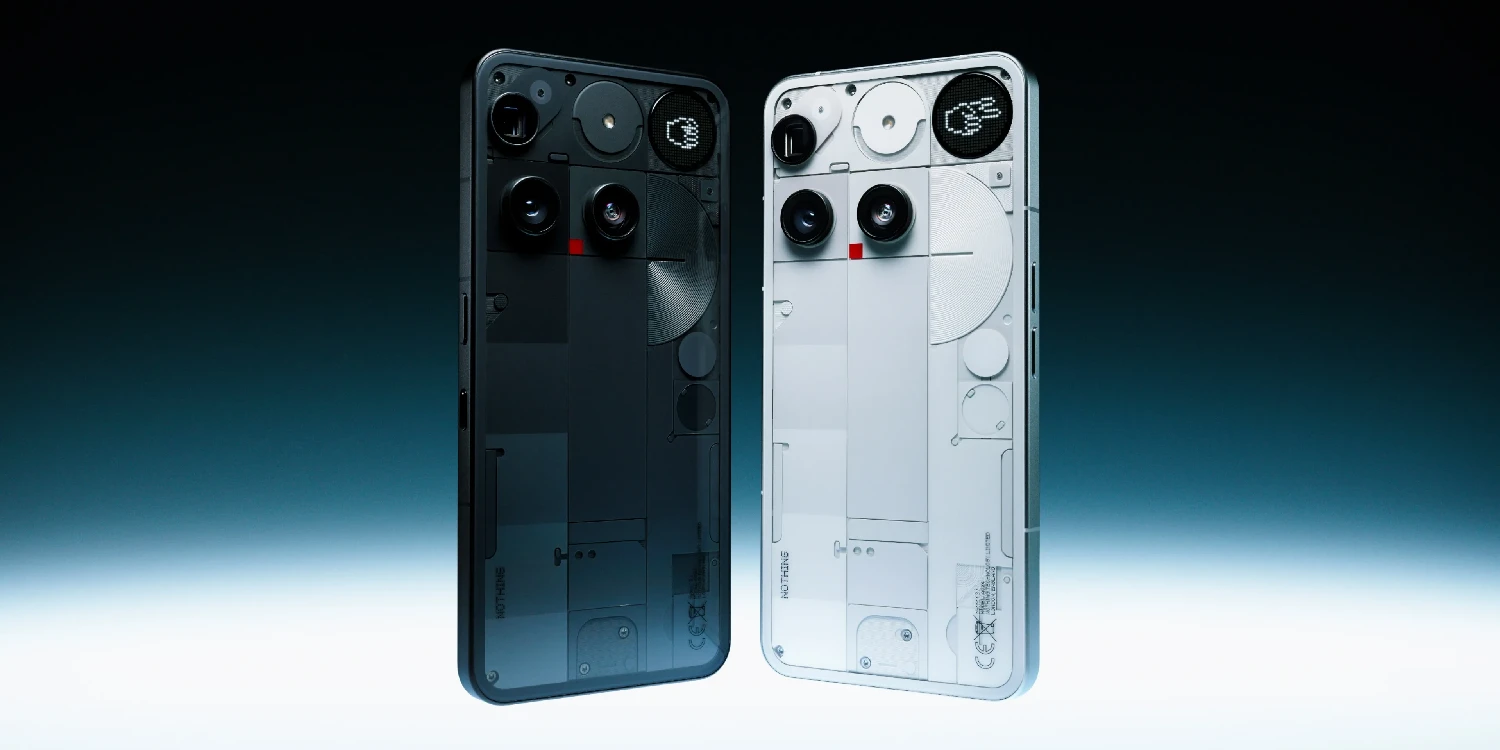
By introducing an array of 489 mini-LEDs, the brand changed the game. It was no longer just about flashing patterns you had to memorize; now the phone projected symbols, timer numbers, and battery percentages. From my perspective, this was the turning point where Nothing stopped emitting simple signals and began communicating tangible data through light. Seeing a lit heart and knowing it's my wife calling, Without touching the screen, it is the pinnacle of that analog and human interaction they seek.
ADVERTISING
The efficiency of the Phone (4a) and the new Glyph Bar
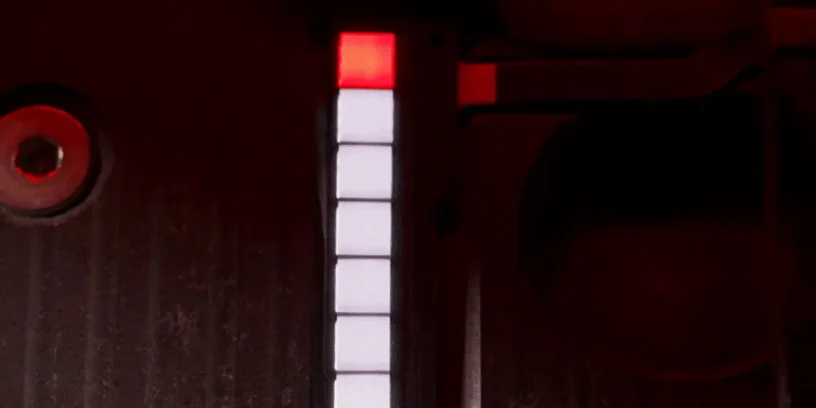
The announcement of Phone (4a) It introduces a change of direction towards synthesis. The new Glyph Bar It moves away from massive complexity to focus on a cleaner, sharper information output. It consists of six square lights (seven if you count the red recording light), each with nine individually controllable mini-LEDs, reducing visual distraction without sacrificing informational power.
The most noteworthy aspect of this evolution is the pursuit of technical quality. This new bar is a 40% brighter than the previous (a) series and features patented technology to prevent light bleed. It's a bold move: less illuminated surface, but with much greater precision. For me, it's proof that Nothing has understood that we don't need more lights, but better signals to know when it's time to look at our phones and when we can continue enjoying the real world.
ADVERTISING
On March 5th we will discover the next step
The Glyph interface remains the ultimate tool against endless scrolling. With the Phone (4a), the brand seems to have found the perfect balance between minimalist design and real-world usability. We'll learn much more about how these points of light will manage our digital lives next. March 5 at 10:30 GMT.



Leave a Reply