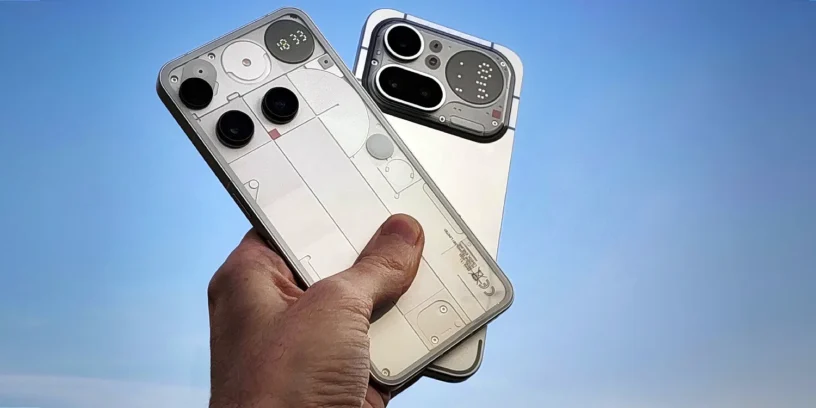

After weeks alternating between the Nothing Phone (3) and the new Nothing Phone (4a) Pro, choosing which model to buy isn't as simple as looking at a specifications sheet. We're dealing with two philosophies that, although they share the brand's DNA, aim to win over users with different priorities. In this article, I want to break down my personal reasons for choosing one or the other based on my actual experience of using them and the technical data that defines them.
Design and ergonomics: conflicting sensations
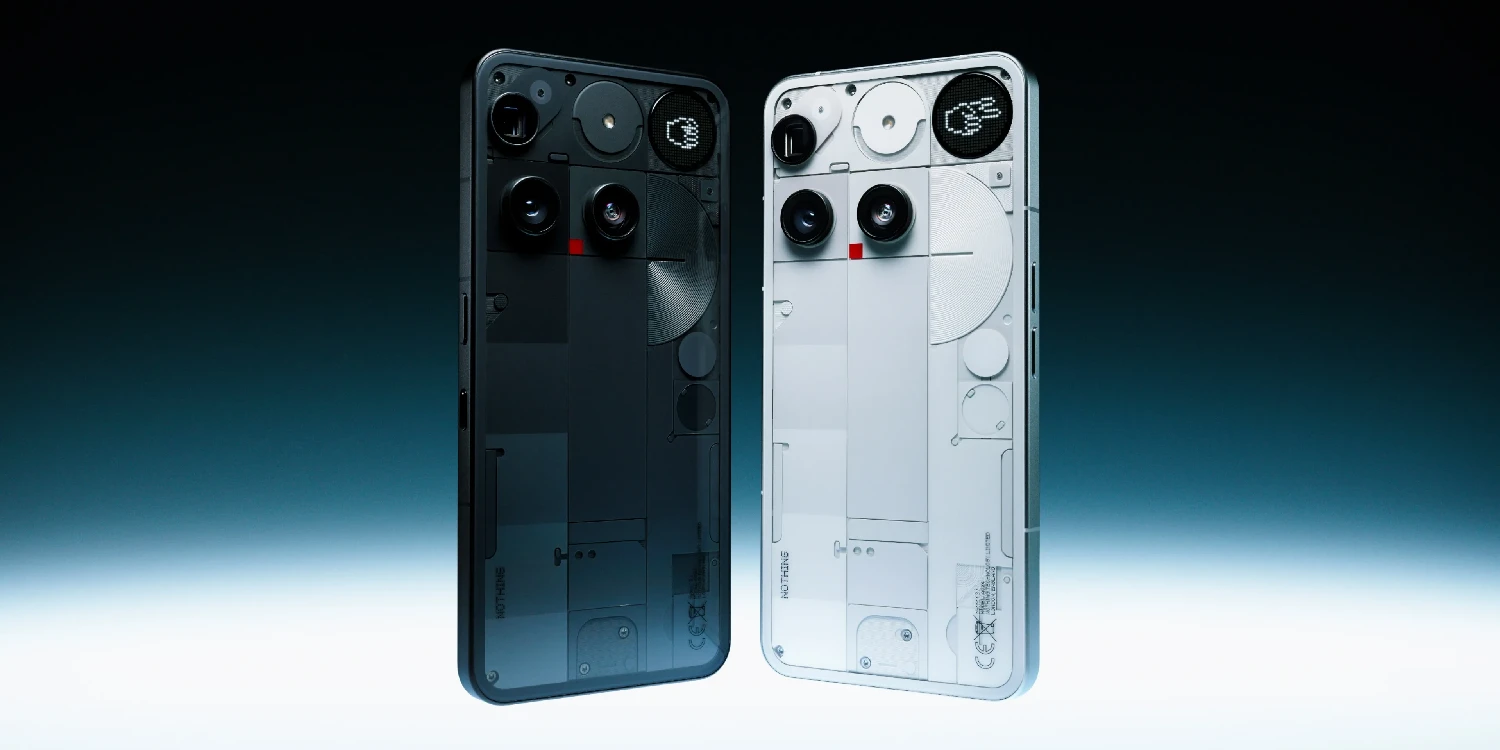
In terms of aesthetics, personal taste reigns supreme, but there are nuances that go beyond the visual. The Phone (3) feels like a more purely Nothing product; its design has improved over time and conveys a slightly more premium feel. However, there's an ergonomic trade-off: while it's more compact than the iPhone (4a) Pro, it's also slightly thicker and heavier. Furthermore, its cameras protrude enough to make putting it in or taking it out of your pocket a bit less smooth.
Are you interested in learning more about the Phone (3)?
Read my review here
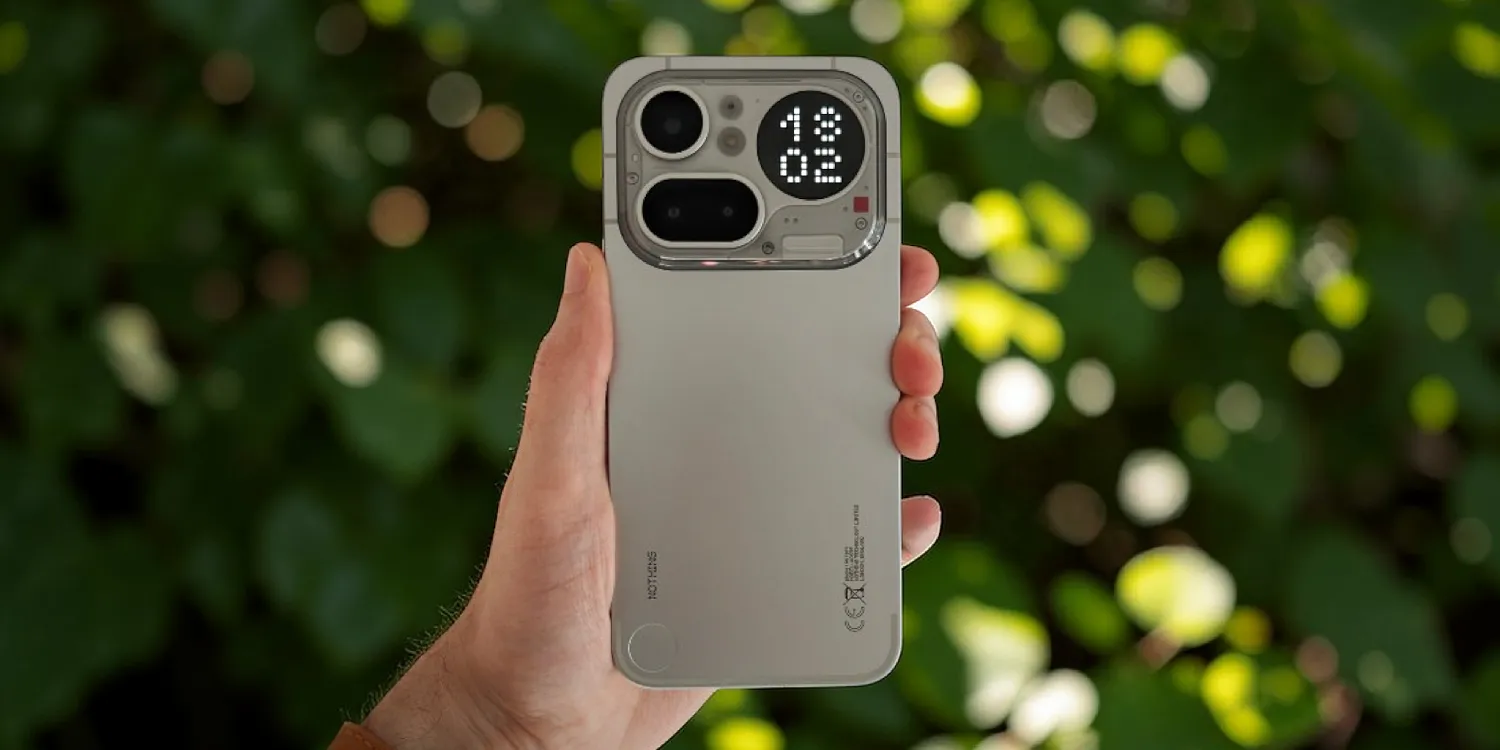
On the flip side, the Phone (4a) Pro opts for a more subdued and mature aluminum unibody. It's ideal for those seeking the essence of the brand without such a disruptive design. One detail that makes a difference in everyday use is the button layout: the 4a Pro has the Essential Key alone on the left, which prevents accidental presses, whereas on the Phone (3) it's located on the right, right below the power button. Personally, I prefer the button layout of the Phone 4a Pro.
Screen: brightness and calibration
If we're talking numbers, the Phone (4a) Pro really shines with its 5,000 nits peak brightness. Outdoors, in direct sunlight, this visibility advantage over the iPhone 3 is noticeable. But what has impressed me most is the panel's stability. Currently, the 4a Pro reproduces colors better and offers more accurate blacks at low brightness levels.
Currently, the Nothing Phone (3) is experiencing some calibration issues, with visible green tints when using the fingerprint sensor or at minimum brightness. Nothing will likely iron them out via software, but for now, the visual experience is more mature and balanced on the 4a Pro.
Power and performance: there's no comparison.
If you're a user looking for maximum raw performance, there's no question about it. The Nothing Phone (3) is noticeably superior in terms of power. While both devices are more than adequate for everyday use by most people, if your priority is playing demanding games or performing heavy tasks smoothly, the flagship model is the only logical choice.
Cameras: the eternal struggle with post-processing
In photography, the competition is fierce. I've been pleasantly surprised by how the main sensor and telephoto lens on the Phone (4a) Pro handle HDR and colorimetry; I find its current processing more natural. However, there is one scenario where the Phone (3) blows its sibling out of the water: the ultrawide. Going from a 50MP sensor to an 8MP sensor in the (4a) Pro is a noticeable sacrifice if you frequently use this lens.
Regarding zoom, the 4a Pro does a better job than the Phone (3) by using AI, but it's still artificial processing. The Phone (3) still feels more versatile overall, although it urgently needs an update to improve certain post-processing decisions.
Are you interested in learning more about the Phone (4a) Pro?
Read my review here
Audio and wireless charging: the sacrifices
The switch to a unibody design in the Phone (4a) Pro has taken its toll on the audio. The bass feels a bit more "canned," and turning up the volume creates a residual vibration on the screen that might be annoying for the more picky users. In this regard, the Phone (3) offers a sound with more body and maturity.
ADVERTISING
In terms of battery life, both can easily handle a busy day. The key difference is wireless charging: the Phone (3) has it, but the (4a) Pro doesn't. If you're someone who has charging docks all over the house, this detail is crucial.
Glyph Matrix: Resolution or visibility?
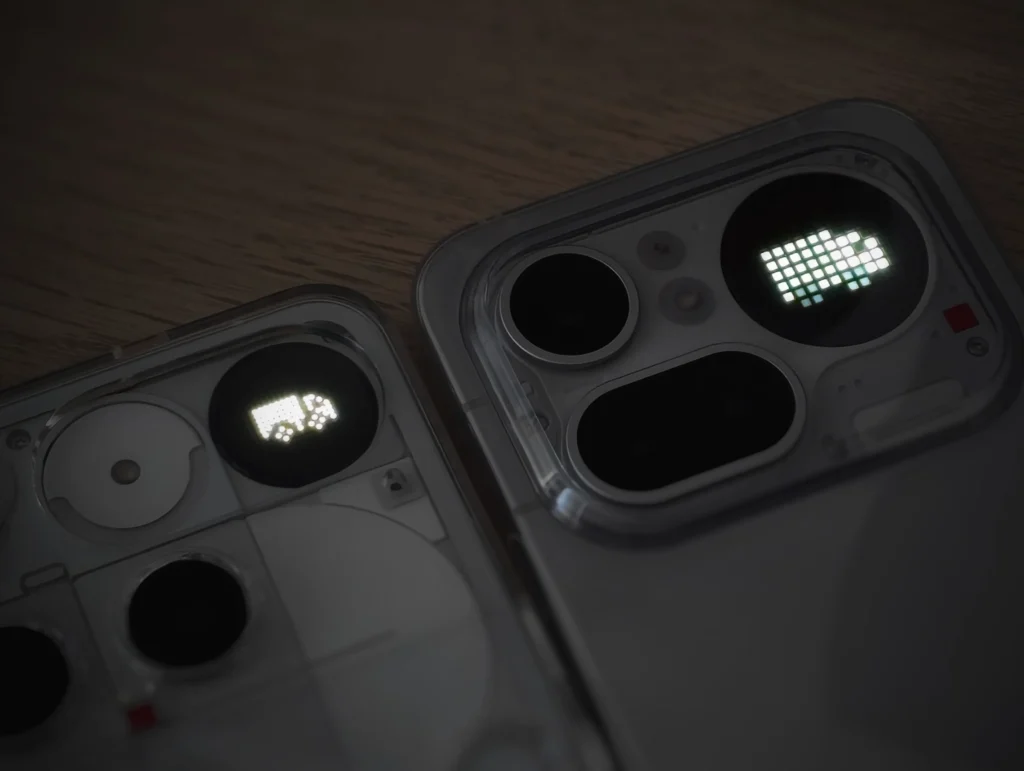
The Glyph Matrix on the 4a Pro is brighter and larger, making it easier to see notifications out of the corner of your eye. However, I prefer the one on the Phone (3). It's more discreet, detailed thanks to its higher resolution, and above all, it has a physical rear button that allows you to actively interact with the tools and "toys," something that in the 4a Pro is limited to AOD mode.
System updates: the key to longevity
This is perhaps the most important point for many. The Phone (3) offers 5 years of system updates compared to the 3 years of the Phone (4a) Pro. Ironically, although the 4a Pro is newer, its lifespan in terms of software updates will end a year earlier than that of the Phone (3). If you plan to keep the phone long-term, this is a crucial point.
ADVERTISING
Conclusion: Which one to choose?
If you're looking for raw power, a quality wide-angle camera, wireless charging, or the best software support, the Nothing Phone (3) is still king. Conversely, if you prefer a lighter, more understated design, a screen with superior brightness, and more refined color reproduction (sacrificing power and extras), the Phone (4a) Pro is a very smart buy at a slightly lower price.
My most honest opinion? If I had to choose one, although I think both are great devices, as of today I would go for the Nothing Phone (3). As you've seen in this comparison, it also has its weaknesses, but it's clear that it's currently Nothing's flagship phone. While it's not the best in absolutely every aspect compared to the Phone (4a) Pro, I find it slightly more complete and premium. And you, which one would you choose? Let me know in the comments.

Leave a Reply