
We are living through a strange technological moment. On the one hand, we see constant releases and relentless innovation, especially in the field of artificial intelligence. On the other, there is a silent crisis that most ordinary users are unaware of, but which will directly impact (and is already impacting) our wallets and the quality of the phones we buy in the near future: the price of RAM.
If you're not very involved in the components sector, let me tell you that we're experiencing a brutal increase in memory costs. In the last year, the price of RAM has practically doubled. But the worst is yet to come. Recent reports from analysis firms like Jefferies detail that prices will continue to rise sharply in the coming months, and giants like Microsoft have already sounded the alarm after being forced to raise the price of their Xbox consoles. The Redmond-based company itself has warned that it anticipates another doubling of memory costs by autumn 2027, driven by AI data centers, which absorb almost all global production. This is an unavoidable reality that will inevitably be reflected in the next smartphones to hit the market.
Carl Pei's warning and the two options from the brands
This isn't cheap alarmism; it's pure economies of scale. Carl Pei himself alluded to this a few months ago with a phrase that perfectly sums up the current situation: "The best time to buy a mobile phone was yesterday, and the second best time is today." Current prices may seem high, but the outlook is for them to rise, much higher.
ADVERTISING
Faced with these rising manufacturing costs, tech brands only have two viable paths. The first is to maintain current prices by cutting corners on other features. In other words, we could see phones in 2027 that seemingly maintain the quality level of their predecessor, but if you compare component by component, they might reduce the quality of the screen, the speakers, or use less premium construction materials to offset the cost of the RAM. The second option is simply to drastically increase the final price of the device.
The current price paradox: Nothing Phone (3) versus Nothing Phone (4b)
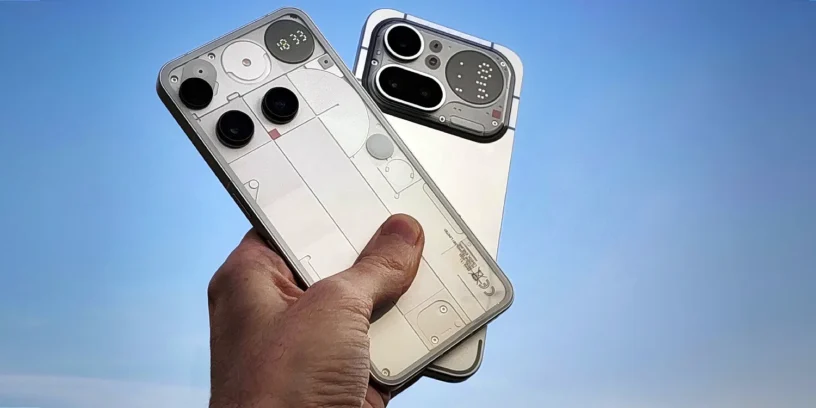
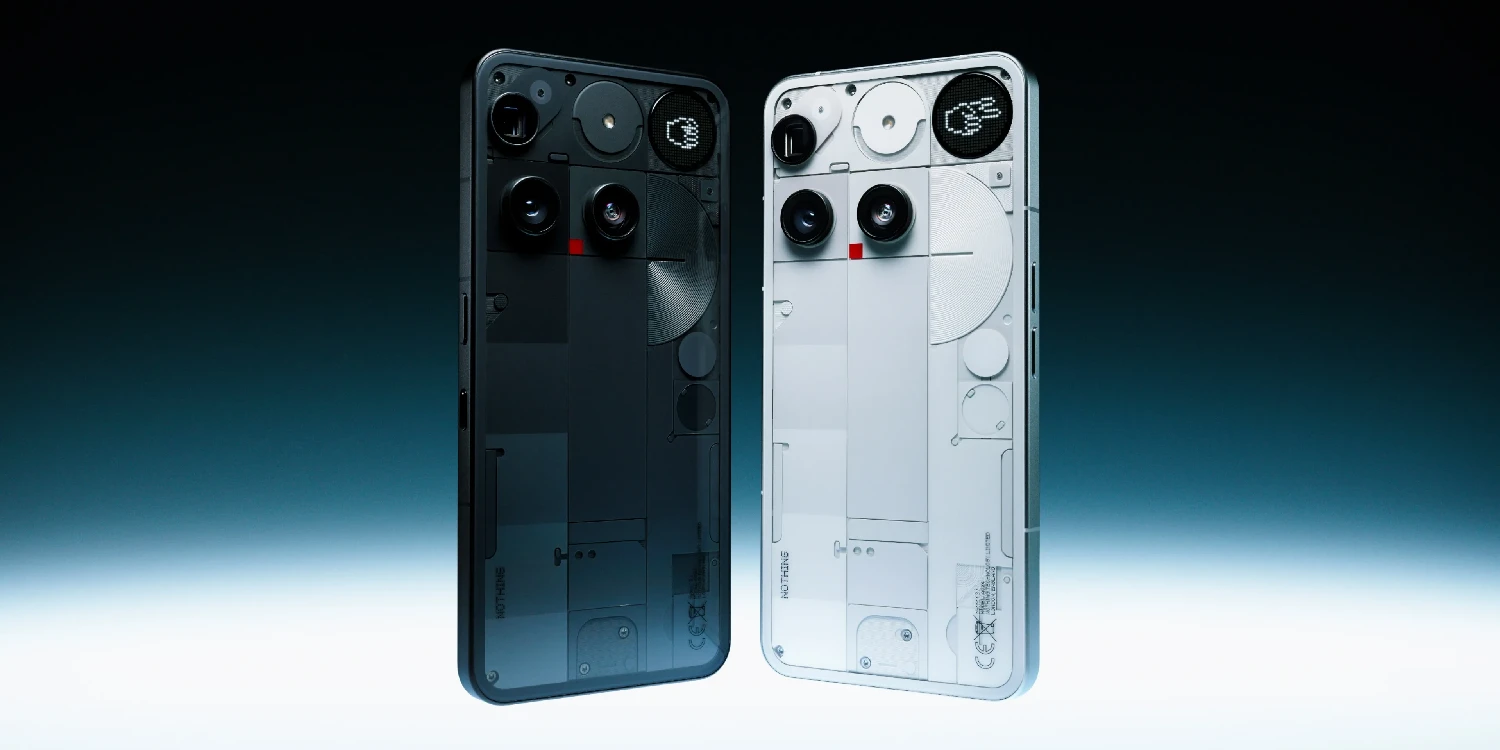
Looking at Nothing's current catalog, the situation presents a golden opportunity that is unlikely to be repeated. Right now, it's common to find the brand's flagship product, the Nothing Phone (3)with some very good deals that bring it down to around €500. We're talking about a mid-to-high-range phone that is, by far, the best the company has ever made in terms of power, cameras, and build quality.
📱Read Nothing Phone review (3) – Click here
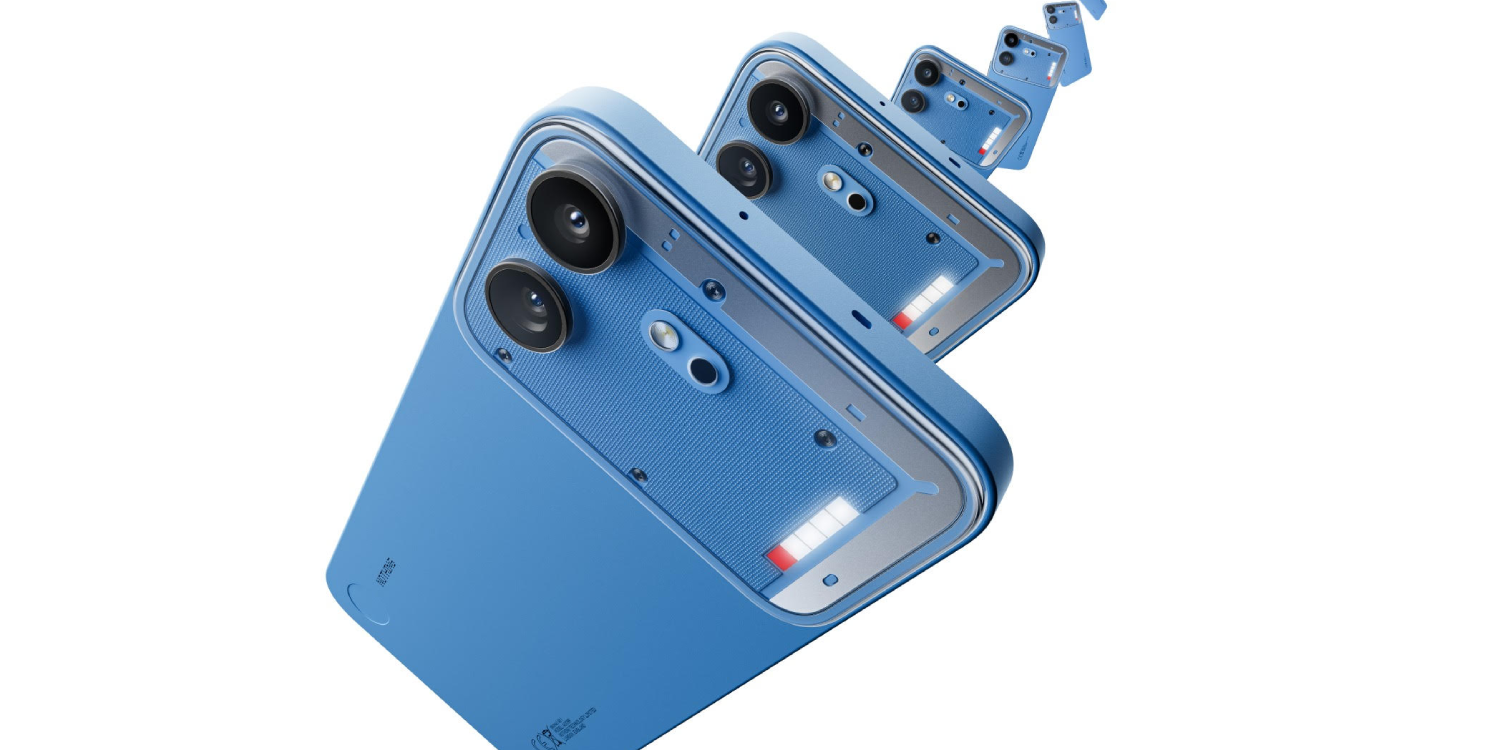
On the other hand, Nothing has just officially announced the new Nothing Phone (4b), a phone that, let's remember, is an entry-level model, with a starting price of €320. If we do the math, the difference between this entry-level phone and Nothing's current flagship is a mere €180 (or even less if you snag a good discount on the model with less storage). For such a small price difference, the leap in performance and user experience is enormous.
The sweet refuge of the mid-range: between 300 and 400 euros
However, if your budget is tighter but you still want a well-rounded phone before prices go crazy, Nothing has a spectacular mid-range catalog that makes it a very smart choice right now.
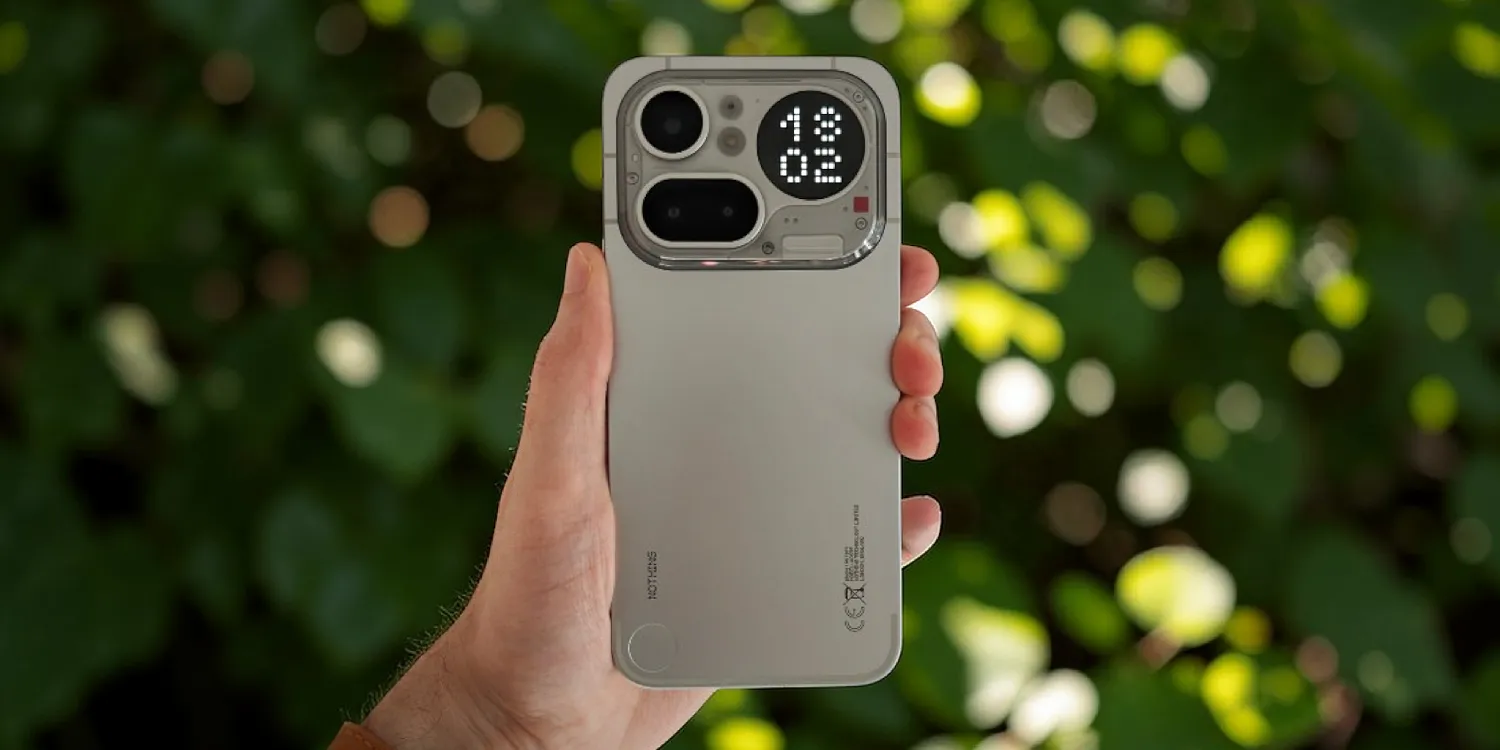
📱Read Nothing Phone (4a) Pro review – Click here
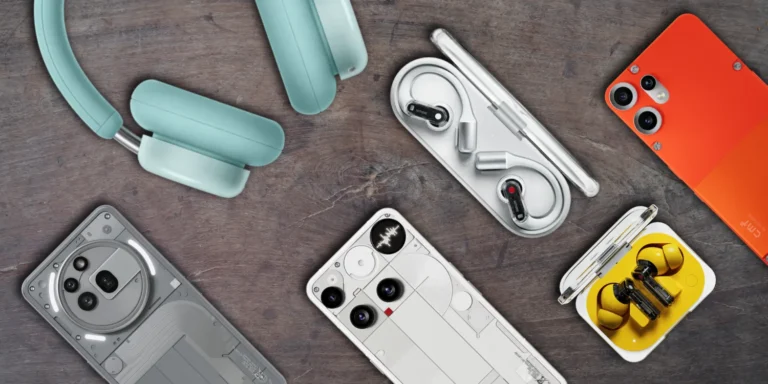
Models like the Nothing Phone (4a), he Nothing Phone (4a) Pro or even the Nothing Phone (3a) Pro are fantastic alternatives if you're looking to spend between 300 and 400 euros. These devices offer that perfect balance so characteristic of the brand: a unique design, good everyday performance, and clean software, without needing to make the financial leap to the flagship model, but ensuring you have very capable hardware at a more reasonable price.
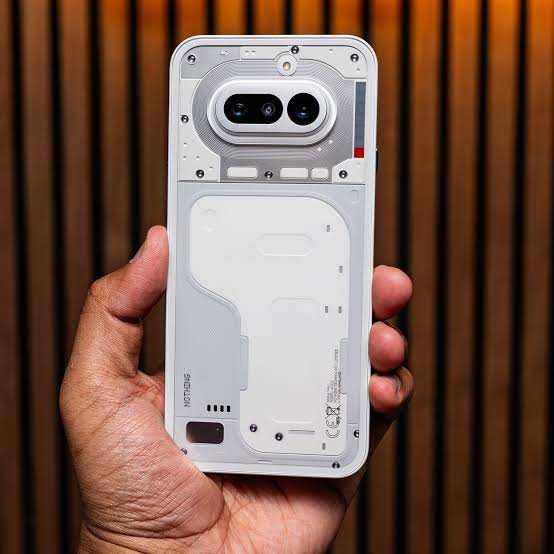
📱Read Nothing Phone (4a) review – Click here
My opinion: the opportunity is in the present
Honestly, my recommendation is that if you're thinking about upgrading your phone, do it now. It might sound alarmist, but it's the absolute truth, not clickbait, folks. Buying a current high-end or mid-range phone at a discounted price is the smartest move before the component price crisis hits the next generation.
ADVERTISING
If Nothing wants to launch a hypothetical Nothing Phone (4) in the future that surpasses the current model and also has to absorb the exorbitant RAM costs of the coming years, it's very likely that the starting price will dangerously approach four figures, settling around €1000. The window of opportunity to acquire premium technology at a fair price is closing, and the time to seize it is right now.



Leave a Reply